







What's Happening?
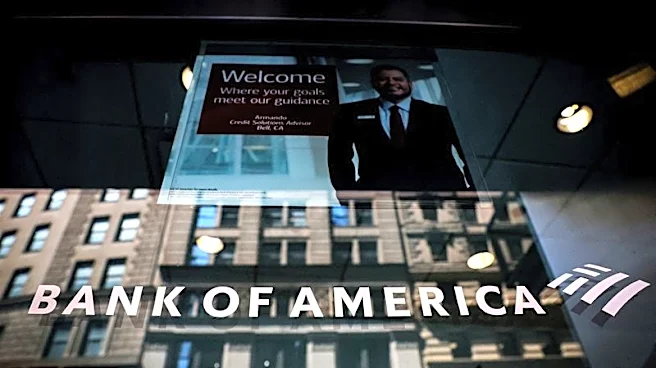
A federal judge has approved a $72.5 million settlement between Bank of America and victims of Jeffrey Epstein. The women, identified as Jane Doe plaintiffs, accused Bank of America of overlooking suspicious transactions made by Epstein, who died by suicide
in 2019 while awaiting trial for sex trafficking. This settlement marks the third time a financial institution has publicly reached such an agreement with Epstein's victims, following similar resolutions with JPMorgan Chase and Deutsche Bank. Bank of America had previously sought to dismiss the case, arguing that the lawsuit attempted to 'radically expand liability for banks' for providing 'routine services to customers who at the time had no known connection to Epstein’s sex trafficking.' Despite agreeing to the settlement in March, Bank of America maintains that it did not facilitate Epstein’s sex trafficking crimes, stating that the resolution allows them to move past the matter and provides further closure for the plaintiffs.
Why It's Important?
This judicial approval of a significant settlement underscores the increasing scrutiny on financial institutions regarding their role in detecting and preventing illicit financial activities, particularly those linked to human trafficking. The case highlights the potential legal and reputational risks banks face if they are perceived to have ignored red flags in client transactions. For the victims, this settlement represents a step towards justice and financial restitution, acknowledging the harm they endured. It also sets a precedent for future cases, potentially encouraging other financial entities to enhance their due diligence and compliance measures to avoid similar liabilities. The banking sector will likely face continued pressure to implement more robust anti-money laundering and anti-trafficking protocols, impacting operational costs and regulatory compliance frameworks across the industry.
What's Next?
With the settlement approved, the $72.5 million will be distributed among the victims of Jeffrey Epstein who were part of the class-action lawsuit against Bank of America. This resolution may encourage other individuals who believe they were harmed by Epstein's financial network to pursue legal action against other entities that may have facilitated his activities. Financial institutions, particularly those that had dealings with Epstein, will likely continue to review and strengthen their internal compliance procedures to prevent future complicity in illegal activities. The legal landscape surrounding financial institutions' liability in cases of sex trafficking and other illicit activities is evolving, and this settlement could influence future legislative efforts or regulatory guidance aimed at increasing accountability within the financial sector.
Beyond the Headlines
The approval of this settlement extends beyond mere financial compensation; it delves into the ethical responsibilities of financial institutions in monitoring client activities. It raises profound questions about the balance between client privacy and a bank's obligation to identify and report suspicious transactions, especially when those transactions might be linked to heinous crimes like sex trafficking. The case also highlights the long-term societal impact of such crimes and the ongoing struggle for justice for victims. This outcome could contribute to a broader cultural shift within the financial industry, emphasizing a more proactive and socially conscious approach to banking practices, moving beyond purely transactional relationships to a greater awareness of the human impact of financial flows. It also reinforces the power of collective legal action in holding powerful institutions accountable.