







What's Happening?
Homeowners are faced with a decision between a freestanding TV stand and a custom-fitted media unit when furnishing their living spaces. A TV stand offers flexibility, allowing for easy rearrangement and mobility, and is suitable for simple setups with minimal
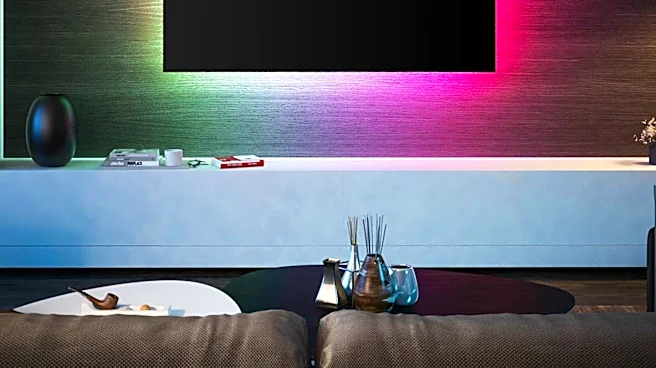
equipment. In contrast, a fitted media unit is custom-designed to a specific space, accommodating the television, sound equipment, cables, and other media components with precise dimensions. This option provides integrated storage and a cohesive design, ideal for those with multiple devices or a desire for a clutter-free aesthetic. A full media wall, a larger fitted option, combines the television with extensive built-in cupboards, shelving, and display space, suitable for rooms that can accommodate a substantial feature. The choice depends on individual needs, the amount of equipment, storage preferences, and the room's physical layout.
Why It's Important?
The decision between a TV stand and a fitted media unit significantly impacts the functionality, aesthetics, and perceived spaciousness of a living area in U.S. homes. For many, the living room is a central hub for entertainment and relaxation, making the organization of media equipment crucial. A well-chosen solution can enhance the viewing experience, reduce clutter, and integrate seamlessly with interior design. Conversely, a poor choice can lead to awkward gaps, blocked pathways, or an unorganized appearance. This choice also has financial implications, as custom-fitted units typically involve a higher investment due to bespoke design and installation. Understanding the pros and cons of each option allows consumers to make informed decisions that align with their lifestyle, budget, and long-term home improvement goals, ultimately affecting their daily living environment and home value.
What's Next?
Homeowners considering new media storage solutions are advised to carefully assess their current setup and future needs. This involves inventorying all equipment that requires housing, determining storage preferences (hidden vs. display), and evaluating physical access requirements for cables and devices. Room layout is a critical factor, ensuring the chosen furniture does not obstruct doorways, windows, or walking routes. For those opting for fitted units, planning for concealed cable routing and adequate ventilation for electronic equipment is essential. The trend suggests a move towards more integrated and customized home solutions, especially as technology evolves and home entertainment systems become more sophisticated. Manufacturers and interior designers will likely continue to offer a range of modular and bespoke options to meet diverse consumer demands, emphasizing both functionality and aesthetic appeal.
Beyond the Headlines
The choice of media furniture extends beyond mere utility, reflecting broader trends in home design and consumer behavior. The desire for a 'clutter-free look' and 'cohesive design' speaks to a growing preference for minimalist and organized living spaces, influenced by design aesthetics popularized on social media and home improvement shows. The integration of technology into furniture design also highlights the increasing role of smart homes and connected devices, where media units are no longer just for TVs but also for soundbars, gaming consoles, and streaming boxes. This evolution impacts how people interact with their living environments, fostering spaces that are both functional and visually appealing. Furthermore, the emphasis on custom solutions points to a consumer market that values personalization and tailored experiences, moving away from one-size-fits-all approaches in home furnishings.