


What's Happening?
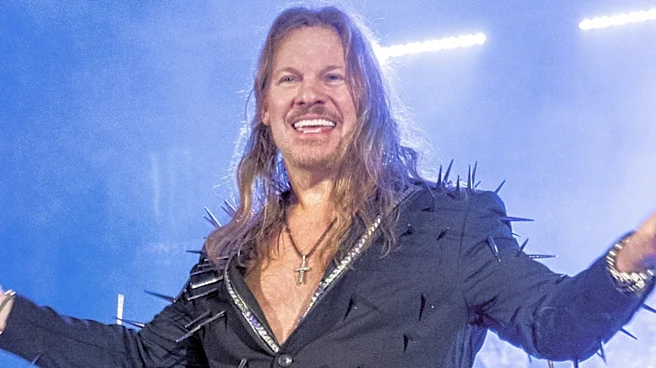
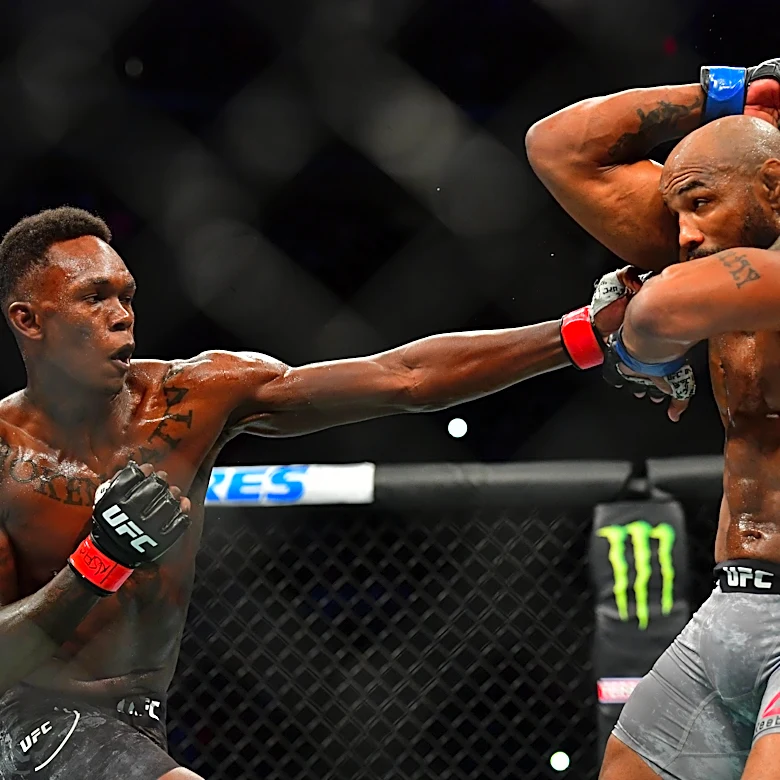
Chris Jericho, a prominent figure in All Elite Wrestling (AEW), has shed light on the working style of AEW President Tony Khan, describing him as demanding despite being less hands-on than Vince McMahon. Jericho recounted an instance where Khan insisted
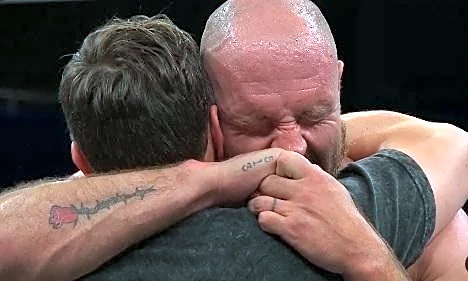
on a specific creative direction for a match involving Samoa Joe and himself, even when both wrestlers initially disagreed. Although they eventually found a way to incorporate Khan's vision, Jericho emphasized that Khan's desires ultimately dictate the creative process within AEW. This insight comes as AEW continues to establish itself as a significant competitor in the professional wrestling landscape, building its brand with a roster of notable wrestling talents.
Why It's Important?
This revelation offers a glimpse into the internal dynamics and creative control within AEW, a company that has positioned itself as an alternative to established wrestling promotions by offering more creative freedom and a lighter schedule to its talent. Jericho's comments suggest that while talent input is valued, the ultimate decision-making power rests with Tony Khan. This dynamic is crucial for understanding AEW's product development and its ability to maintain a distinct identity in the competitive wrestling market. The balance between creative freedom for wrestlers and the vision of the company's president can significantly impact talent satisfaction, storyline quality, and overall fan engagement, influencing AEW's long-term success and its ability to challenge industry giants.
What's Next?
As AEW continues to grow and compete with other major wrestling promotions, the leadership style of Tony Khan will remain a key factor in its trajectory. Future creative decisions and talent relations will likely be influenced by this demanding yet ultimately collaborative approach. The company's ability to attract and retain top talent, who often seek creative control, will depend on how Khan balances his vision with the input of his performers. This ongoing dynamic will shape AEW's programming, potentially leading to further unique storylines or, conversely, creating internal tensions if creative differences become irreconcilable. The wrestling community will likely continue to observe how this leadership style impacts AEW's product and its standing in the industry.
Beyond the Headlines
The dynamic described by Chris Jericho highlights a broader theme in creative industries: the tension between artistic freedom and executive vision. While AEW has been lauded for offering more creative autonomy to its wrestlers, Jericho's account suggests that the 'boss's' ultimate say remains paramount. This situation raises questions about the true extent of creative control offered to talent and how it aligns with the company's overall strategic direction. It also underscores the entrepreneurial spirit required to challenge established monopolies, as Khan, backed by his father Shahid Khan, has invested heavily to create a viable alternative. The success of AEW will not only be measured by ratings and revenue but also by its ability to foster a creative environment that attracts and retains top-tier talent while delivering a compelling product to its audience.