





What's Happening?
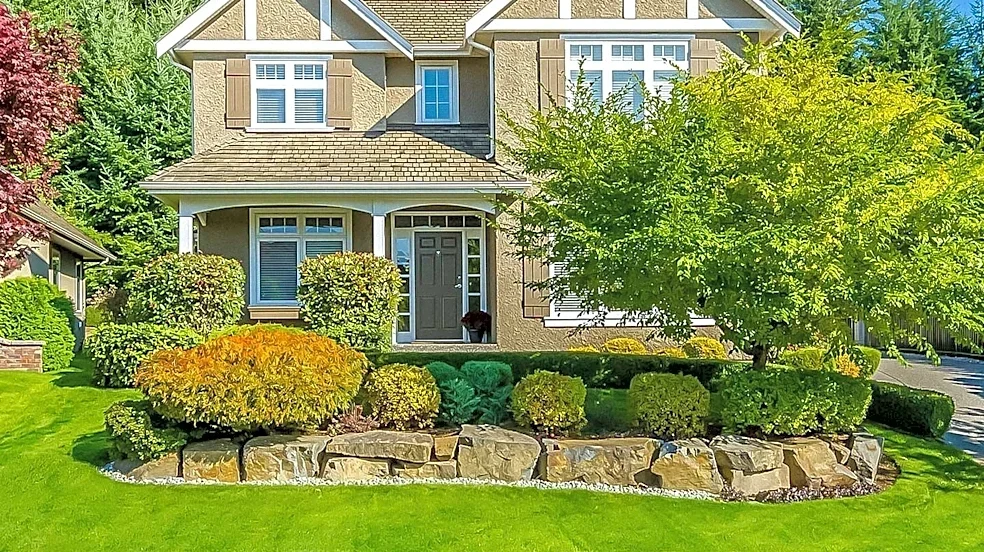
Retaining walls are being highlighted as a crucial solution for protecting garden beds, pathways, and outdoor living areas from water damage, especially on sloping properties. Heavy rainfall can lead to soil erosion, mulch displacement, and sediment accumulation
on paths and patios, creating recurring maintenance issues. By strategically installing retaining walls, homeowners can create stable, defined ground levels that help manage water flow across their property. This approach involves understanding the origin and movement of water to effectively protect vulnerable outdoor features. Proper construction of these walls, including suitable foundations and resistance to soil pressure, is essential. Additionally, integrating drainage systems with retaining walls is critical to prevent water buildup behind the structures, which can lead to cracking or movement. The goal is to create a more enjoyable and manageable outdoor space, even during adverse weather conditions.
Why It's Important?
The effective use of retaining walls is important for homeowners in the U.S., particularly those with sloped yards, as it directly addresses common problems like soil erosion and water damage. This not only preserves the aesthetic appeal of outdoor living spaces but also reduces the financial burden of repeated repairs and maintenance. By creating stable ground levels, retaining walls enable the establishment of functional areas like flatter planting beds and dependable pathways, enhancing usability and safety. For the landscaping and construction industries, this emphasizes the demand for skilled professionals capable of designing and installing effective water management solutions. Property values can also be positively impacted by well-designed and protected outdoor environments, making this a significant consideration for homeowners and real estate stakeholders. The focus on proper drainage alongside wall construction underscores a holistic approach to landscape design that prioritizes long-term durability and functionality.
What's Next?
Homeowners considering outdoor renovations, especially those with sloped properties, are likely to increasingly prioritize the integration of retaining walls and comprehensive drainage solutions. This trend will drive demand for qualified landscape contractors and engineers who specialize in water management and hardscaping. Future developments may include advancements in materials and construction techniques for retaining walls, offering more durable and aesthetically pleasing options. There could also be a greater emphasis on site assessments that thoroughly evaluate soil conditions, height differences, and drainage patterns to ensure optimal wall placement and design. Local regulations and permitting requirements for retaining wall construction, particularly for larger or structurally significant projects, may also see increased scrutiny to ensure safety and effectiveness. The industry will likely continue to educate consumers on the importance of professional planning and installation to avoid common pitfalls and ensure long-lasting results.
Beyond the Headlines
Beyond the immediate benefits of preventing water damage, the strategic implementation of retaining walls reflects a broader shift towards resilient and sustainable landscape design. This approach acknowledges the increasing unpredictability of weather patterns and aims to create outdoor spaces that can withstand environmental challenges. Ethically, proper water management through retaining walls can prevent runoff from negatively impacting neighboring properties, fostering better community relations. Legally, adherence to local building codes and engineering standards for wall construction is crucial to avoid liabilities and ensure structural integrity. Culturally, there's a growing appreciation for outdoor living spaces that are not only beautiful but also functional and low-maintenance, aligning with a desire for more practical and enduring home improvements. This trend also highlights the importance of integrating ecological principles into landscape design, where managing natural elements like water flow becomes a key component of creating harmonious and sustainable environments.