





What's Happening?
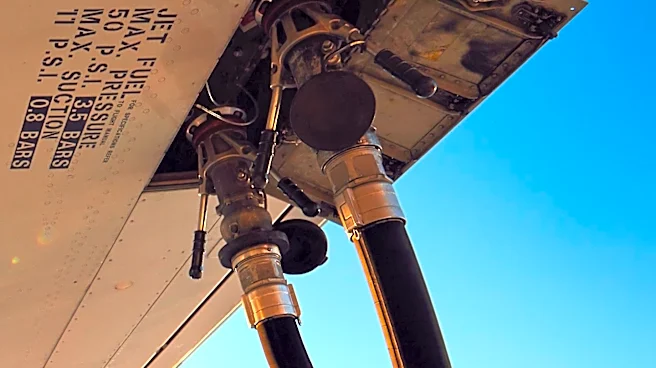
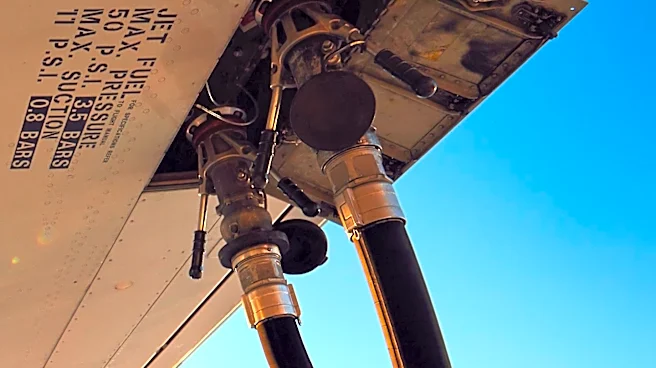
Gulf airports are significantly investing in expanding their jet fuel storage and pipeline infrastructure to bolster resilience against supply disruptions. Dubai is considering new fuel storage at its future Al Maktoum International Airport and a higher-capacity
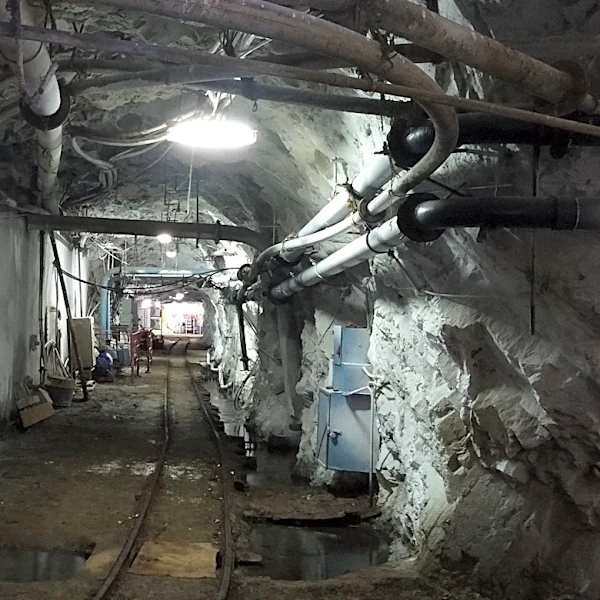
pipeline from Jebel Ali. Abu Dhabi is constructing underground tanks with a capacity of 192 million liters of jet fuel, while Qatar is developing a pipeline from Mesaieed to Hamad International Airport, and Jeddah is planning a new fuel-farm package. These projects aim to increase storage capacity and diversify delivery routes. However, analysts, including David Tonyan from Kpler, warn that despite these enhancements, a refinery outage remains the biggest vulnerability. Jet-fuel pipelines are dependent on production facilities, and a loss of refinery output cannot be quickly substituted, potentially forcing airlines to cut flights if alternative import terminals are not practically connected to airport fuel networks.
Why It's Important?
The vulnerability of jet fuel supply chains, particularly to refinery outages, poses a significant threat to the global aviation industry and the economies reliant on air travel. A fuel shortage can rapidly disrupt airline networks, forcing long-haul carriers to carry extra fuel, which increases costs and reduces payload, or to add intermediate refueling stops. This not only escalates operational expenses but also impacts flight schedules and passenger convenience. For major international hubs, a prolonged interruption could lead to substantial financial losses for airports, airlines, and related businesses. The ongoing investments in infrastructure highlight a strategic shift towards enhancing resilience, but the core dependency on refinery production underscores a critical weak point that could still lead to widespread flight cancellations and economic repercussions.
What's Next?
The ongoing infrastructure projects in the Gulf region are expected to continue, with Abu Dhabi's underground tanks due for completion in 2027 and other projects progressing. However, the focus will likely shift towards ensuring that these new storage and pipeline capacities are effectively integrated with diverse and resilient supply sources, particularly import terminals. Aviation analysts will continue to monitor the stability of refinery operations and the geopolitical landscape, as these factors directly influence fuel availability and pricing. Airlines and airport authorities may need to develop more robust contingency plans, including agreements for emergency fuel imports and strategies for managing flight operations during potential refinery outages. The long-term goal will be to create a fuel supply system that can withstand both localized disruptions and broader supply chain shocks.
Beyond the Headlines
The efforts by Gulf airports to fortify their fuel infrastructure reveal a deeper concern about the fragility of modern supply chains in the face of both technical failures and geopolitical instability. The emphasis on redundancy and diversified supply routes reflects a growing recognition that relying on single points of failure, such as a sole refinery, is no longer sustainable for critical infrastructure. This situation also highlights the complex interplay between energy security, economic stability, and national defense, as disruptions to aviation fuel can have far-reaching consequences. The investments in underground storage and reinforced infrastructure suggest a strategic adaptation to evolving threats, including potential attacks on energy facilities. Ultimately, these developments underscore a global trend towards building more resilient and adaptable infrastructure to safeguard essential services and economic activities against an increasingly unpredictable environment.