


What's Happening?
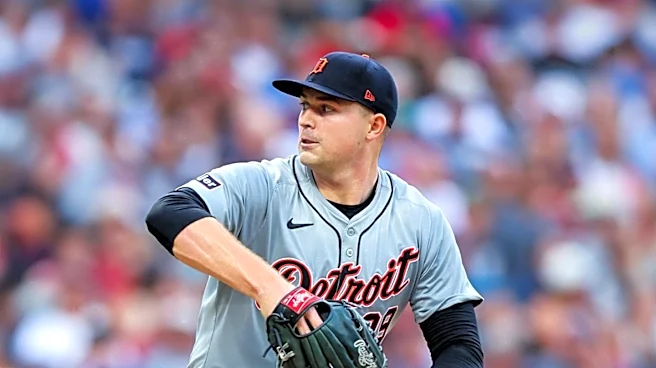
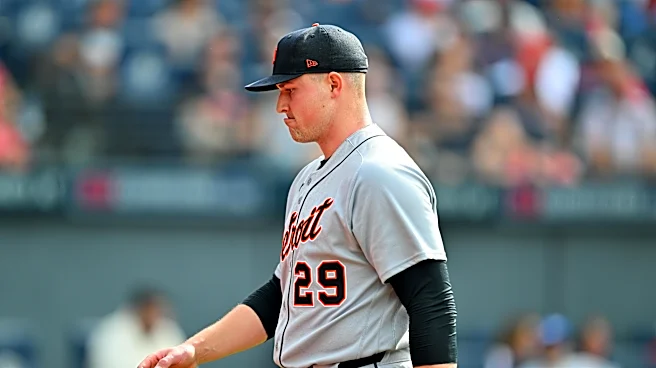
Star free agent pitcher Tarik Skubal and the New York Mets have agreed to a nine-year, $450 million contract, according to multiple reports. This deal, which includes a $45 million signing bonus, $30 million in deferrals, and no opt-outs, marks the largest
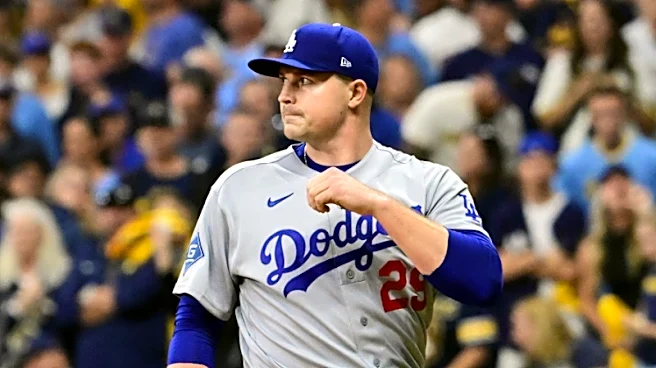
contract ever for a pitcher in Major League Baseball history. Skubal, a two-time Cy Young Award winner, finalized the agreement just over a week before MLB owners are widely expected to lock out players. This anticipated lockout is driven by a push for a new collective bargaining agreement that could introduce a salary cap system, potentially making such large contracts a thing of the past. The previous record for a pitcher was a $325 million contract between the Dodgers and Yoshinobu Yamamoto in 2023. Skubal's annual average value of $50 million also surpasses the previous yearly record of $43.33 million held by former Mets pitchers Max Scherzer and Justin Verlander.
Why It's Important?
This record-setting contract has significant implications for the ongoing labor negotiations between MLB owners and players. The deal directly challenges the owners' stated goal of implementing a hard salary cap and floor, as well as new restrictions on free agent contracts. Owners are proposing a system where free-agent deals for players changing teams would be limited to five years and $202 million, a figure far below Skubal's new contract. The Mets' ability to offer such a substantial deal highlights the disparity in spending power among teams, particularly those in large media markets with robust local media revenues like SportsNet New York. This type of spending is precisely what MLB management aims to curb with a cap-based system and a proposed reformation of local media revenue sharing among all 30 clubs. The agreement also underscores the urgency for players and their agents, like Scott Boras, to secure long-term deals before potential changes to the sport's economic rules take effect.
What's Next?
The immediate next step is the anticipated MLB lockout, which is expected to occur after the current labor deal expires on December 1. This lockout will likely halt all player transactions and could lead to a prolonged dispute between owners and the MLB Players Association. The Skubal deal will serve as a prominent example in these negotiations, with players arguing for the preservation of free-market principles and owners pushing for greater economic parity and sustainability through a salary cap. The Mets, meanwhile, will need to navigate their substantial financial commitments to players like Skubal, Juan Soto, Francisco Lindor, and Bo Bichette, especially if a salary cap is implemented. Their current payroll commitments for 2027 and 2028 already exceed the proposed salary cap figures, raising questions about how they will construct a competitive roster under new economic rules.
Beyond the Headlines
The Skubal contract not only redefines pitcher salaries but also exposes deeper tensions within MLB regarding economic structure and competitive balance. The deal highlights the ongoing struggle between large-market teams, which can leverage significant local media revenues, and smaller-market teams that often struggle to compete financially. The owners' push for a salary cap and revenue sharing is an attempt to address this perceived imbalance, aiming to create a more level playing field. However, the players' union views these proposals as an infringement on player earning potential and free agency rights. The outcome of these labor negotiations will have long-lasting effects on the sport's economic landscape, potentially altering how teams are built, how players are compensated, and the overall competitive dynamics of MLB for years to come. The Dodgers' decision to largely sit out the Skubal sweepstakes, amidst a federal fraud investigation into owner Mark Walter's business, also adds another layer of complexity to the financial health and future of major sports franchises.