






What's Happening?
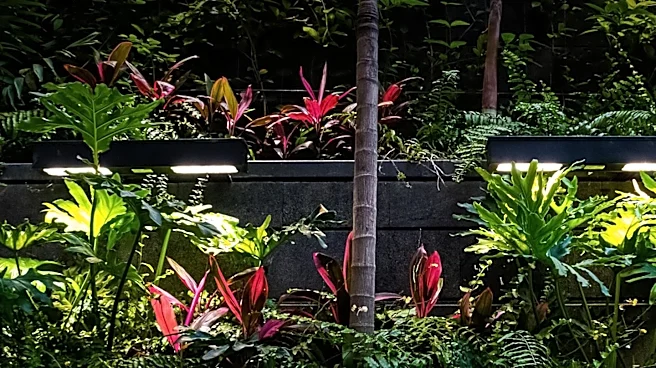
Vertical gardens are gaining popularity as an effective method for maximizing limited space in both small outdoor areas and indoor environments. These innovative gardening systems utilize vertical dimensions through various techniques, including trellises,
hanging baskets, wall-mounted planters, and living walls. For individuals with small apartment balconies, DIY vertical herb gardens constructed from repurposed pallets or leaning lattice panels provide practical and cost-effective solutions that often do not require drilling. Indoors, vertical gardens can be supported by common household items such as books or side tables, or by eco-friendly structures made from reclaimed wood or bamboo. The core principle involves stacking plants upwards along a wall, railing, or freestanding frame, transforming unused vertical space into productive green areas. This approach allows for the cultivation of multiple plants in a compact footprint, making gardening accessible even in urban settings with minimal ground space.
Why It's Important?
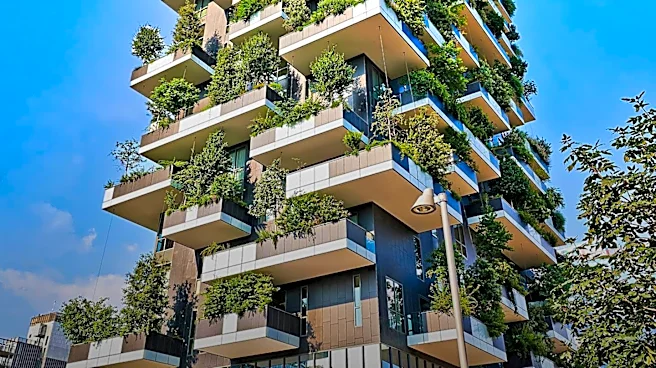
The rise of vertical gardening is significant for urban dwellers and those with limited space, offering a viable pathway to engage in plant cultivation, including growing herbs and decorative plants. This method addresses the challenge of shrinking outdoor areas in metropolitan regions, enabling individuals to create green spaces that enhance well-being and potentially contribute to local food production. For renters, non-drilling options like hanging planter racks or leaning structures are particularly important, as they allow for gardening without permanent alterations to property. Beyond personal benefits, the concept of vertical gardens, as exemplified by temporary installations designed by Ecosistema Urbano, can contribute to improving urban climate comfort and aesthetics. The ability to grow plants vertically also promotes resource efficiency by utilizing space that would otherwise be neglected, fostering a more sustainable approach to gardening in densely populated areas.
What's Next?
The trend of vertical gardening is expected to continue evolving with further innovations in design, materials, and plant selection. We may see an increase in commercially available vertical garden kits that simplify setup and maintenance, potentially incorporating integrated irrigation systems to address common challenges like rapid soil drying. DIY enthusiasts will likely explore more creative and sustainable ways to construct vertical gardens using recycled or upcycled materials. Additionally, as awareness of environmental benefits grows, urban planning and architectural designs might increasingly integrate living walls and vertical green spaces into new constructions and public areas. Educational initiatives promoting vertical gardening techniques could also expand, empowering more individuals to adopt these space-saving methods for both aesthetic and practical purposes, such as growing fresh produce in urban settings.
Beyond the Headlines
Beyond the immediate benefits of space-saving and aesthetic appeal, vertical gardening touches upon deeper implications related to urban sustainability, mental well-being, and community engagement. Ethically, it promotes a more conscious use of resources and encourages a connection with nature in environments often devoid of green spaces. Culturally, these gardens can transform sterile urban landscapes into vibrant, living art installations, fostering a sense of community pride and environmental stewardship. The act of nurturing plants, even in a small vertical setup, has been linked to reduced stress and improved mental health, offering a therapeutic outlet in busy urban lives. Furthermore, the potential for growing food in vertical gardens could contribute to local food security and reduce the carbon footprint associated with food transportation, subtly shifting urban populations towards more self-sufficient and environmentally friendly lifestyles.