




What's Happening?
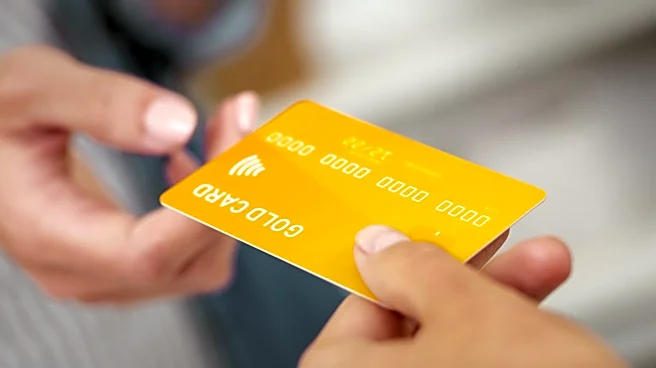
Walmart has initiated a nationwide rollout of tap-to-pay contactless payment options at its U.S. Walmart and Sam's Club locations. This new system allows customers to use contactless cards, smartphones, and smartwatches, including Apple Pay and Google
Pay, for transactions. The rollout commenced on August 24 and is projected to be completed across all U.S. stores by the end of 2026, with fuel stations expected to adopt the technology by mid-2027. This marks a significant shift for the retail giant, which historically encouraged the use of its proprietary Walmart Pay system, requiring customers to scan a QR code through the Walmart app. Walmart will continue to support its existing payment methods, such as cash, credit cards, and Walmart Pay, alongside the new contactless options.
Why It's Important?
This move by Walmart is important because it addresses a long-standing customer demand and aligns the retail behemoth with prevailing industry standards for payment convenience. For years, Walmart was a notable holdout in adopting widely accepted contactless payment methods like Apple Pay, which is currently accepted at approximately 85% of U.S. retailers. By integrating these options, Walmart is enhancing the customer experience, potentially reducing checkout times, and offering greater flexibility in payment choices. This change could attract a broader customer base that prefers or relies on contactless payments, thereby increasing customer satisfaction and potentially sales. It also signifies a strategic decision to prioritize customer choice and convenience over exclusive promotion of its in-house payment solution, reflecting a broader trend in retail to adapt to evolving consumer preferences and technological advancements.
What's Next?
The ongoing rollout will see tap-to-pay functionality progressively implemented across all Walmart and Sam's Club stores in the U.S. by the end of 2026, followed by fuel stations by mid-2027. Customers can anticipate a more streamlined and convenient checkout experience as the technology becomes universally available. This adoption may also influence other retailers who have been hesitant to fully embrace diverse contactless payment options, potentially accelerating the widespread integration of such systems across the U.S. retail landscape. Walmart's decision could also lead to increased usage of third-party digital wallets, impacting the competitive dynamics within the payment processing industry. The company will likely monitor customer adoption rates and feedback to further refine its payment strategies and potentially explore additional technological integrations in the future.
Beyond the Headlines
Walmart's embrace of tap-to-pay technology extends beyond mere transactional convenience; it reflects a deeper shift in consumer behavior and the retail industry's response to it. The historical resistance to third-party contactless payments, such as Apple Pay, stemmed from a desire to control the customer data and payment ecosystem, as evidenced by its previous support for the now-defunct CurrentC system. This reversal indicates a recognition that customer convenience and choice are paramount, even if it means ceding some control over payment data to external providers. The widespread adoption of contactless payments, partly accelerated by the pandemic, has made it a baseline expectation for many shoppers. By finally integrating these options, Walmart is not just upgrading its checkout process but also signaling a commitment to modernizing its retail experience and staying competitive in an increasingly digital marketplace. This move could also set a precedent for other large retailers to re-evaluate their payment strategies, fostering a more interconnected and user-friendly payment environment across the U.S.