


What's Happening?
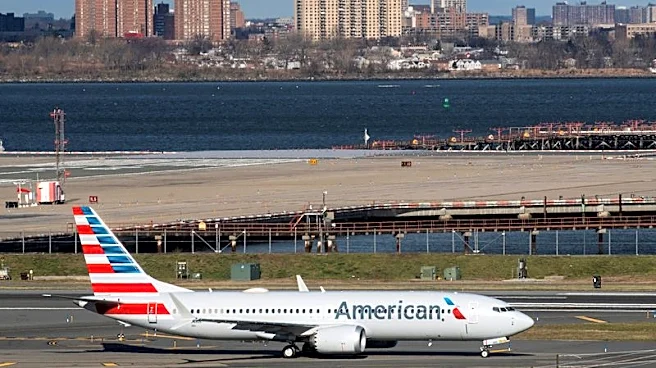
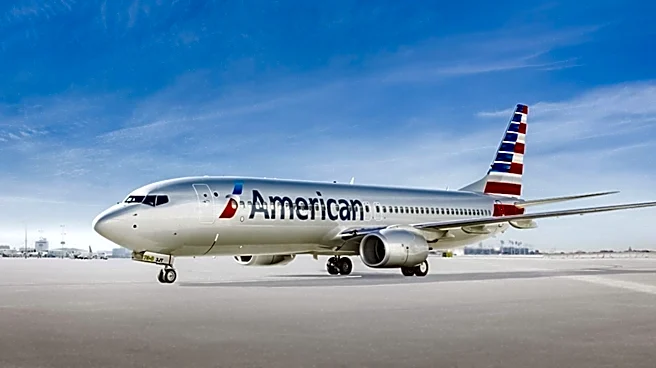
American Airlines is implementing a significant fleetwide upgrade, introducing state-of-the-art seatback entertainment screens at every seat and increasing premium seating options across its narrowbody aircraft. This initiative, announced by Heather Garboden,
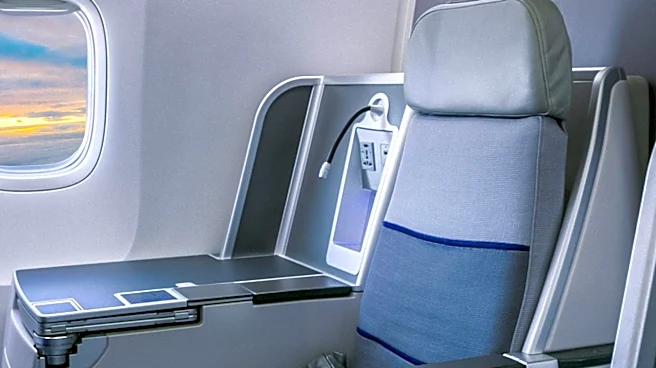
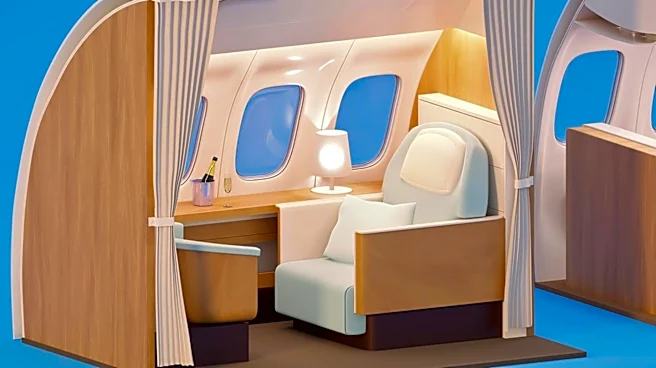
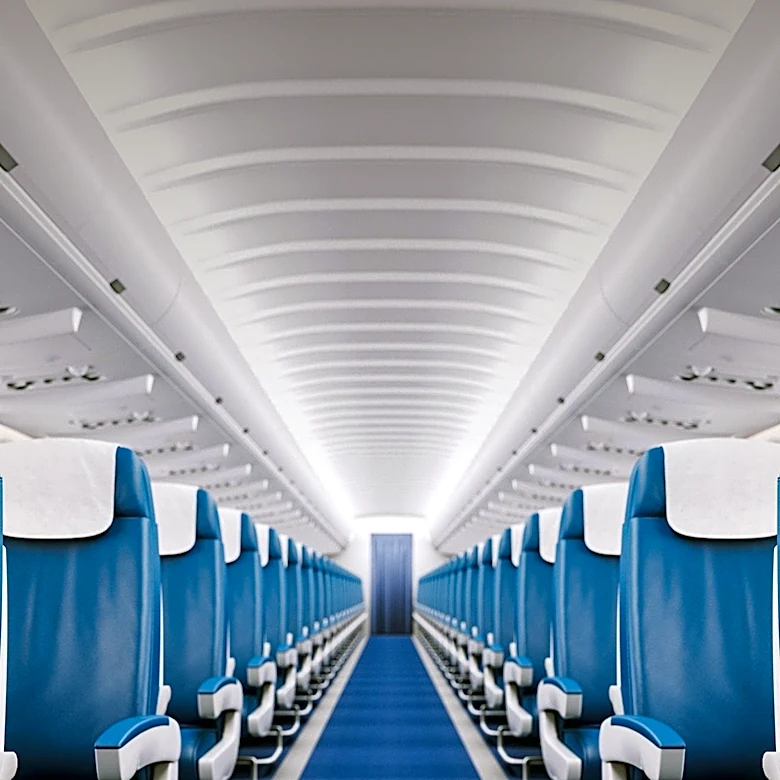
Chief Customer Officer of American, is described as one of the most substantial investments in the airline's onboard experience. The new 4K displays, featuring Bluetooth connectivity and USB-C charging ports, will begin appearing with new Boeing and Airbus deliveries in 2028. The airline plans to outfit its entire 876-strong mainline single-aisle fleet with economy class screens by the early 2030s. Additionally, American Airlines will add more first-class and extra-legroom economy (Main Cabin Extra) seats, aiming for premium seats to constitute approximately 40% of all seats on single-aisle planes, an increase from the current 25%. This move follows American's previous decision to remove seatback screens, a strategy that diverged from competitors like Delta and United, who have since re-emphasized in-flight entertainment.
Why It's Important?
This strategic shift by American Airlines is crucial for its competitive standing within the U.S. airline industry. By reintroducing and upgrading seatback entertainment and expanding premium seating, American aims to close the 'profit gap' with rivals such as United and Delta, who have already invested heavily in these amenities. The enhanced onboard experience, including ultra-fast Starlink in-flight connectivity starting next year, is designed to attract and retain customers, particularly lucrative premium travelers. The increased availability of first-class and Main Cabin Extra seats caters to a growing demand for more comfortable and amenity-rich travel options, potentially boosting revenue per passenger. This investment signals American's commitment to improving customer satisfaction and aligning its offerings with industry trends, which could lead to a more favorable market perception and stronger financial performance in the long term.
What's Next?
The rollout of these upgrades will commence in 2028 with new aircraft deliveries, and retrofits for existing planes will follow, with the goal of equipping the entire narrowbody fleet by the early 2030s. American Airlines will also be updating the content available on the new screens, promising 'new experiences and partnerships,' which may include personalized entertainment and enhanced flight maps. The airline is also in the process of adding a row of first-class seats to its Airbus A319s and A320s and will offer 24 first-class seats on its upcoming Boeing 737 MAX 10s. Concurrently, American is renovating and expanding its Admirals Clubs, adding new grab-and-go spaces and upgrading dining options, further targeting premium flyers. The success of these initiatives will likely be measured by customer feedback, passenger load factors, and financial results in the coming years.
Beyond the Headlines
American Airlines' decision represents a significant 'U-turn' from its previous strategy, which prioritized cost savings by removing seatback screens, assuming passengers would use their own devices. This reversal highlights a broader industry recognition that in-flight entertainment and premium comfort remain key differentiators and customer expectations, even in an era of personal electronics. The move also underscores the intense competition among major U.S. carriers to capture and retain market share, particularly in the premium travel segment. The investment in 4K screens, Bluetooth connectivity, and USB-C ports reflects an understanding of evolving consumer technology preferences. This shift could set a new standard for onboard amenities in the narrowbody segment, potentially pressuring other airlines to follow suit or risk falling behind in the race for passenger loyalty and revenue.