


What's Happening?
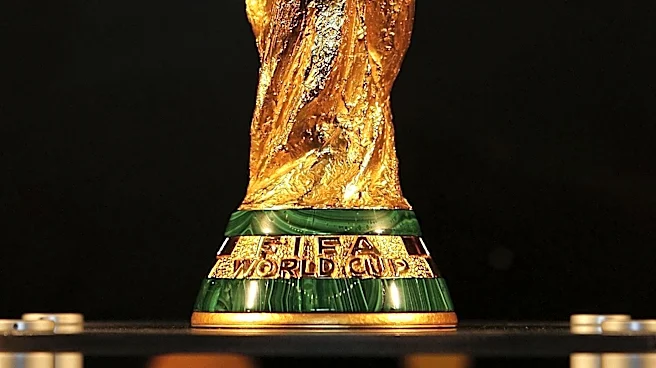
The history of the FIFA World Cup includes several instances of boycotts and withdrawals by nations due to geopolitical tensions. Notably, Uruguay, the first World Cup winner, refused to defend its title in 1934 due to the lack of European teams traveling
to South America. In 1938, Argentina joined Uruguay in boycotting the tournament. In 1958, several countries, including Turkey and Egypt, refused to play against Israel in the qualifiers. The Soviet Union also boycotted a match in 1973 following the Chilean coup d'état. Recently, UEFA and Concacaf have threatened to boycott future World Cups over FIFA's plans to sell stakes in the tournament, reflecting ongoing tensions between football's governing bodies.
Why It's Important?
These historical boycotts underscore the intersection of sports and politics, where international events like the World Cup become platforms for geopolitical statements. The recent threats by UEFA and Concacaf highlight the ongoing power struggles within football's governance, as well as the influence of political and economic interests on the sport. Such actions can have significant implications for the global football community, affecting tournament participation, viewership, and the sport's integrity. They also reflect broader issues of fairness and representation in international competitions.
What's Next?
The potential boycotts by UEFA and Concacaf could lead to significant changes in how the World Cup is organized and governed. FIFA may face increased pressure to address the concerns of its member associations and ensure transparency in its decision-making processes. The situation could also prompt discussions on the role of politics in sports and the need for reforms to protect the integrity of international competitions. As the football community navigates these challenges, the outcomes could reshape the future of the World Cup and its global impact.
Beyond the Headlines
The history of World Cup boycotts highlights the complex relationship between sports and international relations. These events serve as reminders of how global competitions can be influenced by political agendas and economic interests. They also raise questions about the role of sports in promoting unity and understanding among nations. As the world becomes increasingly interconnected, the need for ethical governance and fair representation in sports becomes more pressing, challenging stakeholders to balance competitive interests with broader social and political considerations.