

What's Happening?
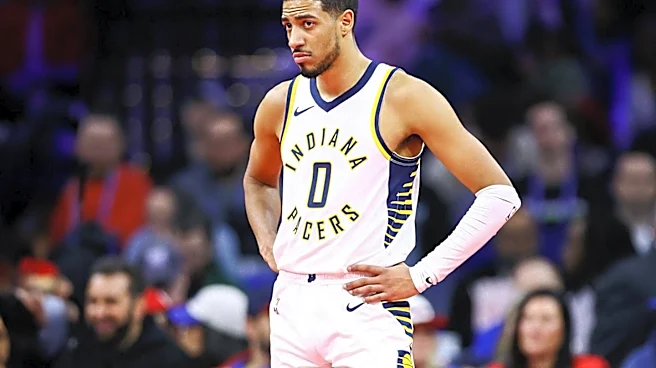
The Indiana Pacers are actively exploring trade options to reinforce their roster, particularly in the wing position, following star player Tyrese Haliburton's hamstring injury. Haliburton sustained a mild left hamstring injury on October 26, 2026, after
returning from a year-long recovery from an Achilles tear. Head coach Rick Carlisle has stated there is no definite timeline for Haliburton's return, indicating he could be out for at least another week or more, despite the injury being classified as mild. Since Haliburton's absence, the Pacers have struggled, posting a 3-7 record in their last ten games and an overall season record of 5-9. NBA insider Marc Stein reported via his Substack page that Indiana is weighing its trade options after an unsuccessful attempt to trade for Nique Clifford. While no active trade talks have commenced, the team is evaluating potential targets. The Pacers possess all their first-round picks from 2027 to 2033, offering valuable assets for potential trades, along with players like TJ McConnell, Aaron Nesmith, and Ben Sheppard.
Why It's Important?
Tyrese Haliburton's recurring injury issues and the Pacers' subsequent exploration of the trade market highlight the critical impact of star player health on team performance and strategic decisions in the NBA. Haliburton's absence has significantly derailed the Pacers' season, transforming a hopeful start into a struggle for consistency. This situation underscores the fragility of team success, especially for franchises heavily reliant on a single player's offensive and playmaking capabilities. The Pacers' proactive approach to seeking reinforcements demonstrates a commitment to remaining competitive despite adversity, but it also signals potential long-term concerns about Haliburton's durability. For the team, acquiring a strong wing player could provide much-needed depth and scoring, alleviating pressure on other players and potentially improving their standing in the Eastern Conference. For the league, this situation exemplifies the constant roster adjustments teams must make in response to injuries, influencing trade dynamics and player valuations across the NBA.
What's Next?
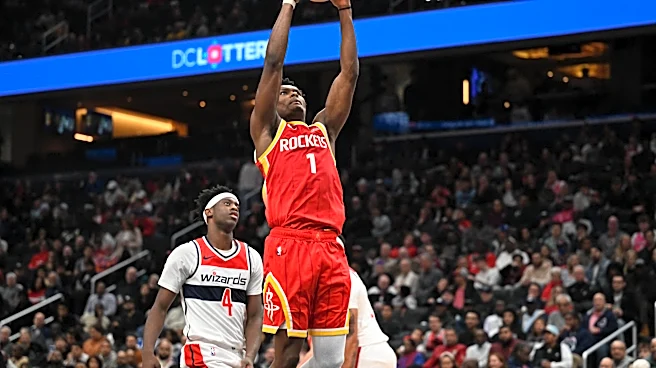
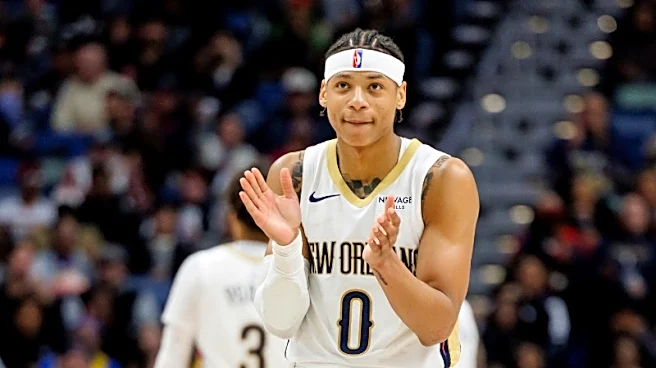
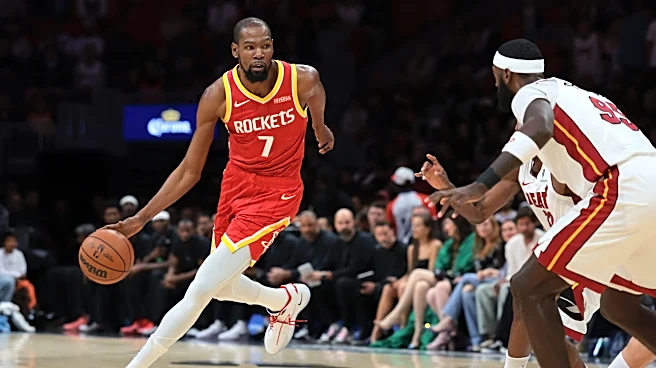
The Indiana Pacers will continue to monitor Tyrese Haliburton's recovery while actively evaluating trade targets to bolster their wing position. Haliburton is not expected to play against the Houston Rockets on November 19, 2026, and his return is anticipated to take at least another week, if not longer. The team's performance in his continued absence will likely influence the urgency and scope of their trade pursuits. Potential trade candidates mentioned include Michael Porter Jr. of the Nets and Trey Murphy III of the Pelicans, though any moves will depend on Haliburton's recovery and projected effectiveness. The Pacers' control over their future first-round picks (2027-2033) provides significant leverage in trade negotiations. Should Haliburton's return be delayed or his performance be less than optimal, the Pacers might intensify their efforts to acquire a substantial upgrade, potentially involving more significant assets. Conversely, a swift and effective return from Haliburton could temper their immediate need for a major trade.
Beyond the Headlines
The Pacers' current predicament with Tyrese Haliburton's injury and subsequent trade considerations delves into the broader strategic challenges faced by NBA franchises. The decision to trade for reinforcements involves a delicate balance between short-term competitiveness and long-term roster building. Given Haliburton's history of injuries, including a significant Achilles tear, the Pacers must weigh the risk of over-investing in a roster that might still be vulnerable to his health issues. This situation also highlights the increasing reliance on advanced sports medicine and analytics to manage player health and predict future performance, especially for players with a history of significant injuries. The team's willingness to explore trades so early in the season reflects the high-stakes nature of the NBA, where every game and every player's health can drastically alter a team's trajectory. It also underscores the competitive pressure to win, which often forces teams to make difficult decisions about their assets and future outlook.