






What's Happening?
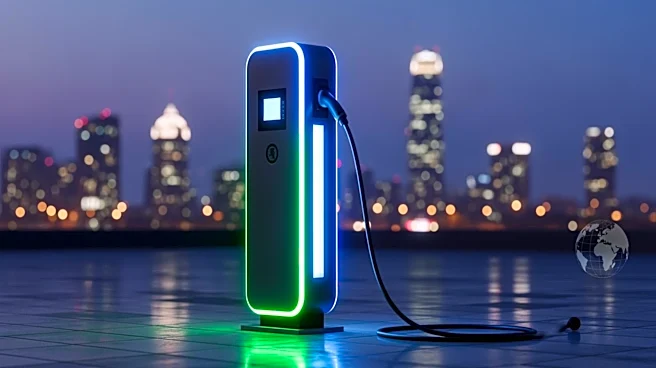
Electric vehicle (EV) sales in the United States are projected to account for only 17% of all passenger vehicle sales by 2030, according to BloombergNEF's latest EV outlook. This marks a significant reduction from the previous year's projection of a 27%
share. The decline is attributed to the Trump Administration's decision to end incentives for electric vehicles. In contrast, global EV sales are experiencing robust growth, with the International Energy Agency (IEA) reporting that EV sales are expected to reach 23 million globally in 2026, accounting for nearly 30% of all cars sold worldwide. The surge in global demand is driven by geopolitical factors, such as the closure of the Strait of Hormuz, which has led to fuel price spikes and increased interest in EVs.
Why It's Important?
The slowdown in U.S. EV adoption could have significant implications for the country's automotive industry and its efforts to transition to cleaner energy sources. The reduction in projected EV sales may impact U.S. automakers' strategies and investments in electric vehicle technology. Additionally, the lack of incentives could slow the country's progress toward reducing carbon emissions from the transportation sector. On the global stage, the increased demand for EVs highlights a shift towards sustainable transportation solutions, driven by geopolitical tensions and rising fuel costs. This trend could position other regions, such as Europe and Asia, as leaders in the EV market, potentially affecting the U.S.'s competitive edge in the automotive industry.
What's Next?
As the U.S. grapples with the implications of reduced EV incentives, automakers and policymakers may need to explore alternative strategies to boost domestic EV adoption. This could include investing in charging infrastructure, offering state-level incentives, or implementing stricter emissions regulations. Meanwhile, global markets are likely to continue their rapid adoption of EVs, driven by environmental concerns and economic factors. The U.S. may face increased pressure to align with international trends to maintain its position in the global automotive market.