

What's Happening?
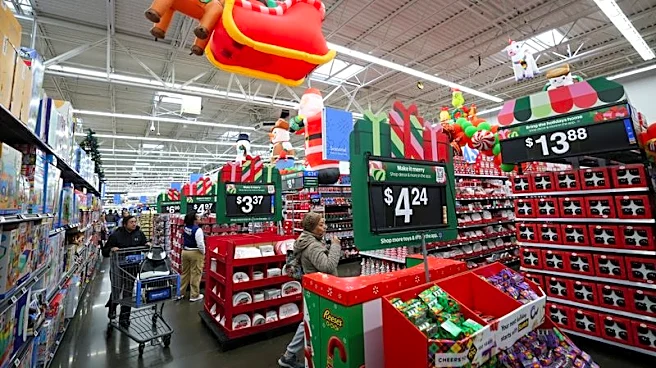
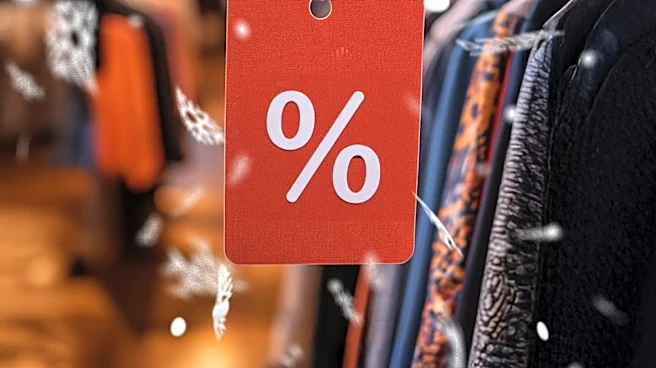
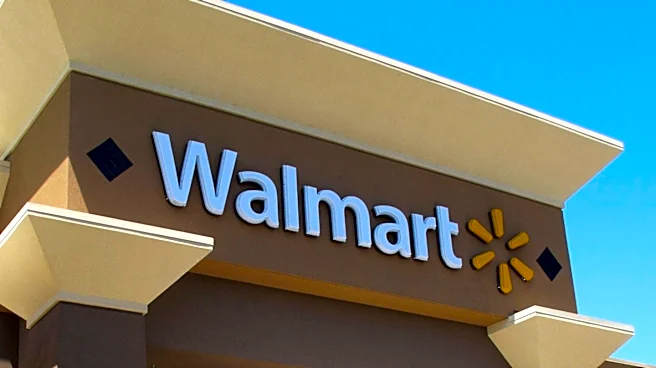
Black Friday 2026 is officially set for November 27, the day after Thanksgiving. However, major U.S. retailers such as Amazon, Best Buy, Target, Walmart, REI, Lululemon, Sephora, and Wayfair have already initiated their Black Friday sales, extending the shopping
period throughout much of November and into early December. This trend, often dubbed 'Black November,' sees companies offering significant discounts across a wide array of products, including technology, home goods, fashion, and appliances. The early start aims to capture consumer spending ahead of the traditional Black Friday rush, with many deals already matching or surpassing previous low prices. Shoppers are advised to compare deals carefully, as some 'markdowns' may not represent genuine deep discounts.
Why It's Important?
The expansion of Black Friday sales into 'Black November' signifies a strategic shift in the U.S. retail landscape. This prolonged sales period allows retailers to spread out demand, potentially easing logistical pressures and providing consumers with more time to shop. For businesses, it's a critical period to boost year-end sales, especially in the face of economic challenges. Consumers stand to gain from earlier access to discounts, enabling them to get a head start on holiday gift shopping and potentially avoid the intense competition for popular items on the actual Black Friday. However, the extended sales also mean consumers must be more vigilant to identify truly valuable deals amidst a longer promotional cycle, as not all advertised discounts are equally significant. This trend also blurs the traditional distinction between Black Friday and Cyber Monday, with many deals now spanning the entire holiday weekend.
What's Next?
As Black Friday 2026 approaches on November 27, consumers can expect a continued barrage of promotional messaging and new deals from retailers. The sales are anticipated to extend through the holiday weekend, culminating in Cyber Monday on November 30. Shoppers should monitor price fluctuations and compare offers across different platforms to secure the best value. Retailers will likely continue to adjust their strategies based on early sales performance, potentially introducing flash sales or further discounts on specific categories. The focus will remain on maximizing holiday season revenue, with a strong emphasis on online sales, although in-store promotions will also play a role. The extended sales period is expected to become a permanent fixture in the U.S. holiday shopping calendar.
Beyond the Headlines
The 'Black November' phenomenon reflects a broader evolution in consumer behavior and retail strategy. The shift from a single-day event to a month-long sales period highlights the increasing influence of e-commerce and the desire for sustained consumer engagement. This extended shopping window can lead to 'deal fatigue' among consumers, making it harder for individual promotions to stand out. It also raises questions about the environmental impact of increased consumption and shipping. From a psychological perspective, the constant availability of sales might diminish the urgency traditionally associated with Black Friday, yet the competitive retail environment ensures that significant discounts will still be offered. This trend also underscores the importance of data analytics for retailers, as they fine-tune their promotional efforts based on real-time sales data and consumer preferences.