





What's Happening?
California is investing in the expansion of existing research facilities and the establishment of new ones dedicated to the development of cultured meat cell lines and fermentation-derived ingredients. This initiative aims to overcome barriers in the alternative
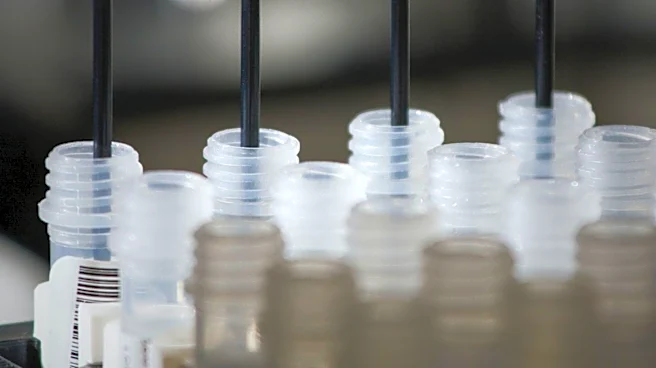
protein sector, where the state, despite its strong food science and technology expertise, faces a significant shortage of specialized infrastructure for cultivated meat research. The California Department of Food and Agriculture notes that while California accounts for over 70% of the nation's food and beverage manufacturing, modern facilities for alternative protein research, particularly in specialized cultivation technologies, are lacking. This funding seeks to enhance laboratory capabilities, accelerate breakthroughs, and foster collaboration among academia, industry, and government entities to build a robust alternative protein supply chain. The goal is to streamline research, facilitate faster product development, and commercialization of sustainable food solutions.
Why It's Important?
This investment is crucial for the U.S. alternative protein industry, particularly in California, which is a major hub for food innovation. By addressing the infrastructure gap in cultivated meat research, the state can accelerate the development and commercialization of sustainable food options. This move has the potential to position California as a leader in alternative protein technologies, creating new economic opportunities and jobs within the food science and manufacturing sectors. Furthermore, a robust alternative protein supply chain can contribute to national food security and sustainability goals by diversifying protein sources and reducing reliance on traditional meat production methods, which often have significant environmental impacts. The initiative also aims to meet rising consumer demand for sustainable food, potentially influencing dietary patterns and food choices across the nation.
What's Next?
The funding will lead to the expansion and creation of specialized research facilities, which are expected to foster increased collaboration between academic institutions, private companies, and government bodies. This collaborative environment is anticipated to accelerate the pace of innovation in cultivated meat and fermentation-derived ingredients. As research progresses, faster product development and commercialization are expected, potentially leading to new alternative protein products entering the market. The success of this initiative could also serve as a model for other states or regions looking to invest in sustainable food technologies. Additionally, the increased research output will likely contribute to a deeper understanding of the science behind cultivated meat, potentially influencing future regulatory frameworks and consumer acceptance.
Beyond the Headlines
The investment in cultivated meat research in California signifies a broader shift towards sustainable food systems and addresses ethical and environmental concerns associated with conventional meat production. By focusing on cell-line development, the initiative delves into the fundamental science required to produce meat without traditional animal farming, potentially mitigating issues like greenhouse gas emissions, land use, and animal welfare. This development could also spark discussions around the definition of 'meat' and the role of technology in food production. The emphasis on collaboration between academia, industry, and government highlights a growing recognition that complex challenges like food sustainability require interdisciplinary and multi-sectoral approaches. Ultimately, this could lead to a re-evaluation of agricultural practices and consumer perceptions of food, fostering a more resilient and environmentally conscious food future.