



What's Happening?
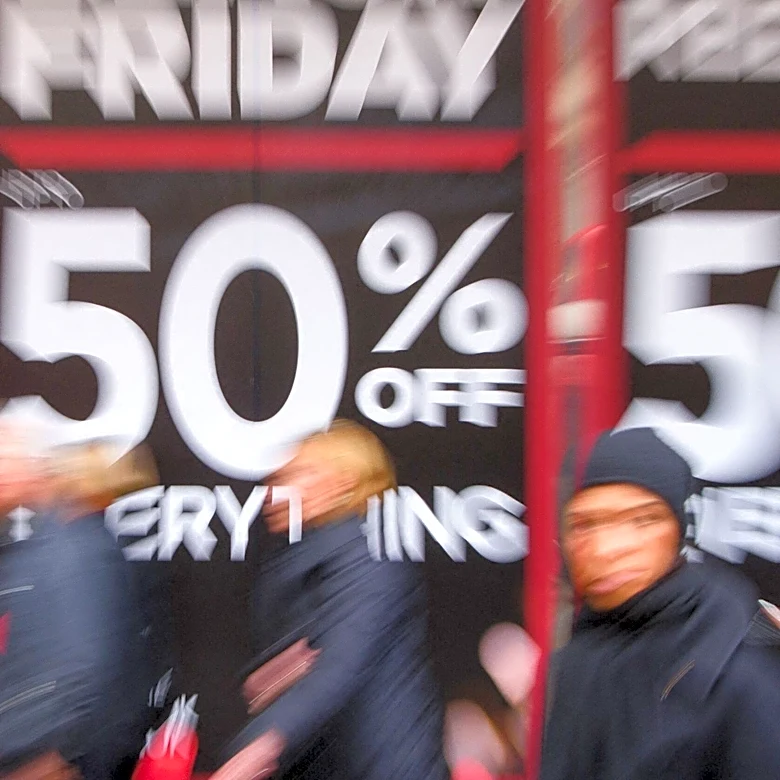
Black Friday 2026, officially falling on Friday, November 27, has evolved significantly from its traditional single-day, in-store shopping frenzy. According to Boston University Business Professor Dr. Greg Stoller, the event is no longer singular but
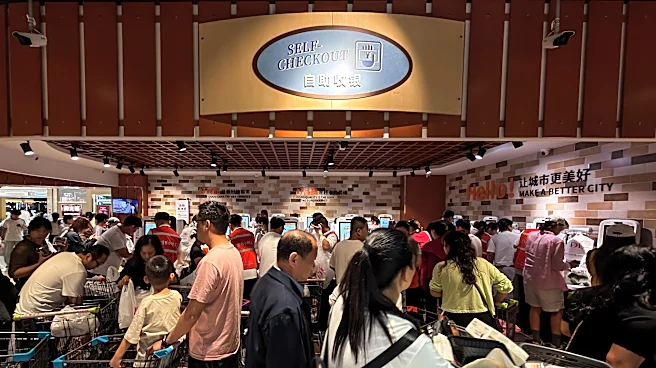
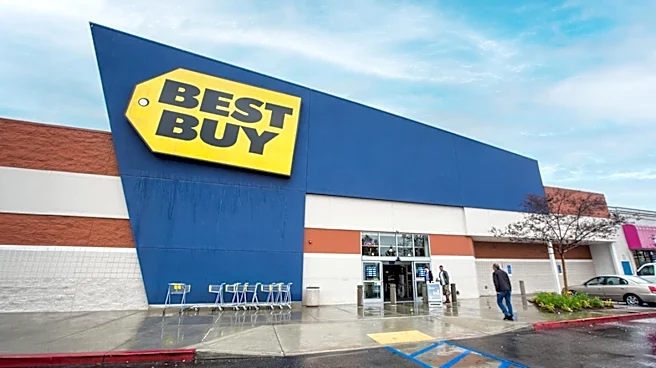
has expanded into 'Black November,' with sales promotions spread across several weeks. This shift has largely moved the focus from physical doorbuster events to an e-commerce bonanza, where deals are readily available online. Shoppers in locations like Watertown, Massachusetts, observed no long lines at major retailers such as Best Buy and Target, a stark contrast to past years. Consumers like Ben Bundu of Cambridge note that the 'group thing about shopping has changed,' reflecting a preference for convenience over the traditional rush. The National Retail Federation projects holiday sales to exceed $1 trillion this year, marking a 4.2% increase from 2025. However, this extended shopping period also brings increased warnings from the Better Business Bureau about scams, including fake retail websites, bogus social media ads, and AI-generated promotions designed to defraud consumers.
Why It's Important?
The transformation of Black Friday into 'Black November' signifies a fundamental shift in retail strategy and consumer behavior in the U.S. For retailers, it means a prolonged period of promotional activity, potentially smoothing out demand peaks and logistical challenges associated with a single high-volume day. The dominance of e-commerce underscores the ongoing digital transformation of the retail sector, requiring businesses to invest heavily in their online platforms, supply chain efficiency, and cybersecurity measures. For consumers, the extended sales period offers more flexibility and convenience, reducing the pressure to make immediate purchasing decisions and allowing for more thoughtful shopping. However, it also necessitates increased vigilance against online scams, as the proliferation of deals creates more opportunities for fraudulent activities. The projected $1 trillion in holiday sales highlights the continued strength of consumer spending, even as economic factors like inflation influence purchasing decisions. This extended sales model could become the new standard, impacting how retailers plan their marketing, inventory, and staffing throughout the entire holiday season.
What's Next?
As Black Friday officially commences on November 27, retailers will continue to roll out new deals, with many extending through the holiday weekend into Cyber Monday on November 30. The focus will remain heavily on online sales, with Cyber Monday historically being a web-centric event. Consumers are advised to remain cautious and conduct due diligence before making purchases, especially given the Better Business Bureau's warnings about increased scam activity. Retailers will likely monitor sales performance throughout 'Black November' to refine future holiday strategies, potentially solidifying the multi-week sales approach. The National Retail Federation's projections suggest a robust holiday shopping season, and the final sales figures will provide key insights into consumer confidence and spending patterns amidst evolving economic conditions. The integration of AI in both legitimate marketing and fraudulent schemes is also expected to grow, requiring consumers and cybersecurity experts to adapt to new threats.
Beyond the Headlines
The evolution of Black Friday into 'Black November' reflects broader societal and technological shifts. The decline of the traditional in-store rush points to a cultural change where immediate gratification through physical presence is less valued than convenience and accessibility offered by online shopping. This also has environmental implications, as reduced physical travel to stores could lower carbon footprints, though increased shipping demands could offset some of these gains. The rise of sophisticated online scams, including those leveraging AI, highlights the growing digital literacy gap and the need for continuous consumer education on cybersecurity. Furthermore, the extended sales period may dilute the 'event' aspect of Black Friday, potentially leading to consumer fatigue or a perception of perpetual sales, which could impact brand loyalty and pricing strategies in the long run. The shift also raises questions about labor practices in e-commerce fulfillment centers, as sustained high demand over weeks could place different pressures on workers compared to a single intense day.