






What's Happening?
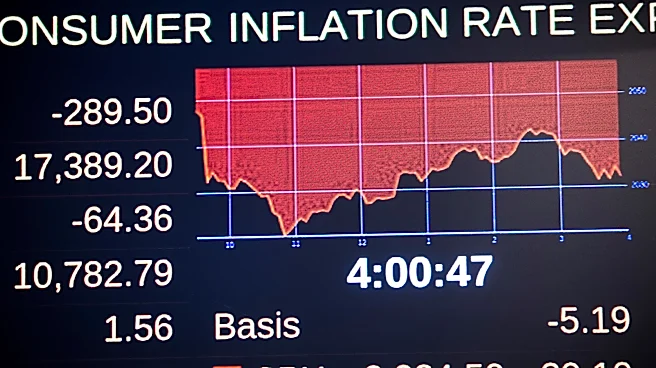
The Wyoming Cost of Living Index (WCLI) for the second quarter of 2026 has been released, indicating that the state's inflation rate has risen to nearly 4% since the fourth quarter of 2025. The report highlights that the cost of living in Teton County
is approximately 77% higher than the statewide average. The WCLI comprises two main components: inflation, which measures year-over-year change, and the Comparative Cost of Living Index (CCLI), which compares each county's cost of living to the statewide average. Teton County ranked highest in the CCLI for all consumer items. Statewide inflation saw increases across various categories, including housing (4.5%), transportation (4.3%), apparel (4.0%), medical (2.8%), food (2.7%), and recreation and personal care (2.4%). The average rental rate for an apartment in Teton County is $3,641, a 7.8% increase from a year ago, while a house averages $4,332.
Why It's Important?
The significant disparity in the cost of living, particularly in Teton County, has profound implications for residents, businesses, and economic development across Wyoming. A 77% higher cost of living in one region compared to the state average can lead to challenges in workforce retention, affordability, and social equity. Businesses in high-cost areas may struggle to attract and retain employees due to housing and living expenses, potentially impacting economic growth and diversification. For residents, especially those with fixed incomes or lower wages, the rising inflation and high cost of living can reduce purchasing power and quality of life. This data is crucial for policymakers in developing targeted strategies to address affordability, housing shortages, and economic disparities within the state, ensuring sustainable growth and equitable access to resources.
What's Next?
The Wyoming Economic Analysis Division releases the WCLI twice a year, providing ongoing data for policymakers and the public. Future reports will continue to track inflation and comparative costs, offering updated insights into economic trends. State and local governments may use this data to inform policy decisions related to housing, wages, and economic development initiatives. Discussions are likely to continue regarding strategies to mitigate the high cost of living in areas like Teton County, potentially involving affordable housing projects, wage adjustments, or incentives for businesses. The ongoing monitoring of these economic indicators will be essential for understanding the long-term impacts on Wyoming's economy and its residents.
Beyond the Headlines
The stark difference in living costs within Wyoming, particularly the extreme case of Teton County, underscores a broader national trend of increasing economic stratification within states. This phenomenon often leads to 'brain drain' from high-cost areas as individuals seek more affordable living, or conversely, creates exclusive enclaves. The report implicitly raises questions about the sustainability of such disparities and the potential for social and economic fragmentation. Addressing these issues requires a multi-faceted approach that goes beyond simple economic adjustments, touching upon land use policies, regional planning, and community development strategies to foster more balanced and inclusive growth across the state. The data serves as a critical tool for understanding these complex socio-economic dynamics.