





What's Happening?
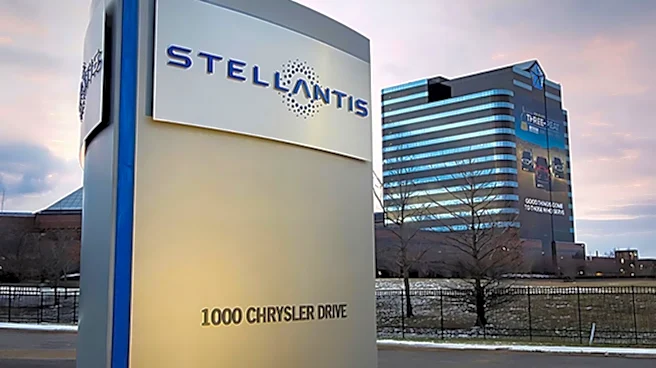
Stellantis CEO Antonio Filosa stated that while the United States will eventually embrace electric vehicles (EVs), the pace of adoption will be considerably slower compared to other global regions. Filosa, in remarks reported by CleanTechnica on November
23, acknowledged the industry's unavoidable shift towards EVs but maintained a conservative outlook on the timing and speed of this transition in the U.S. market. He attributed the slower adoption to factors such as limited model choices, varying levels of government support, consumer perceptions, and existing barriers at dealerships. Filosa noted that EV sales currently account for approximately 7% of new car sales in the U.S., a figure similar to five years ago, suggesting that past demand surges were largely influenced by regulatory changes rather than organic consumer demand. He argued that when regulations were eased, consumers often preferred other powertrain options. Despite this, Filosa did not deny the long-term potential of the U.S. market, forecasting an eventual growth phase for EVs, albeit at a slower rate than elsewhere.
Why It's Important?
This perspective from a major automotive CEO highlights a significant divergence in the global EV transition, with potential implications for U.S. automotive manufacturing, energy policy, and consumer choices. Stellantis's cautious stance suggests that the company may not aggressively expand its EV offerings in the U.S. immediately, potentially impacting competition and the availability of diverse EV models for American consumers. The emphasis on regulatory influence over organic demand also underscores the critical role of government policies in shaping market trends. If U.S. EV adoption continues at a slower pace, it could affect the country's ability to meet climate goals, reduce reliance on fossil fuels, and maintain competitiveness in the global automotive sector. Furthermore, the 'regionalization' trend identified by Filosa, where market strategies become less uniform globally, indicates that U.S.-specific challenges and opportunities will increasingly dictate the automotive industry's approach within its borders, potentially leading to unique product development and marketing strategies tailored for the American consumer.
What's Next?
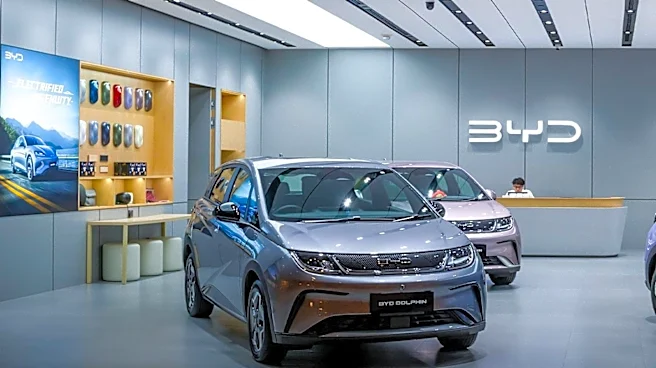
The future trajectory of the U.S. EV market will likely depend on several key developments. Increased model variety and the removal of sales channel barriers, particularly at the dealership level, could stimulate greater consumer demand. Policy support, including potential new incentives or regulatory frameworks, will also be crucial in accelerating adoption. The outlet CleanTechnica questioned Stellantis's interpretation of the U.S. market, pointing to other regions where a wider range of EV options and aggressive sales strategies by automakers have successfully generated demand. The U.S.'s high tariff policy, particularly on vehicles from manufacturers like BYD, is also cited as a variable that limits price competition and consumer choice. Therefore, future policy decisions regarding tariffs and trade could significantly influence the availability and affordability of EVs in the U.S. market, potentially impacting the pace of transition and Stellantis's strategic decisions within the country.
Beyond the Headlines
The Stellantis CEO's remarks touch upon deeper implications concerning the interplay between consumer behavior, government regulation, and global market dynamics in the automotive industry. The idea that U.S. EV demand has been largely 'a bubble created by regulation' suggests a fundamental difference in market drivers compared to regions where organic demand might be stronger. This raises questions about the sustainability of EV growth in the U.S. without consistent policy support and whether American consumers are genuinely ready for a rapid shift. The 'regionalization' of the auto market also implies a potential fragmentation of global automotive strategies, where companies might develop distinct product lines and marketing approaches for different continents. This could lead to varying technological advancements and consumer experiences across regions, with the U.S. potentially lagging in certain EV innovations if its market conditions do not incentivize aggressive development and deployment. The ethical dimension of balancing environmental goals with consumer preferences and economic realities will continue to be a central challenge for policymakers and automakers alike.