








What's Happening?
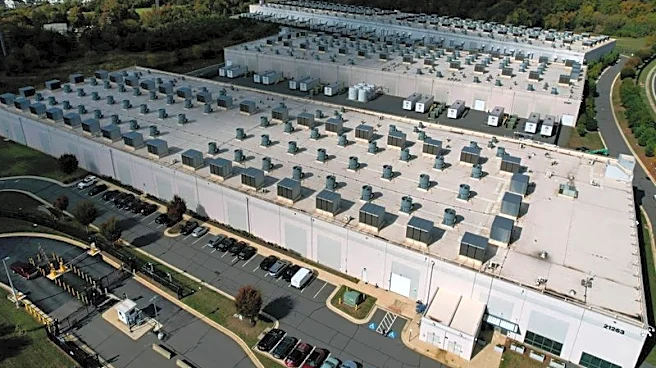
The U.S. is experiencing inflationary pressures due to significant investments in artificial intelligence (AI) infrastructure, particularly data centers. This year, major tech companies like Alphabet, Amazon, Meta Platforms, and Microsoft are expected
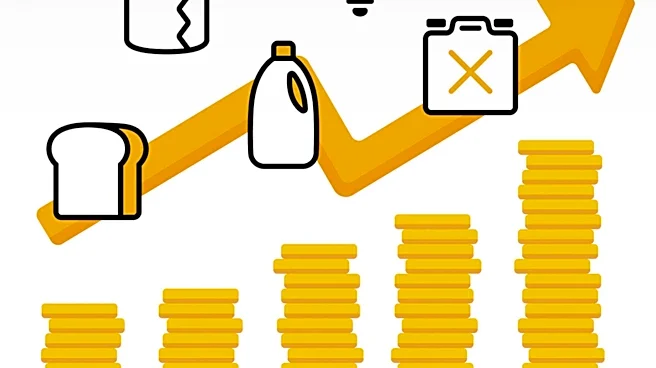
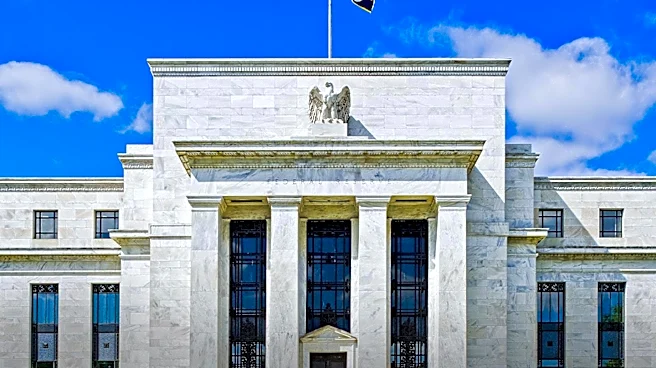
to invest around $720 billion, primarily in data centers. This surge in investment has led to increased prices for memory chips and other components, which in turn has raised the cost of consumer electronics such as laptops, smartphones, and video game consoles. Additionally, the demand for electricity by these data centers is contributing to higher utility costs. The Federal Reserve is closely monitoring these developments, as they could influence its decision on interest rates. Economists predict that AI-related spending could increase core consumer prices by about half a percentage point by the end of the year, keeping inflation above the Fed's 2% target.
Why It's Important?
The inflationary impact of AI investments is significant as it affects both consumers and the broader economy. Higher prices for consumer electronics and electricity can reduce disposable income and consumer spending, potentially slowing economic growth. For the Federal Reserve, persistent inflationary pressures may necessitate raising interest rates to control spending and stabilize prices. This could lead to higher borrowing costs for consumers and businesses, affecting loans and mortgages. The situation underscores the complex interplay between technological advancements and economic policy, highlighting the challenges of managing inflation in a rapidly evolving tech landscape.
What's Next?
The Federal Reserve will continue to assess the inflationary impact of AI investments, with a focus on upcoming economic data, including the June inflation report. If inflation remains elevated, the Fed may consider raising interest rates to curb spending. Meanwhile, tech companies might face pressure to manage costs and supply chain challenges to mitigate price increases. Consumers could see further price hikes in electronics and utilities, prompting potential shifts in spending behavior. Policymakers and economists will need to balance the benefits of AI-driven growth with the risks of sustained inflation.