







What's Happening?
NASCAR has announced a significant rule change for the upcoming Cup Series race at Phoenix Raceway, allowing teams to replace front brake rotors and pads after Saturday's practice and qualifying sessions. This adjustment comes in response to multiple
brake failures experienced by teams at World Wide Technology Raceway at Gateway last month, as well as at other tracks like Nashville, Iowa, and New Hampshire. The sanctioning body aims to address concerns about component reliability, especially with the Cup Series' increased horsepower package and the high demands placed on braking systems at shorter tracks. While teams can replace front brake components, no other parts of the brake system are permitted to be changed. Rear rotors can be inspected during pre-race adjustments on Sunday, with any issues assessed by NASCAR on a case-by-case basis. This move is unusual for an impound weekend but is being implemented as a safety measure.
Why It's Important?
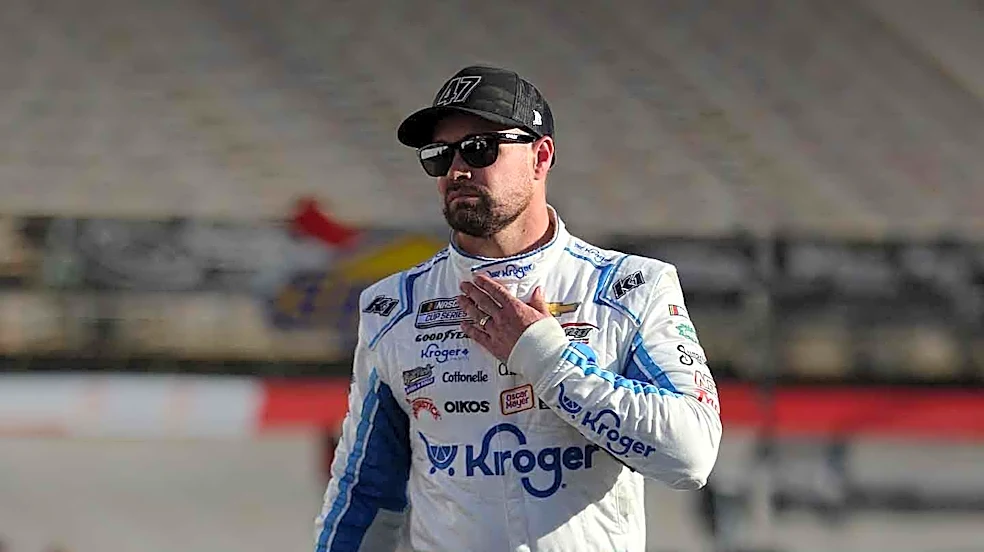
This rule modification is crucial for enhancing driver safety and maintaining competitive integrity in NASCAR. Brake failures, as seen with Ryan Blaney's incident at Gateway, pose significant risks to drivers and can prematurely end races for contenders. By allowing teams to proactively address potential brake issues, NASCAR is taking steps to prevent similar incidents at Phoenix, a track known for its heavy braking zones. This decision also highlights the ongoing challenge NASCAR faces in balancing strict inspection and impound procedures with the need to ensure component reliability. The increased horsepower package in the Cup Series has amplified the stress on braking systems, making such adjustments vital for the sport's evolution and the well-being of its participants. The change could also influence race strategies, as teams might push their cars harder knowing they have a chance to refresh critical brake components.
What's Next?
Teams will now prepare for the Phoenix Raceway event with the new brake replacement allowance in mind. Following Saturday's practice and qualifying, crews will have the opportunity to assess their front brake rotors and pads and make necessary replacements. This will likely lead to more thorough inspections and potentially different strategies for managing brake wear during practice sessions. The performance of the cars and the incidence of brake-related issues during the Phoenix race will be closely watched to determine the effectiveness of this rule change. NASCAR will likely evaluate feedback from teams and drivers post-race to decide if similar allowances are needed for future events or if further adjustments to component specifications or inspection protocols are required to ensure long-term reliability and safety across the series.
Beyond the Headlines
This rule change reflects a broader trend in motorsports where safety and performance are constantly being re-evaluated in response to technological advancements and competitive pressures. The increased horsepower package, while designed to enhance racing excitement, has inadvertently exposed vulnerabilities in other critical components like brakes. NASCAR's willingness to adapt its rules, even during an impound weekend, underscores a commitment to driver safety that can sometimes conflict with traditional regulatory frameworks. This situation could also spark further discussions within the industry about the balance between standardized parts, team innovation, and overall vehicle reliability. It may also lead to manufacturers and suppliers re-evaluating their brake component designs to meet the escalating demands of modern NASCAR racing, potentially influencing future car designs and safety standards across the sport.