






What's Happening?
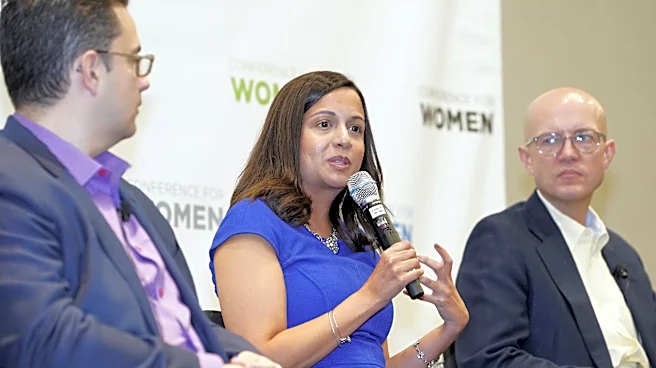
The Cheung Kong Graduate School of Business (CKGSB) recently hosted its 2026 Women in Leadership Forum in Beijing, with the Cartier Women's Initiative as a strategic partner. The forum, themed "The Entrepreneurial Edge," brought together women founders,
business leaders, and international organizations to discuss strategies for building sustainable companies and navigating change. Kanta Singh, Head of Office (ad interim) at the UN Women China Office, highlighted the significant role women entrepreneurs play in job creation and as role models, while also acknowledging the persistent challenges they face in accessing capital. CKGSB Associate Dean Zhang Xiaomeng presented her Workplace Resilience Index, which surveyed 35,881 individuals across China between 2020 and 2026. The findings indicated that women in senior management exhibited higher emotional and cognitive resilience compared to their male counterparts. Zhang emphasized the importance for companies to cultivate employees' cognitive resilience through tailored solutions to enhance organizational resilience. A panel discussion, moderated by CKGSB Assistant Professor of Marketing Li Xilin, featured four women founders who shared their experiences and insights on commitment, perseverance, and establishing robust systems for growth.
Why It's Important?
This forum underscores the growing recognition of women's contributions to the global economy and the ongoing efforts to support their entrepreneurial endeavors. The insights shared regarding resilience and growth are crucial for fostering a more inclusive and dynamic business landscape. The data from the Workplace Resilience Index, indicating higher resilience among women in senior management, could influence corporate strategies in talent development and leadership training, potentially leading to more targeted programs that leverage these strengths. For U.S. businesses and policymakers, these discussions offer valuable perspectives on global trends in women's leadership and entrepreneurship. Understanding the challenges and successes of women founders internationally can inform domestic initiatives aimed at reducing barriers to capital access and promoting women's participation in leadership roles. The emphasis on resilience is particularly relevant in today's volatile economic climate, suggesting that investing in and empowering women leaders could contribute to more stable and adaptable organizations.
What's Next?
The 2026 Women in Leadership Forum builds upon a partnership formalized in 2024 between CKGSB and Cartier, indicating a continued commitment to supporting women entrepreneurs and promoting ethical business practices. Future initiatives are likely to focus on further research into workplace resilience, the development of customized solutions for employee development, and continued advocacy for women's access to capital and leadership opportunities. The insights shared by leaders like Cyrille Vigneron, Chairman of Cartier Culture and Philanthropy, who emphasized the necessity of men's active participation in advancing women, suggest a broader, collaborative approach to gender equality in business. This could lead to more cross-sector partnerships and programs designed to foster an environment where women can thrive. The ongoing dialogue and data collection, such as the Workplace Resilience Index, will likely inform future policy recommendations and corporate strategies aimed at enhancing diversity and inclusion in leadership.
Beyond the Headlines
The forum's focus on "The Entrepreneurial Edge" and the resilience of women leaders points to a deeper societal shift towards valuing diverse leadership styles and capabilities. The finding that women in senior management demonstrate higher emotional and cognitive resilience challenges traditional stereotypes and highlights the unique strengths women bring to leadership roles. This could have long-term implications for how leadership potential is identified and nurtured within organizations, moving beyond conventional metrics to include qualities like adaptability and emotional intelligence. Furthermore, the emphasis on men's active participation in advancing women's roles suggests a cultural evolution where gender equality is increasingly seen as a collective responsibility rather than solely a women's issue. This broader perspective could lead to more integrated and effective strategies for achieving gender parity in business and leadership, fostering a more equitable and innovative global economy.