
What's Happening?
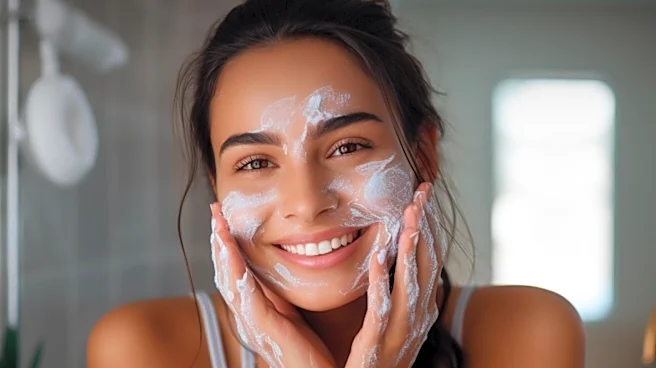
Skin cycling is a skincare methodology that involves periodically adjusting one's routine to cater to the skin's evolving needs. This approach integrates 'rest days' and modifies the intensity of skincare products, allowing the skin to regenerate and repair
itself. To implement skin cycling, individuals first assess their skin type and specific concerns, such as dryness, aging, or acne. A weekly schedule is then created, balancing 'active days' with 'rest days.' On active days, exfoliants and targeted treatments are used, while rest days focus on gentle hydrating products. The core principle is to observe the skin's response and adapt the routine accordingly, emphasizing flexibility to achieve optimal results for unique skin types and concerns. This method aims to maintain a radiant complexion while preventing potential skin irritation by avoiding product overload.
Why It's Important?
This personalized approach to skincare is important because it moves away from a one-size-fits-all mentality, recognizing that skin needs fluctuate due to internal and external factors. By incorporating 'rest days,' skin cycling helps prevent over-exfoliation and irritation, which can be counterproductive to skin health. Many traditional skincare routines encourage daily use of potent active ingredients, potentially leading to a compromised skin barrier. This method, however, promotes a healthier skin barrier by allowing periods for repair and strengthening. For consumers, it means a more sustainable and effective skincare journey, potentially reducing the need for numerous products and mitigating adverse reactions. For the beauty industry, it highlights a growing demand for customized and adaptive solutions, influencing product development towards gentler formulations and clearer usage instructions that support cyclical routines.
What's Next?
The trend of skin cycling is likely to continue gaining traction, leading to increased demand for products specifically designed to fit into such routines. Skincare brands may develop product lines or kits tailored for active and rest days, simplifying the process for consumers. Educational content from dermatologists and beauty influencers will further popularize and refine skin cycling techniques, offering more detailed guidance on ingredient pairing and schedule customization. We can also expect to see more advanced tools and apps that help users track their skin's response and adjust their cycling schedule, potentially integrating AI for personalized recommendations. This will empower individuals to fine-tune their routines, leading to better long-term skin health outcomes and a more informed consumer base.
Beyond the Headlines
Beyond its immediate benefits for skin health, skin cycling reflects a broader cultural shift towards mindful consumption and personalized wellness. In an era of overwhelming product choices and often aggressive marketing, this approach encourages users to listen to their bodies and prioritize balance over intensity. It challenges the notion that more products or stronger ingredients always lead to better results, fostering a more intuitive relationship with skincare. This philosophy could extend to other areas of personal care, promoting cycles of activity and rest for hair care, body care, and even overall well-being. Ethically, it promotes responsible product use, potentially reducing waste from unused or incompatible products, and encourages a more sustainable approach to beauty routines.