


What's Happening?
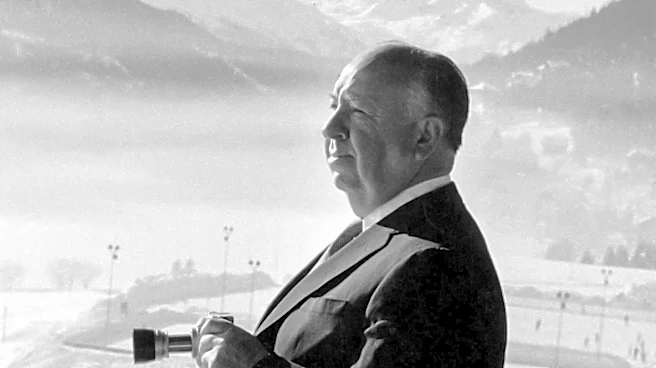
Kim Novak, the 93-year-old Hollywood actress renowned for her role in Alfred Hitchcock's 'Vertigo,' has publicly shared her post-mortem wishes. In a recent interview released on October 7, Novak revealed her intention to have her body composted after
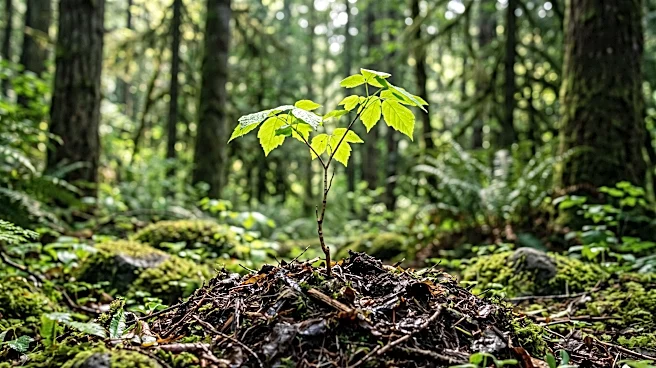
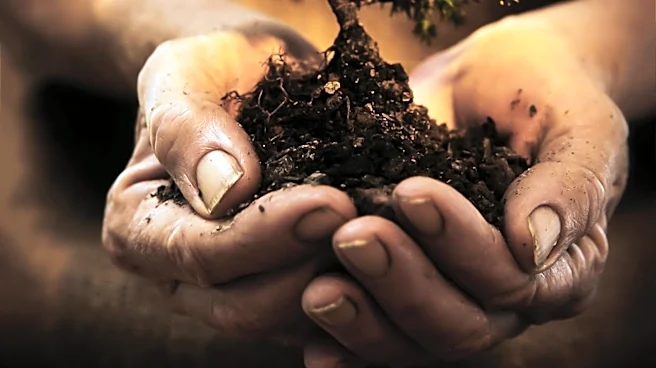
her death. She envisions her remains being used to nourish trees, thereby becoming a part of nature's cycle. Novak expressed that she views this as a 'new adventure' and a way to continue growing as part of a beautiful tree. Since retiring from Hollywood in 1966, Novak has dedicated her life to animal advocacy and caring for numerous animals on her ranch in Oregon. She stated that her work with animals has provided her with a sense of authenticity and self-trust that she found lacking in her acting career. Novak also recently criticized plans for a biopic about her relationship with Sammy Davis Jr., expressing concerns about its potential portrayal.
Why It's Important?
Kim Novak's decision to opt for human composting highlights a growing trend in end-of-life choices that prioritize environmental sustainability and a return to nature. This choice reflects a broader societal shift towards eco-conscious practices, even in death, offering an alternative to traditional burial and cremation methods which have environmental impacts. For her fans and the public, Novak's candid discussion about death and her unique plans may encourage conversations about mortality, personal legacy, and environmental responsibility. Her perspective, shaped by a life away from the Hollywood spotlight and dedicated to animal welfare, underscores a desire for a more natural and meaningful conclusion to life. This move could also bring more mainstream attention to human composting as a viable and environmentally friendly option for final disposition.
What's Next?
The revelation of Kim Novak's post-mortem plans is likely to further popularize the concept of human composting, potentially increasing its adoption and the demand for such services in the United States. As more public figures embrace and discuss alternative end-of-life options, it could lead to greater public awareness and acceptance. This might also prompt legislative bodies in other states to consider legalizing human composting, which is currently permitted in a limited number of states. For Novak personally, her focus remains on her life on the Oregon ranch and her continued advocacy for animals. Her public statements about the planned biopic on her relationship with Sammy Davis Jr. suggest she may continue to voice her opinions on how her life story is portrayed, particularly concerning accuracy and respect for her personal experiences.
Beyond the Headlines
Kim Novak's choice to be composted transcends a simple personal preference; it touches upon deeper philosophical and ethical considerations regarding our relationship with death, nature, and the human body. Her desire to 'become part of a beautiful tree' reflects a profound connection to the natural world and a rejection of conventional practices that often separate humans from the ecological cycle. This decision challenges traditional views on memorialization and the disposal of human remains, promoting a more integrated and sustainable approach. It also underscores a broader cultural movement towards re-evaluating our impact on the planet, even after life. Novak's journey from Hollywood glamour to a life dedicated to animal welfare and now to an eco-conscious end-of-life plan illustrates a consistent theme of seeking authenticity and harmony with nature, offering a powerful statement on living and dying with purpose.