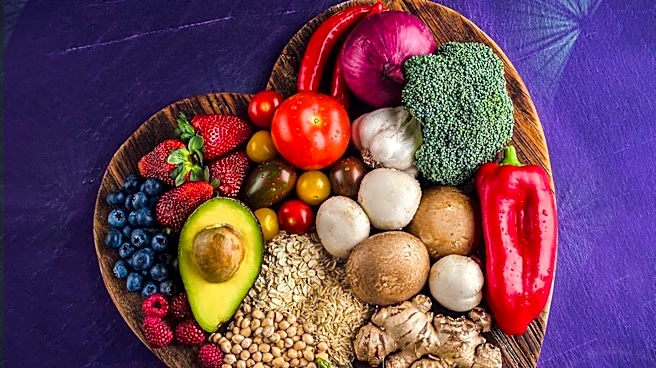

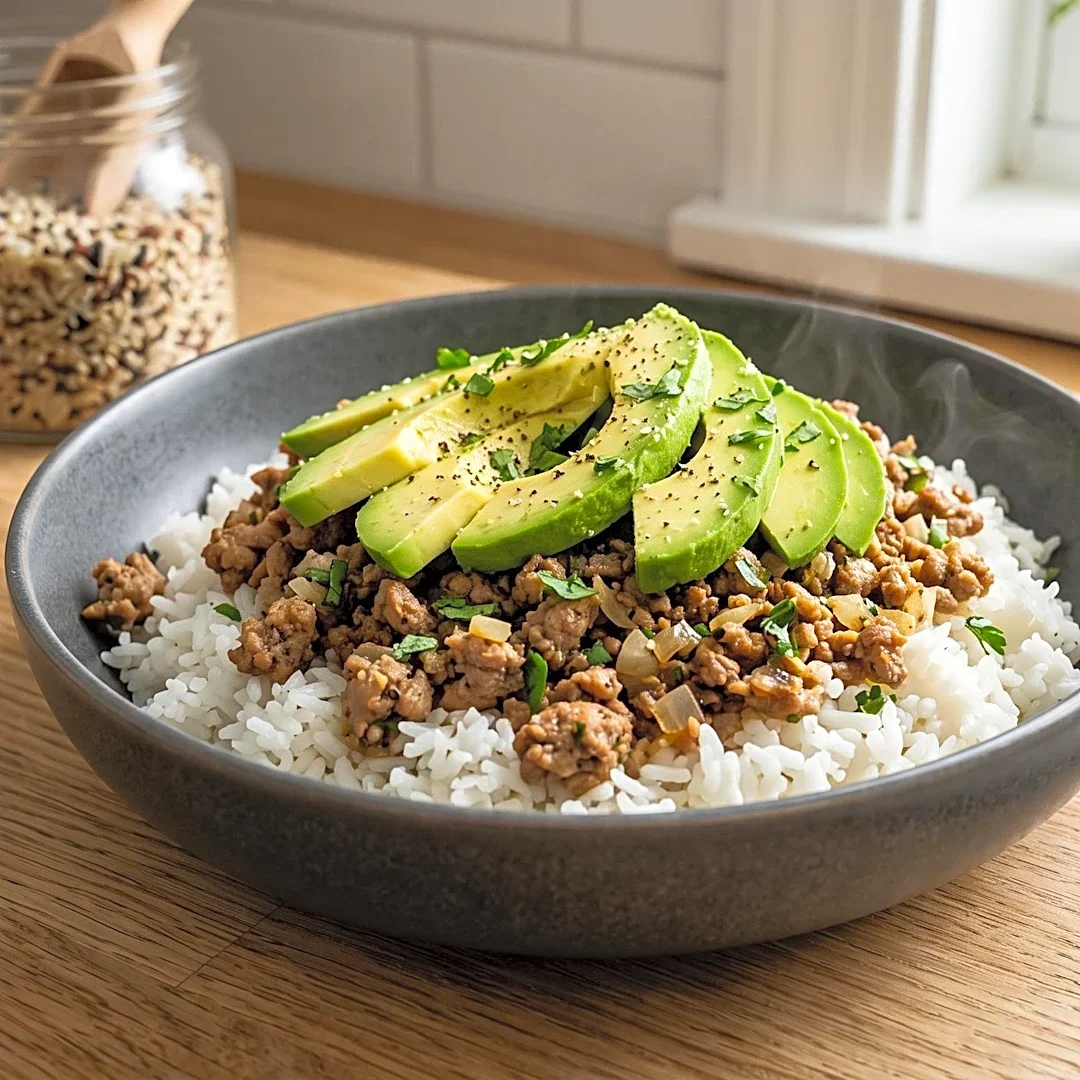






What's Happening?
Intuitive eating is gaining recognition as a supportive approach for various eating-related issues, moving away from restrictive dietary rules. This method encourages individuals to reconnect with their internal hunger and fullness cues, fostering a stronger
awareness of their body's signals. It is highlighted as a key component in healing disordered eating and is often guided by nutritionists. The practice is also linked with mindful eating, which research suggests can help reduce emotional eating and improve overall diet quality. For instance, the Japanese philosophy of 'hara hachi bu,' which advocates eating until 80% full, shares similar principles with intuitive eating by promoting moderation and awareness rather than strict restriction. This approach is seen as a gentle and sustainable way to support long-term health changes, potentially preventing weight regain often associated with traditional diet methods. However, it's noted that intuitive eating may not be suitable for everyone, particularly athletes, children, older adults, and those with specific nutritional needs.
Why It's Important?
The emphasis on intuitive eating signifies a shift in public health and wellness strategies, moving from rigid diet plans to more sustainable, body-centric approaches. This change is crucial for addressing the widespread issues of disordered eating and the negative impacts of diet culture. By promoting a stronger connection to internal hunger and satiety cues, intuitive eating can empower individuals to make healthier food choices based on their body's needs, rather than external rules or societal pressures. This can lead to a reduction in emotional eating, improved diet quality, and better long-term health outcomes. The integration of intuitive eating into treatment plans for conditions like eating disorders in men further underscores its therapeutic value. This approach also challenges the conventional focus on weight loss as the sole measure of health, instead prioritizing overall well-being and a balanced relationship with food. The market for weight management nutrition is also evolving, with a growing need for behavior-shaping solutions that support changing dietary behaviors, especially for individuals using appetite-suppressing medications, where intuitive eating might become more challenging without guidance.
What's Next?
The growing recognition of intuitive eating suggests a continued integration of its principles into mainstream health and wellness programs. Nutritionists and dietitians are likely to increasingly incorporate intuitive eating strategies into their practices, offering personalized guidance to individuals seeking to heal their relationship with food. Educational initiatives promoting mindful eating and body awareness are also expected to expand, helping a broader audience understand and adopt these practices. Furthermore, as the weight management nutrition market evolves, there will likely be an increased demand for adaptive and modular nutrition solutions that can support individuals in navigating their dietary behaviors, especially those using medications that affect appetite. Digital and AI-enabled platforms may also play a larger role in enhancing personalization through meal tracking, nutrient analysis, and behavioral insights, all while aligning with the core tenets of intuitive eating. Continued research into the long-term effectiveness and broader applications of intuitive eating across diverse populations will also be crucial in shaping future health recommendations.
Beyond the Headlines
The rise of intuitive eating reflects a deeper cultural shift towards self-compassion and holistic well-being, moving away from the often-damaging narratives of diet culture. This approach encourages individuals to challenge societal 'shoulds' around eating and to develop a more trusting relationship with their bodies. It highlights the psychological and emotional dimensions of eating, recognizing that food is not just fuel but also intertwined with feelings, stress, and self-perception. By focusing on internal cues rather than external restrictions, intuitive eating can foster a sense of 'food freedom' and reduce the mental burden associated with constant dieting. This paradigm shift has ethical implications, promoting body neutrality and rejecting the idea that one's worth is tied to their body size or eating habits. It also encourages a more critical examination of how modern lifestyles, including constant digital distractions during meals, can disconnect individuals from their natural hunger and satiety signals, underscoring the need for greater mindfulness in daily life.