


What's Happening?
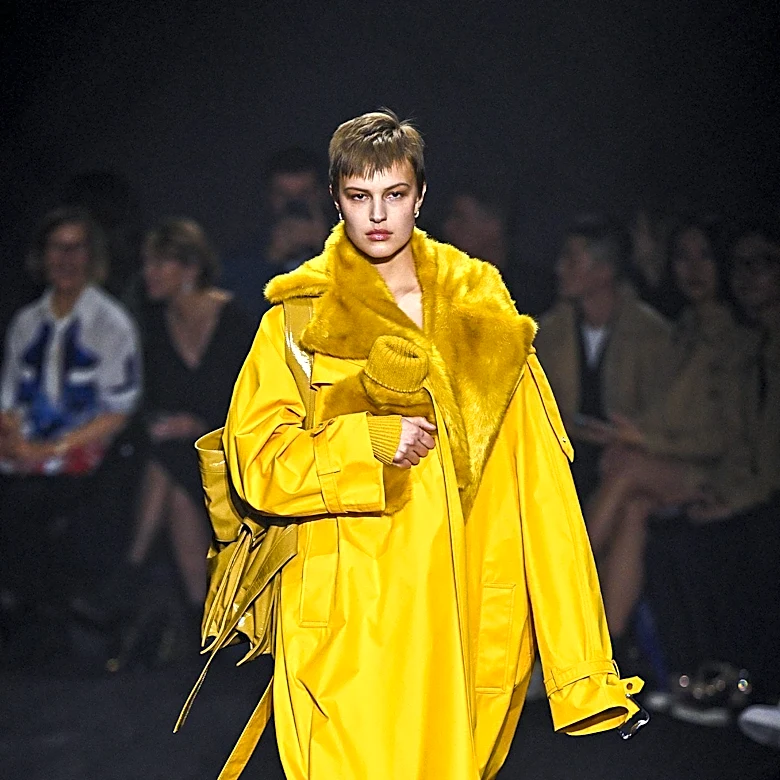
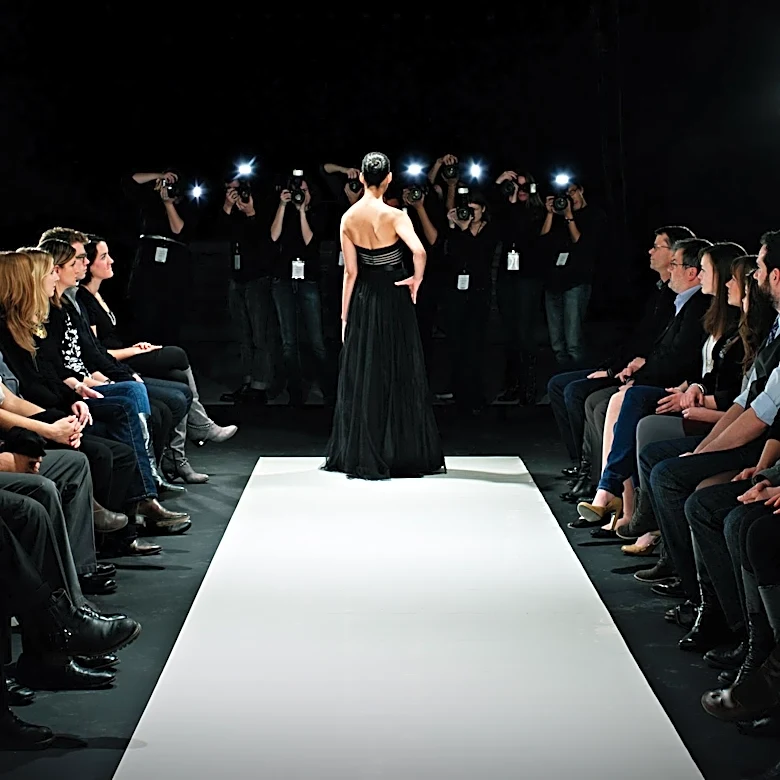
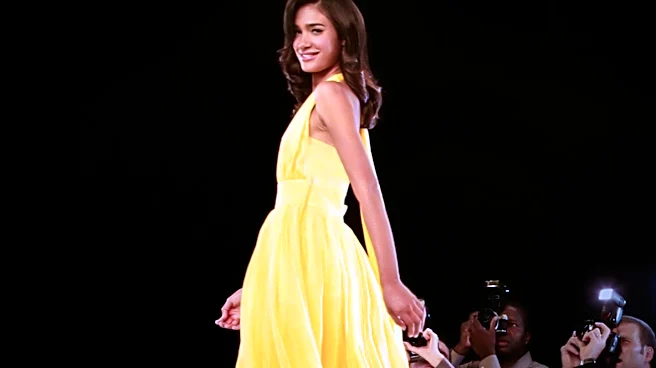
Shanghai Fashion Week's Spring/Summer 2027 collections, held from October 8 to 16, showcased a blend of international influences and distinctive Chinese design. The event featured over 80 runway shows and presentations from established and emerging designers.
A prominent trend observed was the continued influence of Y2K styling, particularly in the form of reworked cargo clothing. Designers softened the traditional utilitarian character of cargo pieces through unexpected fabric combinations and styling, moving them beyond purely functional wear. Examples included Avvenn pairing an olive cargo skirt with a lace-trimmed camisole, and Xu Zhi combining wide khaki shorts with a mint puff-sleeved top. This approach transformed familiar cargo shapes into more decorative looks, creating a contemporary contrast between practical pockets and delicate details. Other key directions included bloomers moving into everyday wear, exaggerated hip proportions, pastel colors, and underwear as outerwear.
Why It's Important?
The trends emerging from Shanghai Fashion Week SS27, particularly the reinterpretation of Y2K cargo dressing, signal a broader shift in global fashion. For U.S. consumers and retailers, this indicates a potential resurgence and evolution of Y2K aesthetics, moving towards more refined and versatile interpretations. The emphasis on combining utilitarian elements with delicate details could influence upcoming collections in the U.S. market, offering new avenues for product development and merchandising. The focus on comfort and practicality, as seen in the adaptable nature of cargo wear, aligns with ongoing consumer preferences for functional yet stylish apparel. This trend also highlights the growing influence of Chinese designers on the international fashion scene, suggesting that U.S. brands and buyers will increasingly look to these markets for inspiration and collaboration, impacting design philosophies and supply chains.
What's Next?
The trends identified at Shanghai Fashion Week SS27 are likely to permeate global fashion cycles, influencing upcoming collections in the U.S. market. Consumers can anticipate seeing more refined cargo styles, potentially integrated with feminine details and diverse fabrications, in retail stores. Designers and brands in the U.S. may draw inspiration from these runway presentations, adapting the Y2K aesthetic to suit American tastes and market demands. This could lead to new product lines featuring updated cargo silhouettes, pastel color palettes, and innovative layering techniques. The continued exploration of comfort and versatility in fashion, as demonstrated by the reworked cargo trend, suggests that these elements will remain central to consumer purchasing decisions in the near future. Fashion forecasters will be closely watching how these trends translate into mainstream retail and consumer adoption.
Beyond the Headlines
The re-emergence and reinterpretation of Y2K fashion, particularly cargo dressing, reflects a cyclical nature of trends but also a deeper cultural re-evaluation of comfort and utility. This trend moves beyond simple nostalgia, integrating practical garments into more sophisticated and diverse wardrobes. It challenges traditional notions of gendered clothing by offering feminine updates to historically masculine or utilitarian pieces. This development could signify a broader cultural shift towards blurring lines between casual and formal wear, and a greater acceptance of comfort-driven fashion in various settings. Furthermore, the growing prominence of Shanghai Fashion Week underscores the increasing globalization of fashion, where trends are no longer solely dictated by traditional Western fashion capitals, leading to a more diverse and inclusive global fashion dialogue. This could foster greater cross-cultural exchange in design and consumer preferences.