



What's Happening?
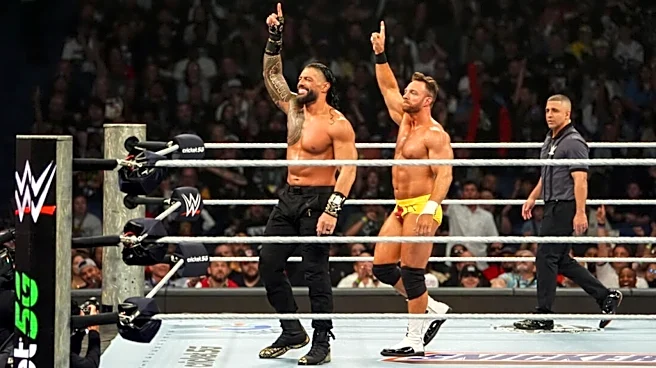
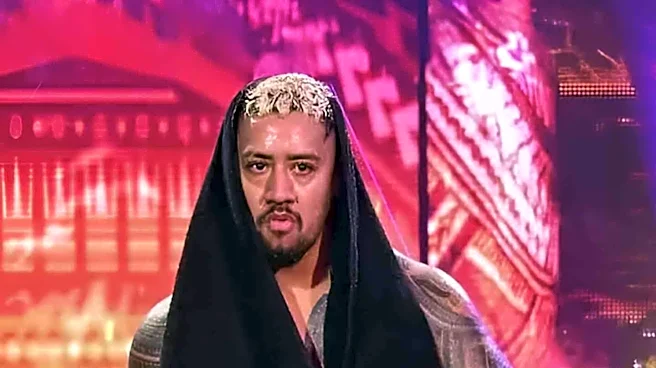
During the October 26, 2026, episode of WWE RAW, a promotional video featuring Solo Sikoa in the foreground with Roman Reigns and The Usos in the background sparked widespread speculation among viewers. Many on social media believed the segment utilized
a green screen or AI-generated effects, citing an 'off' appearance. A quote-tweet from @KXNGAO, questioning if Roman and The Usos were actually present, garnered significant attention with approximately 9,700 likes and over 500,000 views. Other users echoed these sentiments, describing it as the 'worst green screen segment' or questioning the use of green screen for Roman's 'appearance.' However, Corey Brennan of Fightful.com quickly shut down this speculation. Brennan clarified that the promo was taped during the previous week's RAW when Roman Reigns was indeed at the show. He suggested that the perceived 'off' look was likely due to the framing and lens used during filming, rather than any advanced digital manipulation like green screen or AI.
Why It's Important?
This incident highlights the growing public awareness and skepticism surrounding visual media, particularly with the advancements in AI and digital effects. In an era where deepfakes and sophisticated visual manipulations are increasingly common, audiences are quick to question the authenticity of on-screen presentations. For WWE, maintaining the authenticity of its product, even in pre-taped segments, is crucial for fan engagement and the suspension of disbelief inherent in professional wrestling. The rapid spread of speculation on social media demonstrates the power of collective online interpretation and the speed at which narratives can form, even if incorrect. The swift debunking by a reputable wrestling journalist like Corey Brennan is vital in controlling misinformation and reassuring fans about the production integrity of major entertainment broadcasts. It also underscores the challenges media producers face in ensuring visual clarity and avoiding unintentional visual cues that can lead to misinterpretation.
What's Next?
While the immediate speculation has been debunked, this event may prompt WWE's production team to review their filming and editing techniques for promotional segments, especially those involving multiple talent members or specific visual effects. They might aim for clearer visual cues or more traditional framing to avoid similar misinterpretations in the future. For fans, this serves as a reminder to critically evaluate social media claims and seek out verified information from reliable sources. The broader trend of questioning visual authenticity in media is likely to continue, pushing entertainment companies to be more transparent or meticulous in their production processes. This incident could also contribute to ongoing discussions within the wrestling community about the use of technology in presentation and how it impacts the fan experience and perception of reality within the kayfabe world of professional wrestling.
Beyond the Headlines
This situation touches upon the broader societal impact of advanced digital technologies like AI and green screen. As these tools become more sophisticated and accessible, the line between reality and digital fabrication blurs, leading to increased public scrutiny and distrust of visual content. This 'post-truth' environment challenges media producers to not only create compelling content but also to ensure its perceived authenticity. For the entertainment industry, this means a heightened need for transparency or, conversely, a mastery of digital effects so seamless that they go unnoticed. The rapid spread of the 'green screen' theory, despite being incorrect, illustrates how easily public perception can be swayed by visual anomalies and pre-existing biases about digital manipulation. It underscores the importance of media literacy for audiences and responsible reporting from journalists to counter misinformation in the digital age.