







What's Happening?
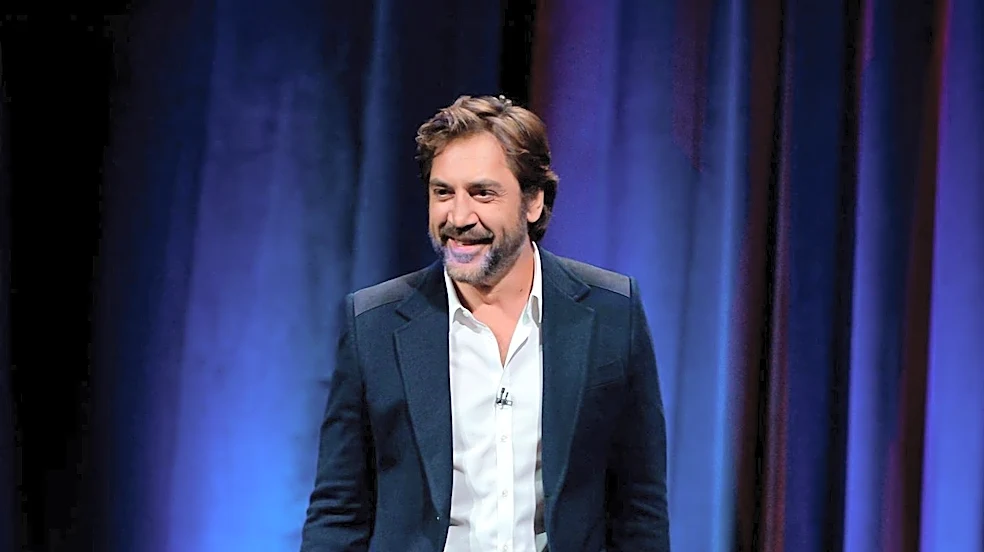
Production has commenced on 'Néstor,' a feature documentary exploring the life and legacy of the renowned Spanish cinematographer Néstor Almendros. Oscar-winning actor Javier Bardem is set to narrate the film, performing words written by Almendros during
his lifetime. The documentary is a Spanish-American co-production, with J.A. Bayona producing alongside Laurent Bouzereau, Belén Atienza, Markus Keith, and Óscar Romagosa. Laurent Bouzereau, known for documentaries like 'Natalie Wood: What Remains Behind,' will direct 'Néstor.' The screenplay was penned by Esteve Riambau and Josep Maria Civit, who also serves as the cinematographer. Almendros, a pivotal figure in Spanish and European film history, was the first Spaniard to win an Oscar for Best Cinematography in 1978 for 'Days of Heaven.' His credits also include 'Kramer vs. Kramer' and 'The Blue Lagoon,' and he collaborated with European auteurs such as François Truffaut and Éric Rohmer. The film aims to reclaim Almendros as an artist who transformed cinematic language and a man who championed freedom.
Why It's Important?
This documentary is significant for the U.S. film industry as it highlights the enduring legacy of Néstor Almendros, whose work profoundly influenced Hollywood. Almendros's contributions to major American films like 'Kramer vs. Kramer' and 'Days of Heaven' demonstrate the critical role international talent plays in shaping U.S. cinema. Javier Bardem's narration adds a layer of prestige and accessibility, drawing wider attention to Almendros's artistic and personal struggles, including his experiences with political repression and his advocacy for LGBTQ+ rights. For American audiences and filmmakers, 'Néstor' offers a valuable historical perspective on cinematography and the intersection of art, politics, and identity. It underscores the global nature of cinematic innovation and the importance of recognizing the diverse influences that have shaped contemporary filmmaking practices in the U.S.
What's Next?
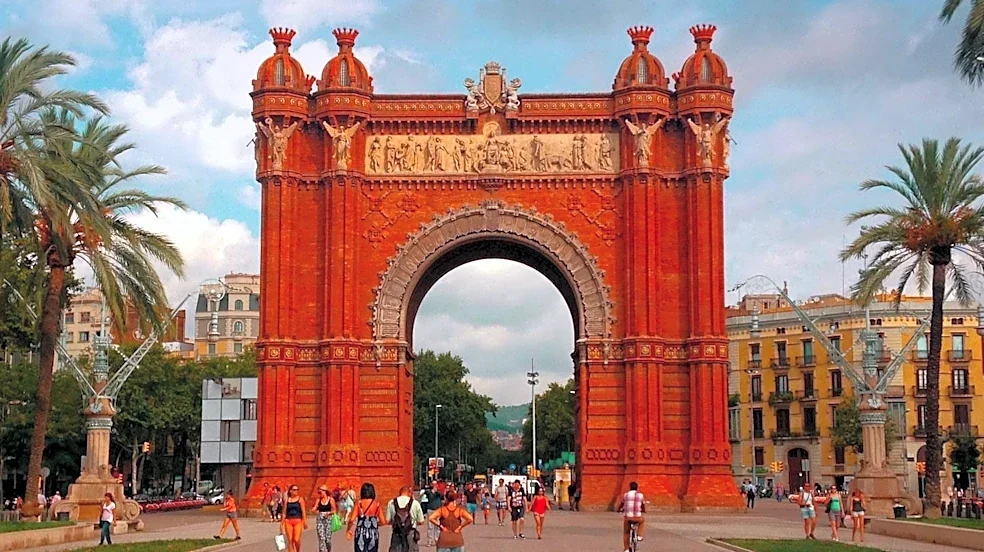
Production for 'Néstor' is scheduled to take place over several months in key locations from Almendros's life, including Barcelona, Paris, London, New York, and Cuba. This extensive filming schedule suggests a comprehensive exploration of his journey and impact. Once completed, the documentary will likely be screened at international film festivals, potentially gaining distribution in the U.S. and other markets. Javier Bardem's involvement as narrator is expected to generate significant interest, attracting both film enthusiasts and those interested in the intersection of art and social justice. The film's focus on Almendros's advocacy for LGBTQ+ rights could also spark discussions and further awareness within civil society groups and the broader public, particularly in the U.S., where such topics are increasingly prominent in cultural discourse.
Beyond the Headlines
The documentary 'Néstor' delves into deeper implications beyond a mere biographical account. Almendros's life, marked by exile from Franco's dictatorship and persecution under Castro's regime for his homosexuality, reflects broader themes of artistic freedom, political oppression, and identity. His journey from Cuba to Paris, where he found artistic liberation within the Nouvelle Vague, highlights the transformative power of art in challenging societal norms. The film's intention to portray Almendros as a defender of freedom and LGBTQ+ rights resonates strongly in contemporary discussions about human rights and inclusivity. This narrative offers a powerful commentary on the courage required to pursue artistic expression and personal authenticity in the face of adversity, providing a timeless message that transcends geographical and cultural boundaries, particularly relevant in the ongoing global dialogue about human rights and artistic integrity.