




What's Happening?
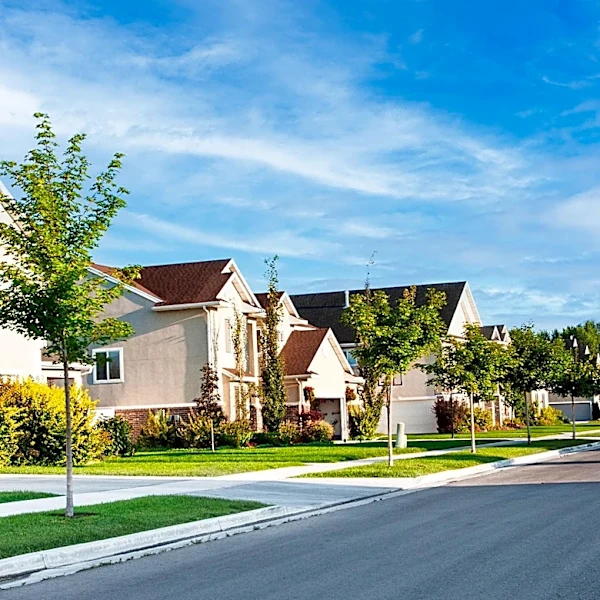
Metal roofing is emerging as a popular eco-friendly alternative to traditional asphalt shingles in the U.S. The Environmental Protection Agency (EPA) reports that asphalt shingles contribute significantly to construction and demolition debris, with over
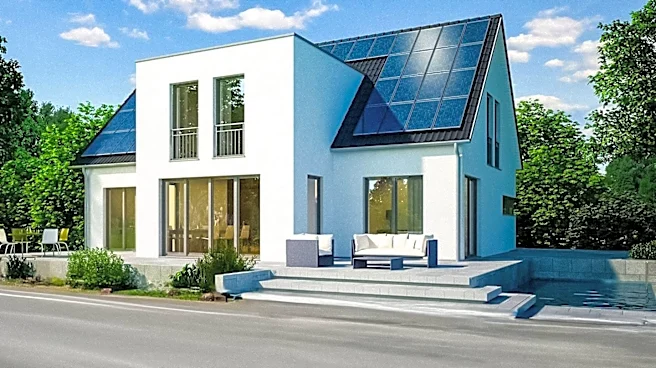
13 million tons generated annually. Metal roofs, which have a lifespan of 40 to 70 years, offer a more sustainable option as they are fully recyclable and require less frequent replacement. Homeowners are increasingly choosing metal roofs for their durability, fire resistance, and energy efficiency, particularly in areas prone to wildfires and extreme weather conditions.
Why It's Important?
The shift towards metal roofing reflects a growing awareness of environmental sustainability in the construction industry. As climate concerns intensify, homeowners are seeking building materials that reduce environmental impact and offer long-term benefits. Metal roofs not only decrease landfill waste but also provide energy savings by reflecting sunlight and reducing cooling costs. This trend could influence broader changes in building practices, encouraging the adoption of sustainable materials and technologies across the industry, ultimately contributing to reduced carbon footprints and enhanced resilience to climate change.
What's Next?
As the demand for metal roofing continues to rise, manufacturers and contractors may need to adapt to meet the growing interest in sustainable building materials. This could lead to increased investment in research and development of new roofing technologies and materials that offer even greater environmental benefits. Additionally, policymakers might consider incentives or regulations to promote the use of eco-friendly roofing options, further accelerating the transition away from traditional asphalt shingles.