







What's Happening?
Professor Tim Spector is championing the daily consumption of fermented foods as a key strategy for improving gut health, moving beyond their status as a niche trend to a supermarket staple. He highlights popular options like kefir, kimchi, and kombucha,
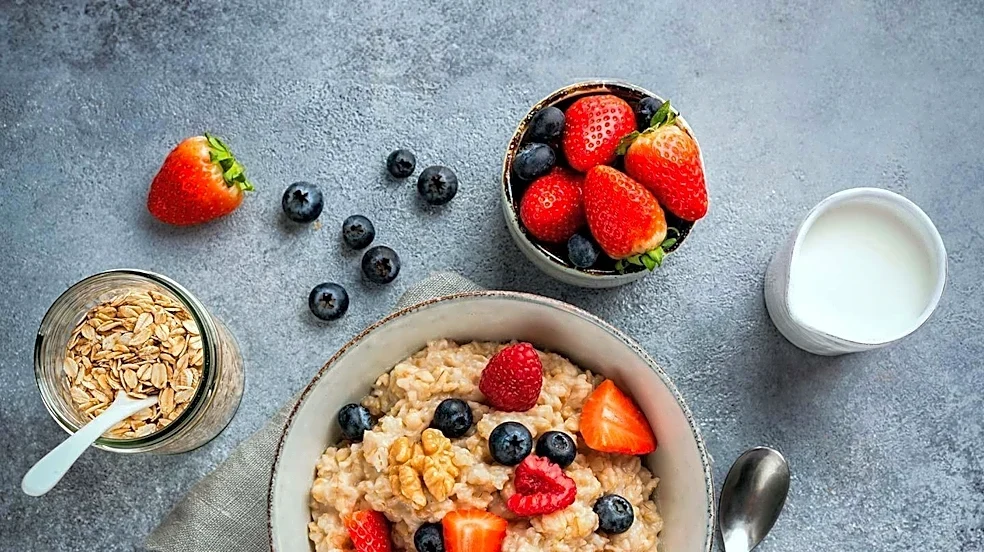
which are rich in beneficial bacteria. Spector emphasizes that incorporating these foods into daily meals is easier than many people think, even for those new to the concept. He suggests starting with breakfast, combining full-fat yogurt with milk kefir, and gradually introducing other ferments like sauerkraut or miso paste into lunch and dinner. Spector also encourages home fermentation, demonstrating simple methods like fermenting garlic in honey or making sauerkraut with just cabbage and salt. He notes the availability of vegan options for those who avoid dairy, such as coconut-based kefirs and yogurts.
Why It's Important?
Professor Spector's advocacy is significant because it demystifies fermented foods and makes their health benefits accessible to a broader audience. By providing practical, step-by-step advice for integration into daily meals, he addresses common barriers to adoption. His emphasis on the ease of home fermentation could spark a DIY movement, empowering individuals to produce their own gut-healthy foods, potentially reducing reliance on commercially processed options. This push for diverse fermented food consumption could lead to a more resilient and varied gut microbiome in the population, which is increasingly linked to overall health and disease prevention. For the food industry, Spector's influence could further drive demand for authentic, live-culture fermented products and inspire innovation in this sector.
What's Next?
Following Professor Spector's recommendations, consumers are likely to experiment more with incorporating fermented foods into their daily routines, starting with readily available options like yogurt and kefir, and potentially venturing into home fermentation. This could lead to an increased demand for starter cultures, fermentation equipment, and educational resources. Food retailers might expand their offerings of diverse fermented products, including more vegan and specialty options. There could also be a greater emphasis on transparent labeling, highlighting the live microbial content of products. Spector's work may also inspire further scientific research into the specific health impacts of various fermented foods and the optimal ways to consume them for maximum benefit.
Beyond the Headlines
Professor Spector's promotion of fermented foods taps into a deeper cultural shift towards preventative health and a more natural approach to diet. It challenges the modern reliance on highly processed foods and encourages a return to traditional food preparation methods that have sustained human health for centuries. The idea of 'training one's palate' for new, sour flavors, as Spector suggests, reflects a broader movement towards expanding culinary horizons and appreciating the complexity of natural tastes. Furthermore, his personal anecdotes about home fermentation, such as his 'blob' (SCOBY) for kombucha, humanize the science and make it relatable, fostering a sense of empowerment and connection to the food we eat. This movement could ultimately lead to a more food-literate society, where individuals are more engaged with the origins and processes behind their meals.