



What's Happening?
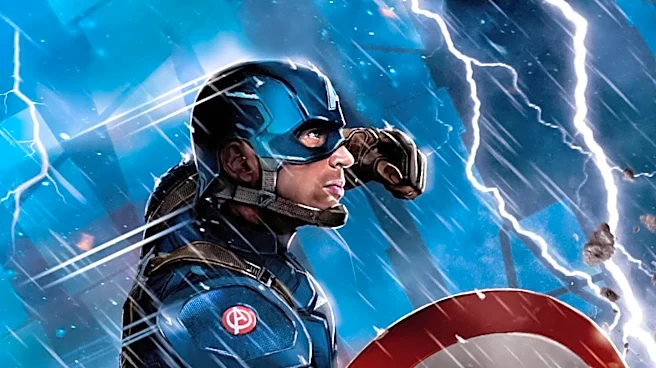
Chris Evans is set to return as Steve Rogers, also known as Captain America, in the upcoming Marvel Cinematic Universe film 'Avengers: Doomsday'. This development places Rogers as one of the three central 'emotional protagonists' of the movie, alongside
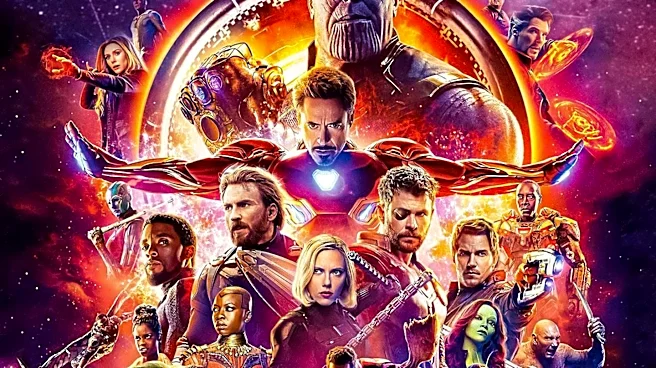
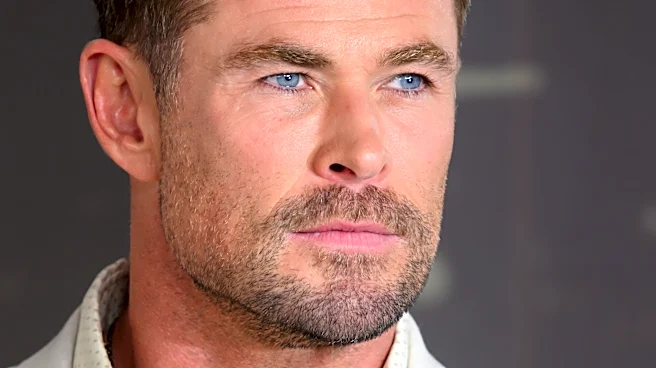
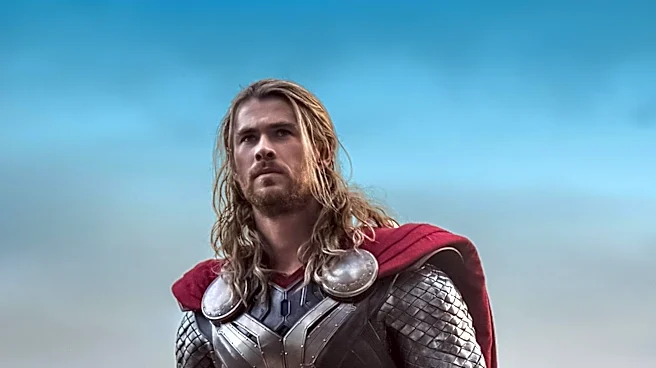
Doctor Doom (Robert Downey Jr.) and Thor (Chris Hemsworth). This trio is expected to drive the film's emotional narrative, similar to how Thanos served as the main emotional lead in 'Avengers: Infinity War'. The decision marks a significant return for Evans, whose character seemingly concluded his arc in 'Avengers: Endgame' by returning to the past to live a life with Peggy Carter and passing on the Captain America shield to Sam Wilson. Fans will witness the repercussions of Steve Rogers' past decisions as he is drawn back into the Avengers' latest adventure, suggesting a prominent role for the legacy MCU character. 'Avengers: Doomsday' is scheduled for release on December 18, 2026, with Joe and Anthony Russo directing.
Why It's Important?
The return of Chris Evans as Steve Rogers in a leading emotional role for 'Avengers: Doomsday' is significant for several reasons. It signals Marvel Studios' continued reliance on established, beloved characters to anchor its major cinematic events, even after previous films suggested a transition to a new generation of heroes. This strategy aims to leverage existing audience investment in characters like Steve Rogers and Thor, potentially ensuring strong box office performance and fan engagement. For the narrative, Rogers' return suggests that the consequences of his actions in 'Avengers: Endgame' will play a crucial role in the Multiverse Saga, potentially linking past events to the current conflict with Doctor Doom. This approach could deepen the interconnectedness of the MCU's timeline and character arcs, providing a sense of continuity and payoff for long-time viewers. However, it also raises questions about the development of newer characters who were expected to take on more central roles in the post-Infinity Saga era.
What's Next?
With Chris Evans reprising his role as Steve Rogers, the immediate next step for Marvel Studios will be to integrate his character's storyline seamlessly into the broader narrative of 'Avengers: Doomsday' and the Multiverse Saga. The film's release on December 18, 2026, will reveal how Rogers' past decisions directly influence the current conflict and his interactions with Doctor Doom and Thor. Audiences can anticipate further promotional material, such as trailers and interviews, that will likely highlight the emotional arcs of these three protagonists. The return of such a pivotal character also sets the stage for potential future appearances in 'Avengers: Secret Wars' in 2027, as the two films are designed as a two-part conclusion to the saga. Stakeholders, including fans and critics, will closely watch how Marvel balances the prominence of returning legacy characters with the development of newer heroes introduced in recent phases.
Beyond the Headlines
The decision to bring back Chris Evans as Steve Rogers in a central emotional role for 'Avengers: Doomsday' extends beyond simple fan service; it reflects a broader strategic choice by Marvel Studios regarding narrative continuity and audience engagement. This move highlights the challenge of evolving a long-running cinematic universe while retaining its core appeal. By re-emphasizing characters like Steve Rogers, Marvel is acknowledging the deep emotional connection audiences have with its foundational heroes, potentially at the expense of fully spotlighting newer characters. This could lead to a re-evaluation of how legacy characters are utilized in future phases, balancing nostalgia with the need for fresh storytelling. Ethically, it raises questions about the 'finality' of character arcs in shared universes, as seemingly definitive endings can be revisited, impacting the emotional weight of previous narrative conclusions. This approach could also influence other major franchises in Hollywood, demonstrating the perceived value of established intellectual property and beloved characters in driving cinematic success.