

What's Happening?
Studio apartment design is evolving to prioritize intentional zoning and multi-functional furniture to create spacious and organized living environments. The core development focuses on treating a single room as a collection of distinct, curated zones
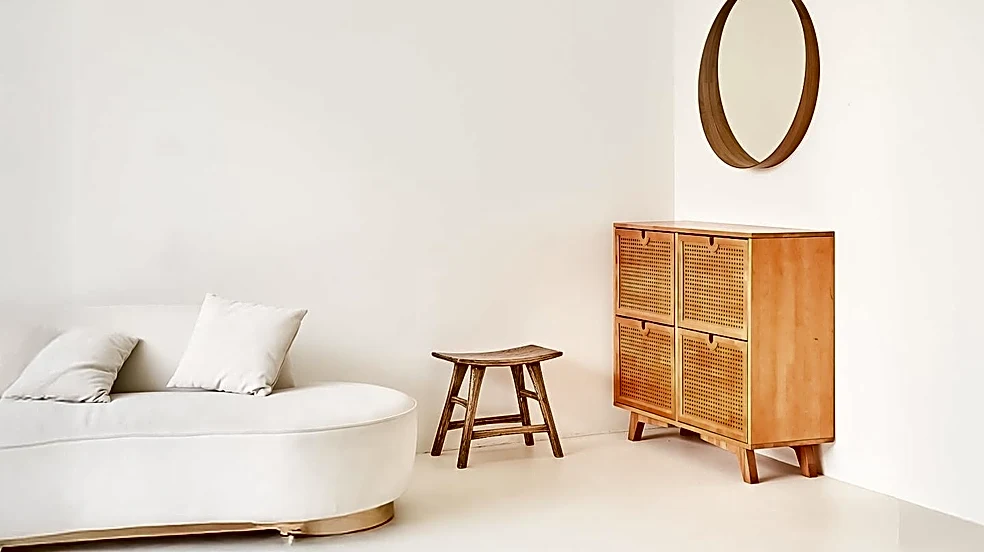
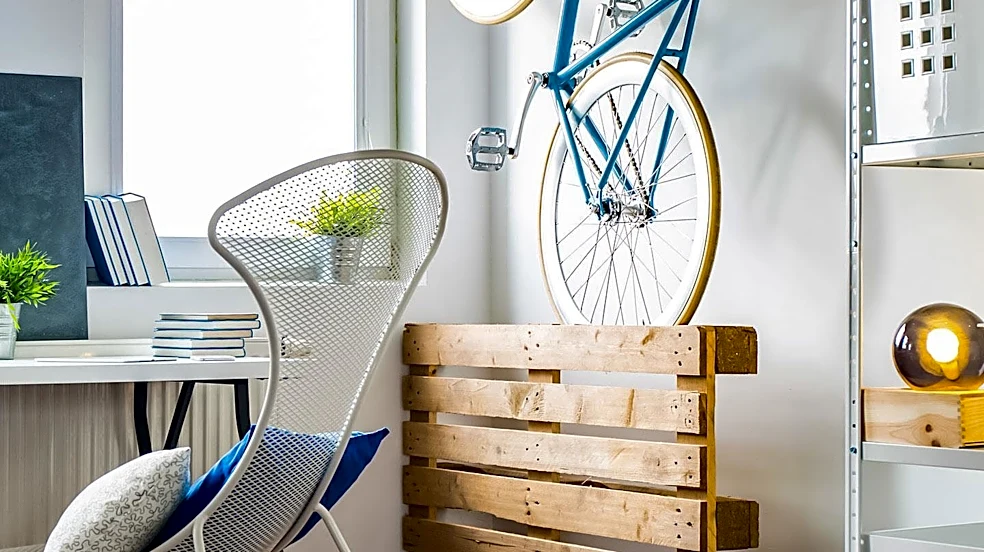
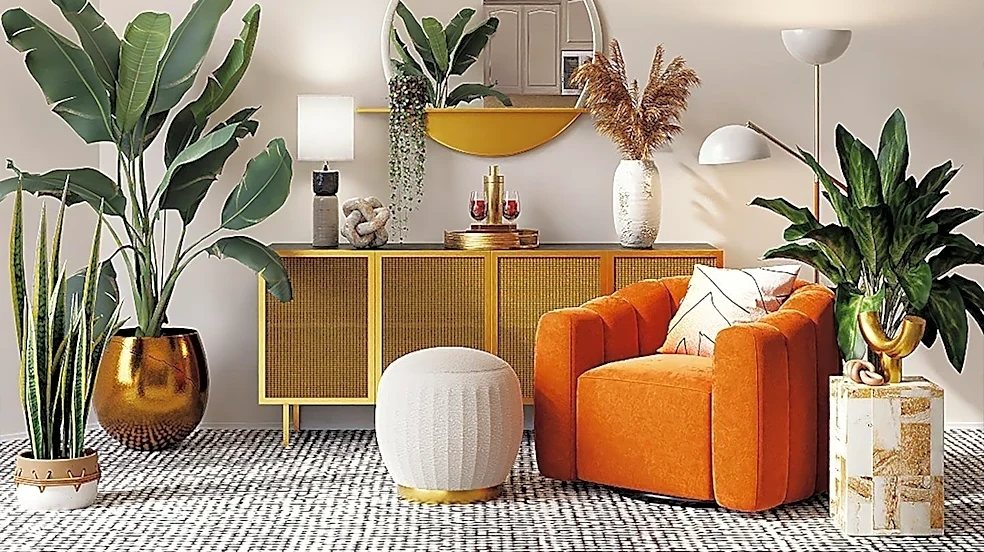
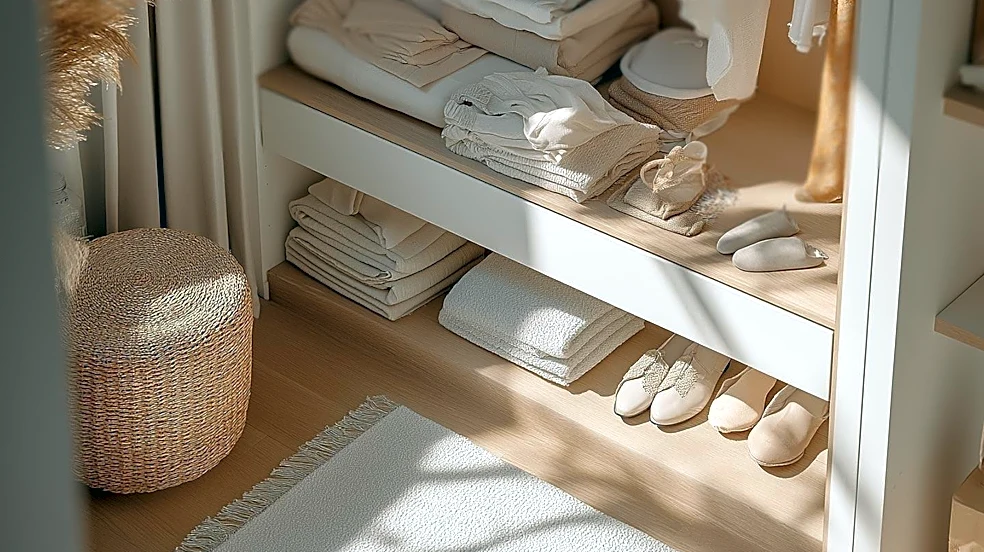
rather than a cluttered, undifferentiated space. Key strategies include using separate area rugs to define sleeping, dining, and lounging areas, and employing low-profile furniture dividers like console tables or open-backed bookshelves to subtly separate spaces without blocking natural light. Furniture choices lean towards 'leggy' designs with exposed, slender legs to create an illusion of continuous floor space, and transparent materials like glass or acrylic to maintain open sightlines. Additionally, designers are incorporating smart dual-purpose pieces such as storage benches, ottomans, and bed frames with built-in hydraulic storage to maximize utility and minimize clutter. Vertical storage solutions, like floating shelves mounted near the ceiling, are also being utilized to draw the eye upward and provide designated homes for everyday items, further contributing to a clean and airy aesthetic.
Why It's Important?
This shift in studio apartment design is important for several reasons, particularly in urban areas across the U.S. where smaller living spaces are becoming more common and desirable due to rising housing costs and a preference for city living. For residents, these design principles offer practical solutions to enhance comfort and functionality in limited square footage, improving overall quality of life. The emphasis on visual boundaries and multi-functional items helps combat the psychological impact of living in a single room, fostering a sense of order and spaciousness. For the real estate and interior design industries, these trends highlight a growing market for innovative, space-saving solutions and adaptable furniture. Developers and landlords can attract tenants by offering thoughtfully designed studio units that maximize utility and aesthetic appeal. Furthermore, the focus on neutral palettes and natural materials contributes to a serene and warm atmosphere, appealing to a broader demographic seeking calm and inviting home environments amidst busy urban lifestyles. This approach also encourages mindful consumption, as residents are prompted to select furniture and decor intentionally, reducing unnecessary clutter.
What's Next?
The future of studio apartment design will likely see continued innovation in modular and customizable furniture systems that seamlessly integrate into various living zones. Expect to see more technological advancements in smart home features that optimize space and functionality, such as hidden storage solutions activated by voice commands or automated room dividers. The demand for professional interior design services specializing in small spaces is also anticipated to grow, as more individuals seek expert guidance to maximize their compact homes. Furthermore, sustainable and eco-friendly materials will likely become more prevalent in studio apartment furnishings and decor, aligning with broader consumer trends towards environmental consciousness. As urban populations continue to expand, the principles of intentional zoning, multi-functional design, and clutter reduction will become even more critical, influencing architectural layouts and interior product development to create highly efficient and aesthetically pleasing small living spaces.
Beyond the Headlines
Beyond the immediate benefits of improved living conditions, this design philosophy for studio apartments reflects a broader cultural shift towards minimalism and intentional living in the U.S. It challenges the traditional notion that larger spaces equate to better living, instead promoting the idea that well-designed smaller spaces can offer a higher quality of life through efficiency and thoughtful curation. This trend has ethical implications by encouraging reduced consumption and a more sustainable lifestyle, as individuals are less likely to accumulate unnecessary possessions. Legally, it could influence building codes and zoning regulations to accommodate more flexible and innovative small-space residential developments. Culturally, it fosters a greater appreciation for design and functionality, transforming how people perceive and interact with their homes. The long-term shift could lead to a re-evaluation of urban planning, prioritizing compact, community-oriented living that reduces environmental impact and promotes a more connected, less consumer-driven society.