




What's Happening?
Hydroponic gardening is becoming increasingly accessible for beginners, with most new growers achieving their first harvest within 3 to 6 weeks. The primary factors for success are understanding and managing nutrient solution pH, ideally between 5.5 and 6.5,
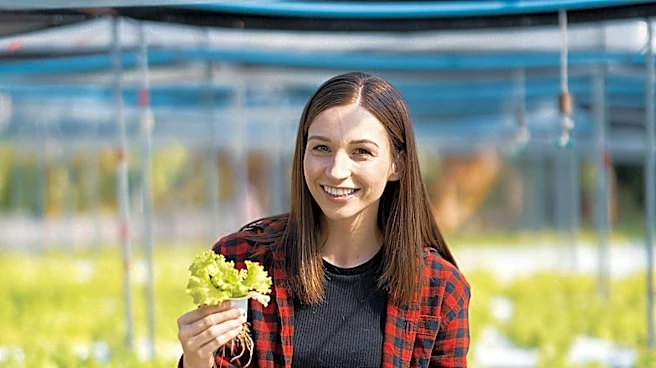
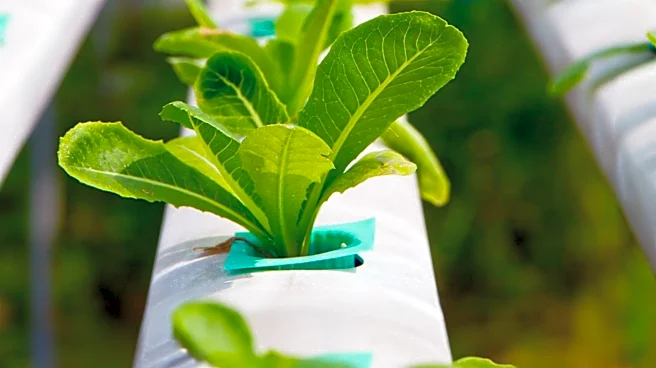
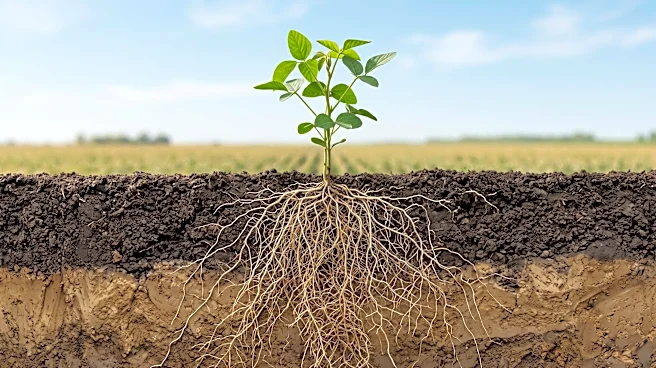
and ensuring consistent light duration of 14 to 16 hours daily for most leafy greens. Hydroponics involves growing plants in nutrient-enriched water instead of soil, offering greater control over the growing environment. This method reduces unknowns compared to outdoor gardening, making it beginner-friendly once core concepts are grasped. Common mistakes to avoid include neglecting pH drift, overfeeding nutrients, inconsistent lighting, starting with difficult crops, and skipping reservoir cleanings. Modern all-in-one systems are designed to simplify the process, often including built-in water reservoirs, pre-calibrated grow lights, and compatible seed pods.
Why It's Important?
The growing popularity and accessibility of hydroponic gardening have significant implications for food production and urban living. This method allows for faster plant growth, with some research cited by the USDA Agricultural Research Service indicating plants can grow up to 30% faster than in soil. This efficiency is particularly beneficial for apartment dwellers and busy households, enabling them to produce fresh food in limited spaces. Furthermore, hydroponic systems, especially closed-loop setups, use up to 98% less water than traditional soil farming, addressing concerns about water conservation. The ability to grow food indoors, independent of weather and season, enhances food security and offers a reliable alternative to conventional agriculture, reducing reliance on external factors and potentially lowering the carbon footprint associated with food transportation.
What's Next?
As hydroponic technology continues to advance, further simplification and automation of systems are expected, making it even easier for individuals to adopt this gardening method. The focus will likely remain on developing user-friendly systems that minimize the learning curve and reduce the time commitment for maintenance. Continued research into optimal nutrient solutions, light spectrums, and plant varieties suitable for hydroponics will enhance yields and expand the range of crops that can be grown. Educational resources and community initiatives promoting hydroponic gardening could also increase, fostering wider adoption and contributing to localized food systems. The integration of artificial intelligence in gardening systems, as seen with 'Rise Gardens AI,' suggests a future where smart technology assists growers in managing their hydroponic setups more effectively.
Beyond the Headlines
The rise of accessible hydroponic gardening points to a broader shift towards decentralized and sustainable food production. This method challenges traditional agricultural paradigms by demonstrating that food can be grown efficiently and with minimal resources in diverse environments, including urban settings and even space, as exemplified by NASA's Veggie project. Ethically, it raises questions about food sovereignty and the potential for individuals to control their food sources, reducing dependence on large-scale industrial agriculture. Culturally, it could foster a renewed connection to food production, even among those without access to traditional outdoor gardens. The long-term implications include a potential reduction in food waste due to localized production, a decrease in the environmental impact of food transportation, and the development of more resilient food systems capable of withstanding climate challenges and supply chain disruptions.