





What's Happening?
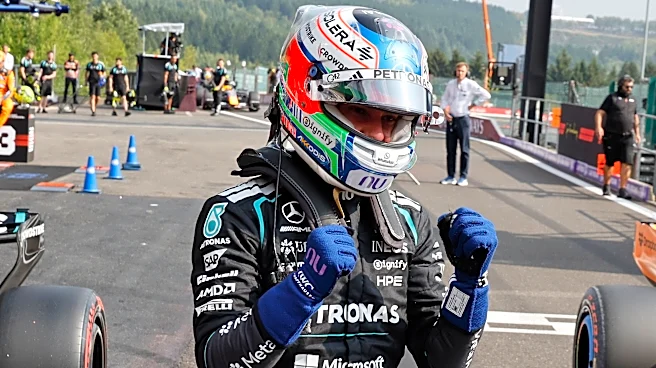
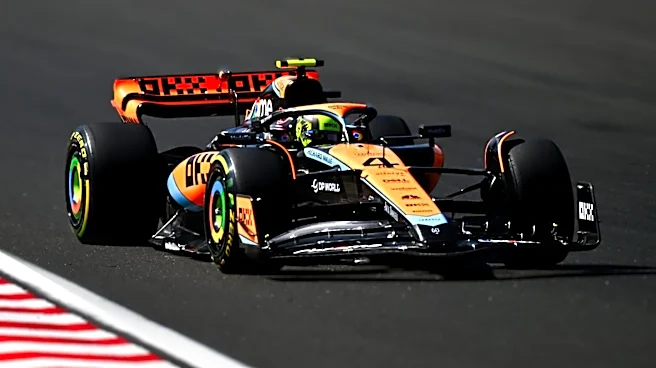
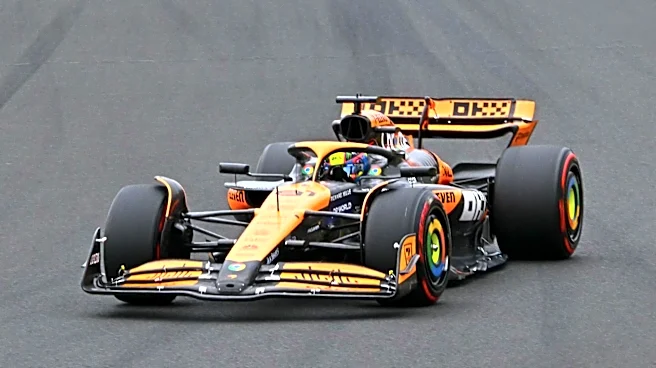
During the 2026 Belgian Grand Prix Qualifying at Circuit de Spa-Francorchamps, McLaren's Formula 1 team showed signs of improvement. Lando Norris qualified P3 but will start P13 due to a 10-place grid penalty for exceeding power electronics limits. Oscar
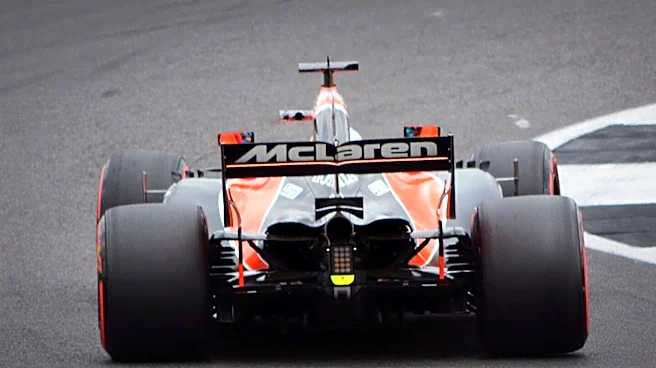
Piastri qualified P7, benefiting from Norris's penalty. The team introduced a new low-drag wing to enhance performance. Despite a gap to Mercedes, McLaren's performance marked progress. The session was incident-free until Lewis Hamilton's crash, which ended FP3 under yellow flags. McLaren's strategic decisions aim to capitalize on the race's overtaking potential.
Why It's Important?
McLaren's performance in the Belgian Grand Prix Qualifying is crucial as it reflects the team's ongoing efforts to close the gap with leading teams like Mercedes. The introduction of new aerodynamic components and strategic decisions regarding penalties highlight McLaren's focus on long-term competitiveness. The team's ability to adapt and improve could influence their standing in the Constructors' Championship. Additionally, the race provides an opportunity for McLaren to test their upgrades under competitive conditions, which could inform future developments and strategies.
What's Next?
Looking ahead, McLaren will focus on maximizing their race performance despite Norris's grid penalty. The team plans to implement further upgrades in upcoming races, aiming to enhance their competitiveness. The Belgian Grand Prix offers a chance to evaluate the effectiveness of recent changes and gather data for future improvements. McLaren's strategy will likely involve aggressive overtaking maneuvers to recover positions, leveraging the track's characteristics. The outcome of the race could impact McLaren's approach to the remainder of the season, influencing their development and race strategies.