






What's Happening?
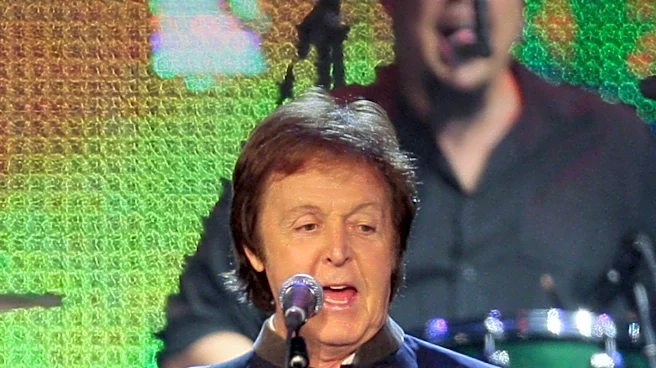
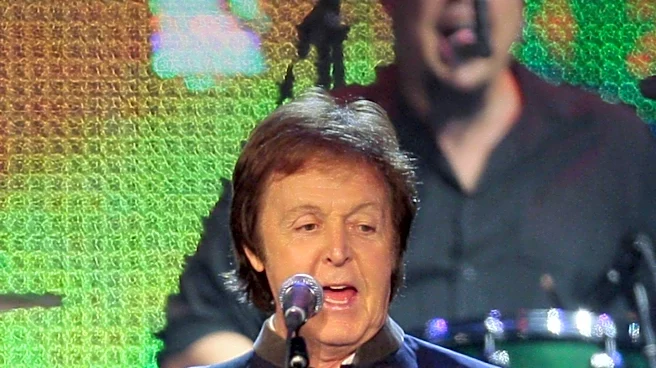
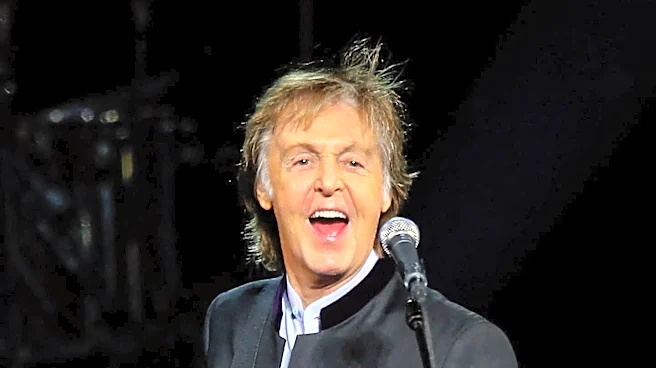
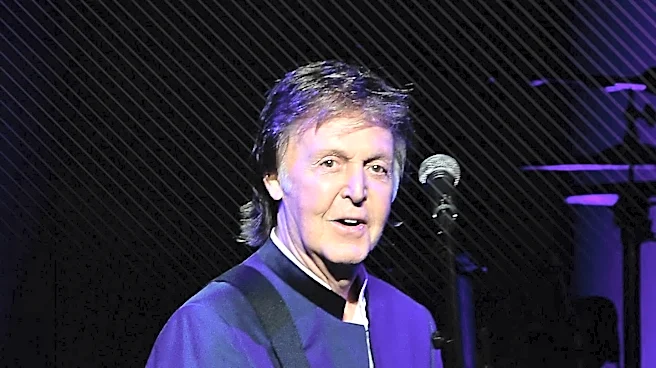
Paul McCartney, the legendary musician, has officially reached billionaire status with an estimated net worth of $1.4 billion, according to Forbes. This achievement places him as the third-richest musician globally, behind Taylor Swift ($2 billion) and
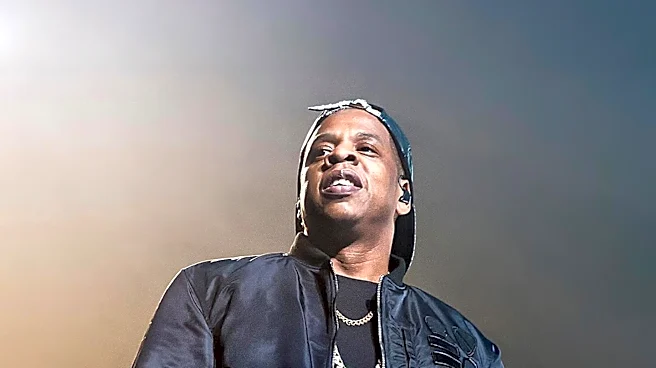
Jay-Z ($2.8 billion). McCartney's wealth accumulation spans six decades, stemming from his extensive music catalog, successful tours, strategic legal maneuvers, and an art collection. A significant portion of his fortune is attributed to MPL Communications, his publishing company established after The Beatles' disbandment. This company manages his own music catalog and includes acquired rights to works by artists like Buddy Holly, Broadway musical scores, and Christmas holiday standards, accounting for nearly 25% of his net worth. Additionally, McCartney receives 25% of The Beatles' earnings from Apple Corps, which generates $50 million annually from sales, streaming, and merchandise, and an estimated $10 million annually from his share of songwriting copyrights with The Beatles.
Why It's Important?
Paul McCartney's entry into the billionaire club highlights the enduring financial power of intellectual property in the music industry, particularly for artists with extensive catalogs and strategic business acumen. His success with MPL Communications demonstrates how artists can leverage publishing rights and acquisitions to build substantial wealth beyond their performance and recording careers. This trend underscores a broader shift in the music industry where ownership and management of music rights are increasingly valuable assets. For other musicians and industry stakeholders, McCartney's financial journey serves as a case study in long-term wealth creation through diversified income streams, including touring, real estate, and art. It also emphasizes the importance of artists gaining control over their creative output and business ventures, a lesson learned from the early financial challenges faced by The Beatles.
Beyond the Headlines
McCartney's financial success, particularly through his publishing company, underscores a critical aspect of artist empowerment and legacy building. By establishing MPL Communications, he not only secured control over his own work but also invested in the catalogs of other artists, ensuring a continuous revenue stream and preserving musical heritage. This proactive approach to intellectual property management contrasts sharply with the historical exploitation many artists faced, particularly in the early days of the music industry. His story also subtly highlights the generational wealth transfer and the evolving landscape of celebrity finance, where artists are increasingly becoming savvy entrepreneurs and investors. The valuation of his art collection and real estate further illustrates the diversification of assets among high-net-worth individuals, moving beyond traditional income sources to include tangible and intangible investments.