







What's Happening?
The concept of universal basic capital (UBC) is gaining traction as a potential solution to economic disruptions caused by artificial intelligence (AI). According to The Atlantic, UBC proposes giving individuals an ownership stake in AI-producing firms,
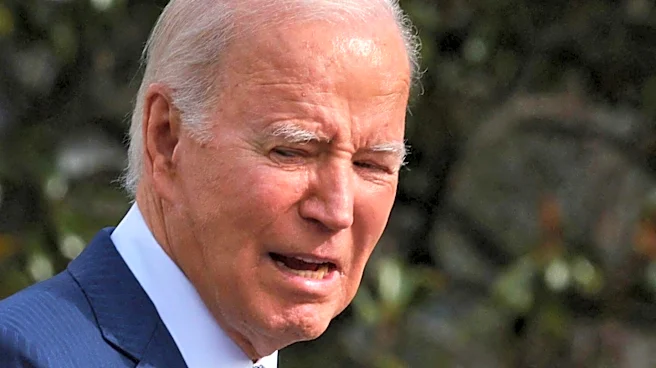
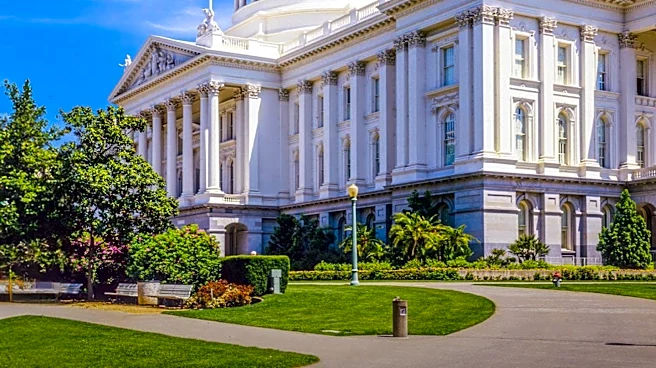
allowing them to share in the profits generated by automation. This idea has garnered support from a diverse group of political figures, including Bernie Sanders, Gavin Newsom, Steve Bannon, Sam Altman, and President Trump. The proposal is seen as a variant of universal basic income, aiming to distribute the economic benefits of AI more equitably. However, The Atlantic notes that the current version of the proposal may be inadequately designed and could lead to new challenges if implemented. The Trump administration has reportedly engaged in discussions with OpenAI about potential government equity in AI companies, and California Governor Gavin Newsom has signed an executive order to explore UBC implementation in the state.
Why It's Important?
The growing interest in universal basic capital reflects broader concerns about the economic impact of AI and automation. As AI technologies continue to advance, there is increasing anxiety about job displacement and the concentration of wealth among a small group of investors and company owners. UBC offers a potential mechanism to mitigate these effects by ensuring that the financial gains from AI are shared more widely. This could help address income inequality and provide a safety net for workers affected by automation. The support from a wide range of political figures suggests that UBC could become a significant policy discussion point, influencing future economic and labor policies in the U.S. However, the proposal's design and implementation will be crucial in determining its effectiveness and potential unintended consequences.
What's Next?
The next steps for universal basic capital involve further exploration and refinement of the proposal. California's executive order to study UBC implementation could provide valuable insights into its feasibility and potential impact. Additionally, ongoing discussions between the government and AI companies like OpenAI may lead to concrete policy proposals or pilot programs. As the debate continues, stakeholders from various sectors, including policymakers, business leaders, and labor organizations, will likely weigh in on the proposal's merits and challenges. The outcome of these discussions could shape the future of economic policy in the context of AI and automation.