


What's Happening?
The landscape of fitness is shifting towards more accessible and sustainable home-based routines, moving away from the traditional focus on extreme challenges and crowded gyms. A notable trend, 'cozy cardio,' exemplifies this by promoting low-pressure
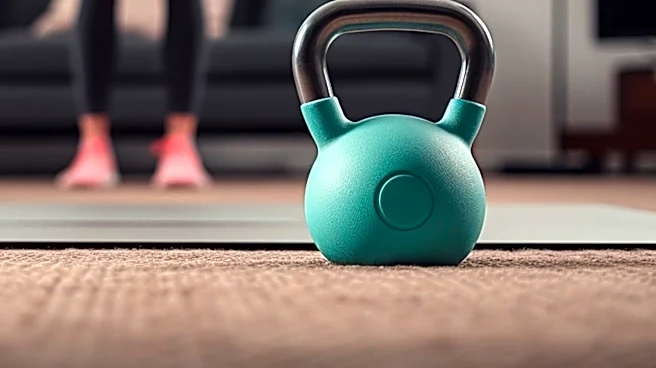
cardiovascular exercises performed at home, such as walking on a treadmill while watching TV or cycling indoors. This approach aims to make exercise enjoyable and easier to integrate into daily life, removing common barriers like commuting and equipment availability. Many effective home workouts do not require specialized equipment, relying instead on bodyweight exercises. The emphasis is on consistency and finding routines that fit an individual's schedule and preferences, rather than adhering to rigid, time-consuming gym commitments. This trend is particularly appealing to busy adults, parents, professionals, and seniors seeking to maintain an active lifestyle without significant disruption.
Why It's Important?
This shift in fitness culture has significant implications for public health and the fitness industry. By lowering the barrier to entry for exercise, more individuals may be encouraged to adopt and maintain physical activity, potentially leading to improved national health outcomes. For the fitness industry, it signals a need for greater innovation in home-based solutions, including personalized digital programs, adaptable equipment, and virtual coaching. Businesses that can cater to the demand for convenient, flexible, and enjoyable home workouts are likely to thrive. This trend also highlights a broader societal move towards integrating well-being into daily routines rather than viewing it as a separate, demanding endeavor. The focus on consistency over intensity can foster long-term adherence to exercise, which is crucial for combating sedentary lifestyles and related health issues.
What's Next?
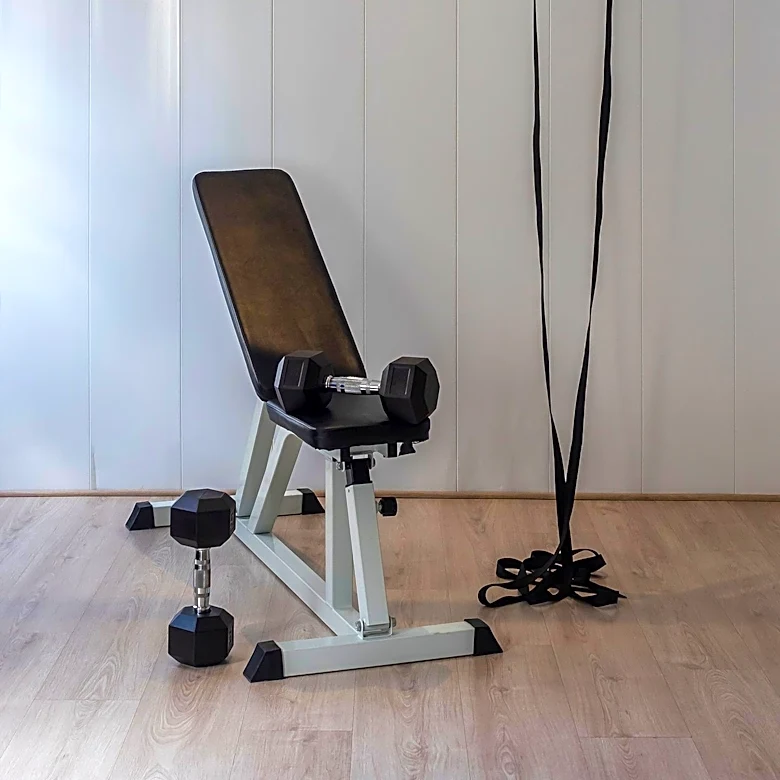
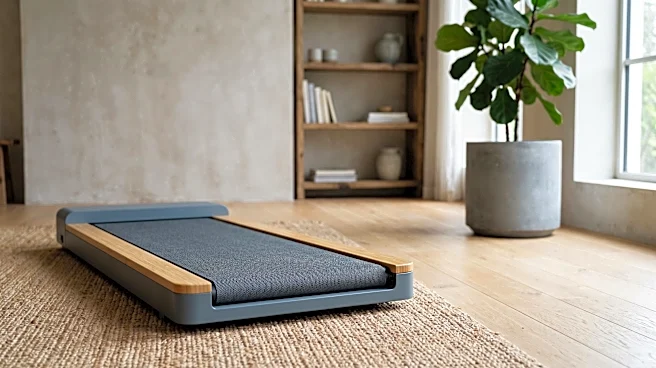
The continued evolution of home fitness is expected to see further integration of technology, such as AI-powered personal trainers and interactive workout platforms, to provide customized and engaging experiences. There will likely be an increased demand for versatile, space-saving exercise equipment that supports a variety of workouts without requiring a dedicated gym space. Fitness professionals may increasingly offer virtual coaching and personalized program design to cater to this growing market. Additionally, the concept of 'cozy cardio' and similar low-impact, enjoyable exercise methods could become more mainstream, influencing how public health campaigns promote physical activity. The industry will likely focus on developing solutions that help individuals build sustainable fitness habits by making exercise feel less like a chore and more like an integral, enjoyable part of their day.
Beyond the Headlines
The rise of home fitness and trends like 'cozy cardio' reflects a deeper cultural re-evaluation of productivity and well-being. It challenges the notion that exercise must be strenuous or time-consuming to be effective, promoting a more holistic view of health that values mental comfort and enjoyment alongside physical exertion. This shift could lead to a more inclusive fitness culture, where individuals of all fitness levels and lifestyles feel empowered to engage in physical activity. It also raises questions about the long-term impact on traditional gym models, potentially pushing them to adapt by offering hybrid memberships or more specialized, community-focused experiences. The emphasis on personalized, adaptable routines could also foster greater body positivity and self-acceptance, as individuals focus on their own progress and enjoyment rather than external ideals or competitive pressures.