


What's Happening?
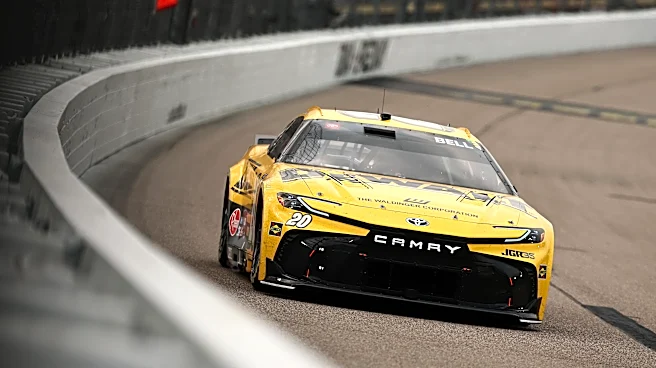
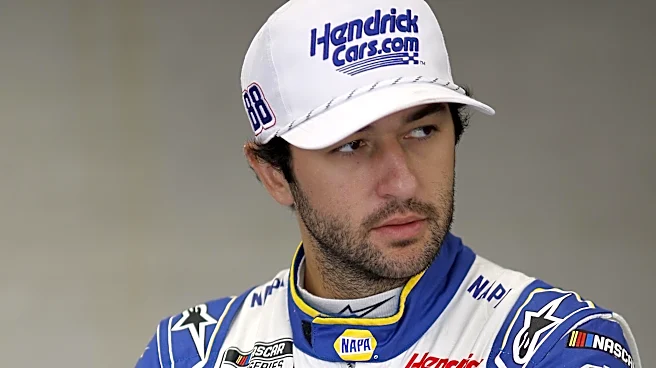
NASCAR driver Christopher Bell was involved in a significant crash at Michigan, an incident highlighted by Kevin Harvick and other commentators as one of the wildest wrecks of the year. The crash, which resulted in an injury to Bell's wrist, has reignited
discussions about the safety and performance of NASCAR's Next Gen car. While the Next Gen car has been praised for its safety features, such as energy-absorbing crash structures and improved impact protection, critics like Harvick argue that it compromises the quality of racing. The incident involving Bell underscores the ongoing debate within the NASCAR community regarding the balance between driver safety and competitive racing. Mamba Smith specifically pointed to Bell's Michigan crash as his 'wildest wreck of the year,' noting the severity of the impact and its potential to sideline Bell for the remainder of the season.
Why It's Important?
The discussion surrounding Christopher Bell's crash and the Next Gen car's performance is crucial for the future of NASCAR. The sport faces the challenge of ensuring driver safety while maintaining an exciting and competitive racing product. If the Next Gen car is perceived to hinder racing quality, it could impact fan engagement and viewership, which are vital for the sport's commercial success. Conversely, any perceived shortcomings in safety could deter drivers and raise concerns among sponsors and regulatory bodies. The incident also highlights the physical toll racing takes on drivers, even with advanced safety measures. The balance between innovation for safety and preserving the essence of racing is a delicate one, with significant implications for NASCAR's long-term viability and appeal.
What's Next?
NASCAR officials are expected to continue evaluating the Next Gen car's design and performance in response to ongoing feedback from drivers and incidents like Christopher Bell's crash. The sport has already introduced revisions, such as a modified short-track package and new Goodyear tires, but further refinements are anticipated. The debate over the car's weight, horsepower, aerodynamics, and tires will likely persist, pushing NASCAR to find solutions that satisfy both safety advocates and those who prioritize competitive racing. Future races and driver feedback will be critical in shaping these decisions, as the organization strives to optimize the racing experience while ensuring the well-being of its athletes.
Beyond the Headlines
The ongoing dialogue about the Next Gen car extends beyond immediate safety and performance concerns, touching upon the fundamental philosophy of motorsports. It raises questions about how technology should be integrated into a sport that thrives on human skill and daring. The tension between making racing safer and preserving its inherent risks is a complex ethical consideration. Furthermore, the economic implications for teams and manufacturers, who invest heavily in car development, are significant. The long-term impact on NASCAR's legacy and its ability to attract new generations of fans and drivers will depend on how effectively it navigates these multifaceted challenges, ensuring that the sport remains both thrilling and responsible.