




What's Happening?
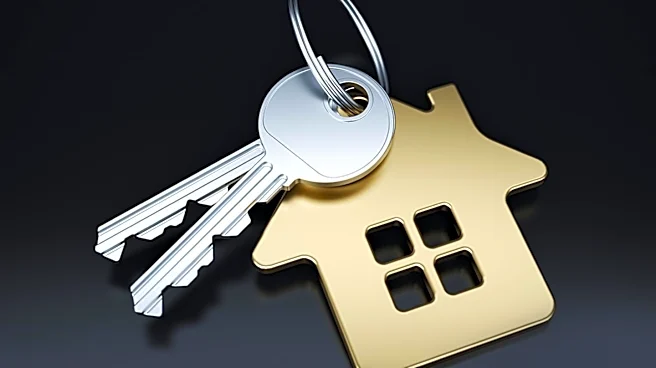
Thatch, a property management company operating under the Boston Real Estate Collaborative, has implemented an integrated system using RemoteLock and Streamline software to manage its diverse portfolio of short-term rental and co-living properties in Boston.
This portfolio includes historic brownstones in areas like Charles Street and Newberry Street, a Cambridge property from the 1840s, a new build in Fenway, and mid-century homes in South Boston. The company, with a team of 15, utilizes this technology to maintain a largely staff-less operational model. The integration allows Streamline, Thatch's central property management software, to automatically pass reservation details to RemoteLock, which then generates and sets access codes for guests based on check-in and check-out times. This automation eliminates the need for manual code changes and on-site staff for guest access, a significant departure from previous methods that required frequent physical visits to properties to update security codes. Sean Culkin, assistant operations manager at Thatch, highlighted that the system handles reservations and access without human input, saving considerable operational time.
Why It's Important?
This technological adoption by Thatch signifies a growing trend in the U.S. property management sector towards automation and staff-less operations, particularly in urban rental markets like Boston. For property management companies, this model offers substantial benefits in terms of efficiency and scalability. By reducing the need for a large on-site staff, companies can significantly lower operational costs, which can translate into more competitive pricing for renters or increased profit margins. The ability to manage a geographically dispersed and varied portfolio, from historic buildings to new constructions, with a small team demonstrates how technology can overcome traditional logistical challenges. This approach also enhances guest experience by providing seamless, automated access, catering to travelers who prioritize convenience over traditional hotel amenities. The success of Thatch's model could encourage other property management firms across the U.S. to invest in similar integrated smart access and property management solutions, potentially reshaping the labor market within the industry and setting new standards for operational efficiency.
What's Next?
Thatch is actively working with RemoteLock to further integrate Ecobee thermostat controls into their existing system, aiming to automate heating and cooling management for their units. This next step suggests a continued push towards a fully integrated smart property ecosystem, further reducing manual intervention and enhancing guest comfort. The company's success in handling a growing number of reservations—nearly 6,000 in 2024 and over 4,000 partway through the current year, without increasing headcount—indicates that this staff-less model is sustainable and scalable. Other property management companies are likely to observe Thatch's continued expansion of automation, potentially leading to wider adoption of similar technologies across the U.S. rental market. This could also spur innovation among technology providers to offer more comprehensive and integrated solutions for property managers, covering everything from access to climate control and beyond.
Beyond the Headlines
The shift towards staff-less property management, exemplified by Thatch, raises broader questions about the future of work in the service industry and the evolving relationship between technology and human labor. While it offers efficiency and cost savings, it also implies a reduction in traditional on-site roles, potentially impacting local employment. Furthermore, the reliance on integrated digital systems for security and access control in historic buildings highlights the ongoing challenge and opportunity of modernizing infrastructure while preserving architectural heritage. The ethical implications of data privacy and security in fully automated systems, especially concerning guest access logs and personal information, will become increasingly important as these models become more prevalent. This trend also underscores a cultural shift in consumer expectations, where convenience and seamless digital experiences are increasingly valued over traditional human interaction in service delivery, pushing industries to adapt to a more technologically driven customer base.