



What's Happening?
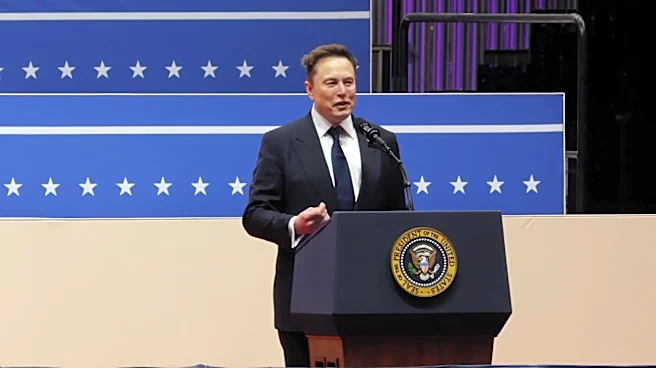
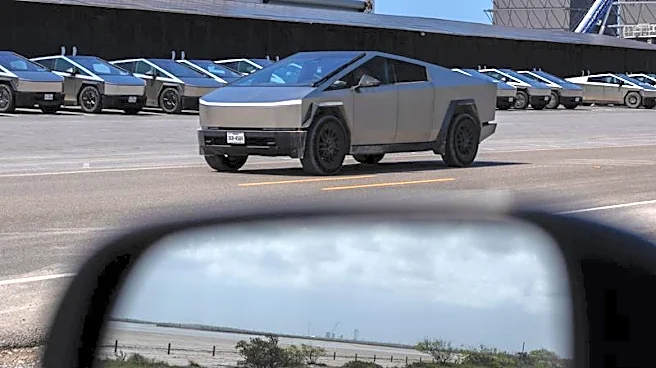
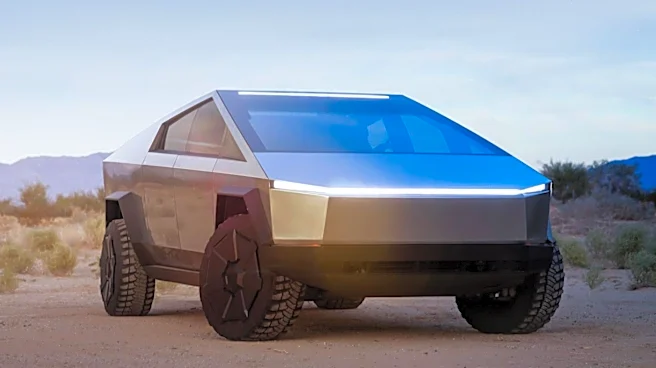
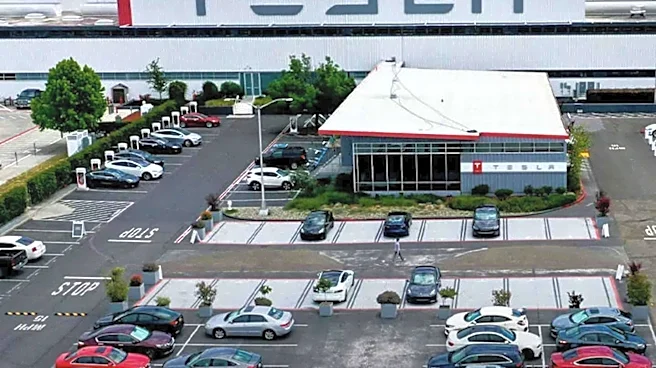
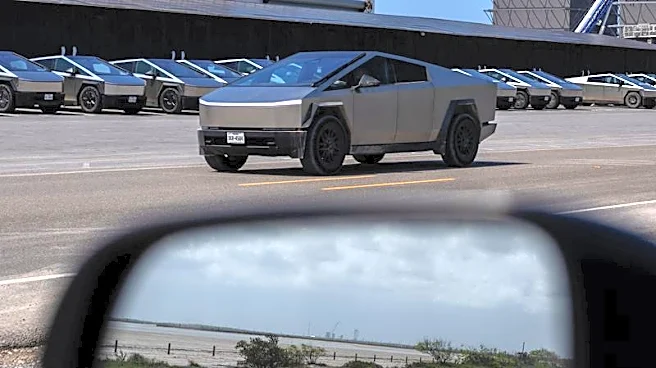
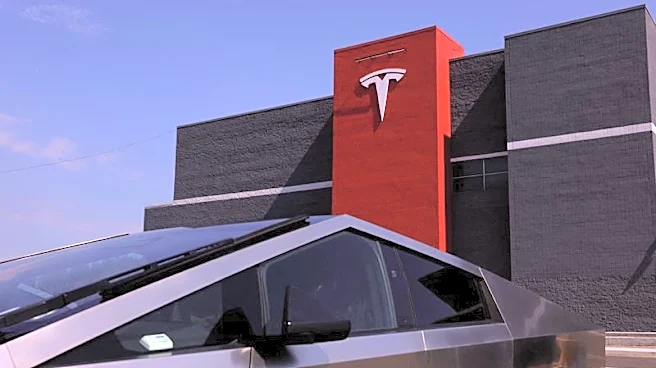
Tesla plans to cease Cybertruck production at its Texas factory in 2027 to make way for increased manufacturing of its autonomous Cybercab vehicles. Tesla chief executive Elon Musk announced this decision, though he did not specify if Cybertruck manufacturing would
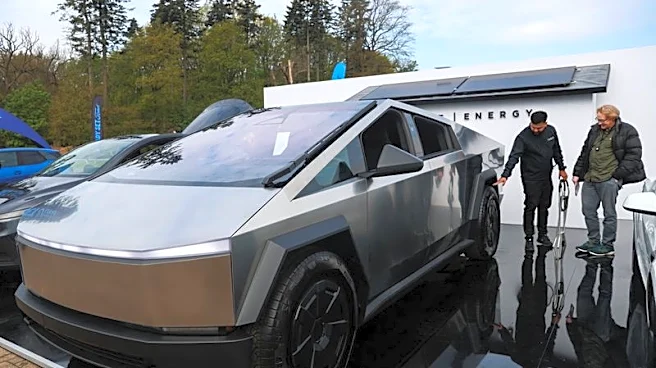
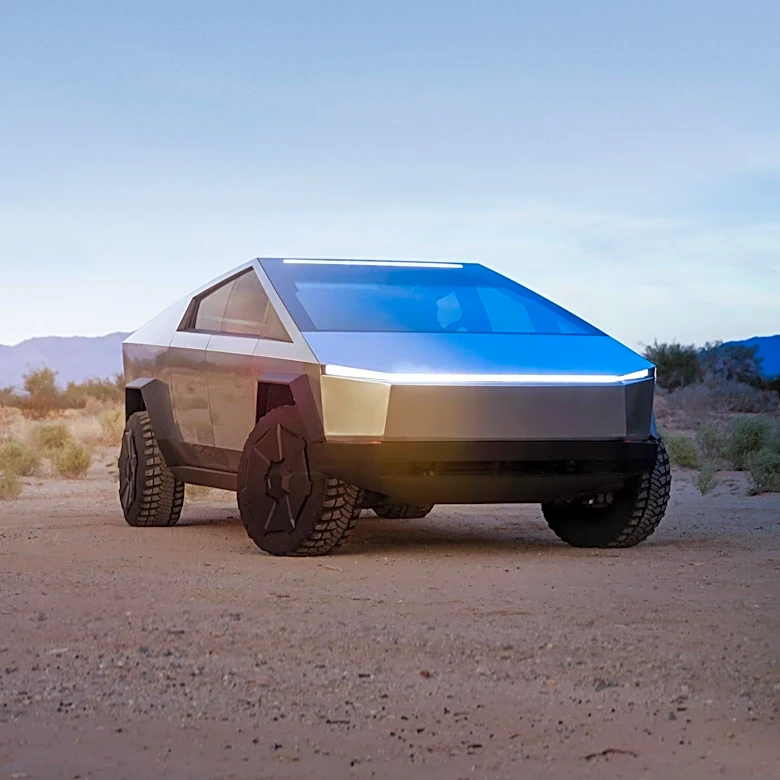
end entirely or be relocated. Wes Morrill, the Cybertruck’s lead engineer, suggested the model served as an important technology development platform whose legacy would continue through the Cybercab program. Musk later indicated that the existing Cybertruck fleet would remain operational for an extended period. The Cybertruck, launched in 2023 after multiple delays, garnered significant attention for its angular design and stainless-steel body but also faced criticism regarding its appearance, pricing, and market performance. Its initial demonstration in 2019, where its supposedly unbreakable glass shattered, drew considerable notice. Despite early interest, translating that into sustained sales proved challenging, and the vehicle experienced several recalls, including one in 2025 affecting over 46,000 vehicles due to a detachable exterior trim component. Pricing also presented a hurdle, with Musk acknowledging the need for affordability, setting the starting price around $61,000.
Why It's Important?
This strategic shift by Tesla underscores a significant reorientation of its production priorities towards autonomous mobility, with the Cybercab becoming a central focus. For the U.S. automotive industry, this move highlights the increasing emphasis on self-driving technology and potentially signals a broader trend among manufacturers to prioritize future-oriented, autonomous transport solutions over niche vehicle segments. The decision could impact suppliers and the workforce associated with Cybertruck production in Texas, potentially leading to retooling or retraining efforts for Cybercab manufacturing. Consumers who invested in the Cybertruck might face uncertainties regarding long-term support and resale value, although Musk's comments suggest continued operation for existing vehicles. This pivot also reflects Tesla's ongoing efforts to innovate and adapt its product lineup to evolving market demands and technological advancements, potentially positioning the company as a leader in the autonomous vehicle sector. The move could also influence investment trends in the electric vehicle market, directing more capital towards autonomous driving research and development.
What's Next?
The immediate next steps involve Tesla's preparations for the transition of its Texas factory from Cybertruck to Cybercab production, which will likely include retooling and reconfiguring manufacturing lines. Further clarification is expected from Tesla regarding the ultimate fate of Cybertruck manufacturing—whether it will be discontinued entirely or moved to another facility. This decision will have implications for the Cybertruck's supply chain and the broader electric vehicle market. Tesla's increased focus on Cybercab production suggests an accelerated timeline for the deployment of its autonomous ride-hailing services, which could significantly disrupt traditional transportation models. Competitors in the automotive and technology sectors will closely monitor Tesla's progress in autonomous vehicle development and deployment, potentially influencing their own strategic investments and product roadmaps. Regulatory bodies will also likely pay closer attention to the safety and operational aspects of widespread autonomous vehicle deployment as Tesla scales up its Cybercab initiative.
Beyond the Headlines
This development reflects a deeper strategic play by Tesla to solidify its position as a leader in future mobility solutions, moving beyond traditional vehicle sales to embrace a service-oriented model centered on autonomous transportation. The Cybertruck, despite its innovative design and initial hype, may be viewed in retrospect as a transitional product that helped Tesla refine its manufacturing processes and material science, paving the way for more advanced projects like the Cybercab. This shift also raises questions about the long-term viability of niche, high-concept vehicles in a market increasingly driven by efficiency, autonomy, and shared mobility. Ethically, the widespread deployment of autonomous Cybercabs will bring forth new challenges related to liability, data privacy, and the impact on human employment in the transportation sector. Culturally, it could accelerate the public's acceptance and reliance on self-driving technology, fundamentally altering urban planning and personal transportation habits. The move underscores a broader industry trend where technology companies are increasingly blurring the lines with traditional manufacturing, prioritizing software and AI-driven services over hardware alone.