






What's Happening?
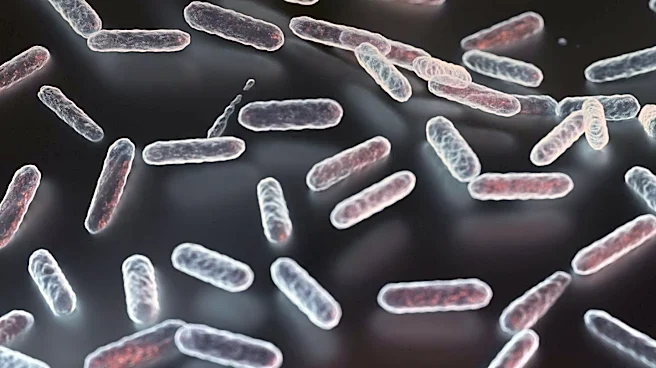
Faecalibacterium prausnitzii is a significant beneficial gut bacterium known for its role in producing butyrate, a short-chain fatty acid crucial for colon cell health and intestinal barrier support. To increase the presence of F. prausnitzii, a food-first
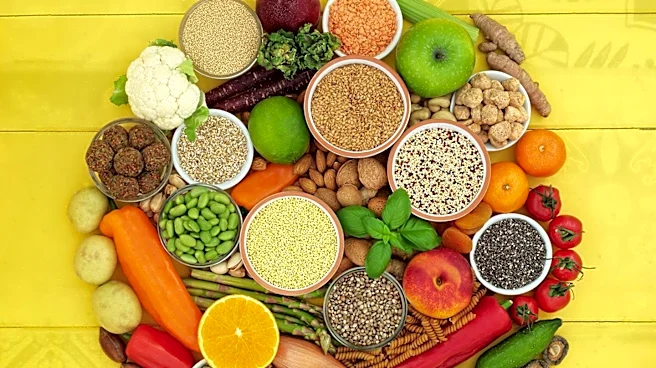
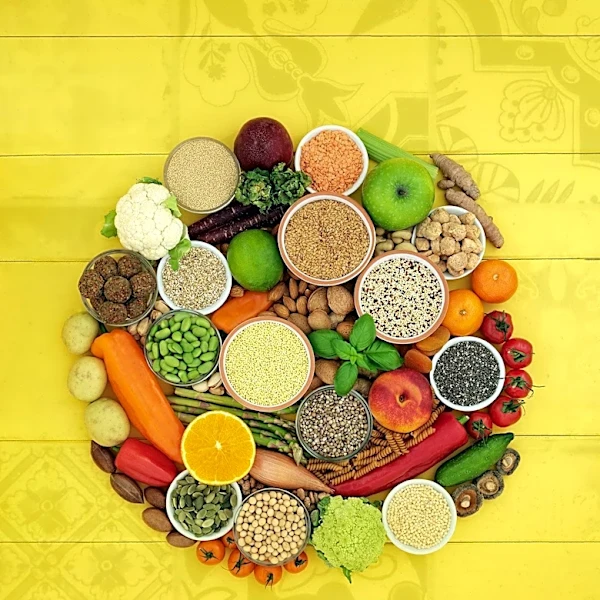
approach focusing on a steady, fiber-rich eating pattern is recommended. This involves gradually increasing the intake of diverse plant foods, resistant starches, and prebiotic fibers. Examples of prebiotic-rich foods include chicory root, onions, garlic, leeks, asparagus, oats, barley, apples, and green bananas. A varied diet that rotates different plant foods throughout the week helps provide a broader range of fibers for fermentation, supporting overall microbiome diversity. While supplements can play a supportive role, they are not considered the foundation of a gut health plan, and F. prausnitzii itself is difficult to formulate as a standard probiotic due to its oxygen sensitivity.
Why It's Important?
Supporting the growth of beneficial gut bacteria like Faecalibacterium prausnitzii is vital for maintaining intestinal health and overall well-being. Butyrate, produced by this bacterium, is a primary energy source for colon cells and helps maintain the integrity of the gut lining, which is critical for preventing inflammation and supporting immune function. For individuals, understanding how to naturally increase F. prausnitzii through diet offers a practical and accessible way to improve gut health. This knowledge empowers consumers to make informed food choices that can positively impact their digestive system, potentially mitigating issues related to gut dysbiosis. The emphasis on whole foods over supplements also promotes a more sustainable and holistic approach to health, encouraging dietary diversity and long-term healthy eating habits.
What's Next?
Continued research into the specific dietary components that best support Faecalibacterium prausnitzii and other beneficial gut bacteria will likely lead to more refined dietary guidelines. There may be an increased focus on personalized nutrition, where dietary recommendations are tailored based on an individual's gut microbiome profile, potentially identified through microbiome testing. As public awareness of gut health grows, there could be a greater demand for food products that are specifically designed to enhance beneficial gut flora. Healthcare providers may increasingly integrate detailed dietary counseling on prebiotic-rich foods into their patient care plans, especially for those with digestive or inflammatory conditions. The development of more stable and effective ways to deliver F. prausnitzii as a therapeutic agent could also emerge, though dietary interventions are expected to remain foundational.
Beyond the Headlines
The focus on increasing specific beneficial bacteria like Faecalibacterium prausnitzii through diet highlights a paradigm shift in nutritional science, moving from general dietary advice to targeted microbiome modulation. This approach underscores the intricate relationship between diet, gut microbiota, and human health, suggesting that food acts not just as fuel but as a powerful modulator of our internal ecosystem. Ethically, this raises questions about the accessibility of diverse, fiber-rich foods for all populations and the potential for dietary inequalities to impact gut health. Legally, it could influence regulations around health claims for foods and supplements that purport to support specific gut bacteria. Culturally, there's a growing appreciation for traditional diets rich in plant fibers and fermented foods, as scientific evidence increasingly validates their health benefits, potentially leading to a resurgence of interest in these culinary practices.