







What's Happening?
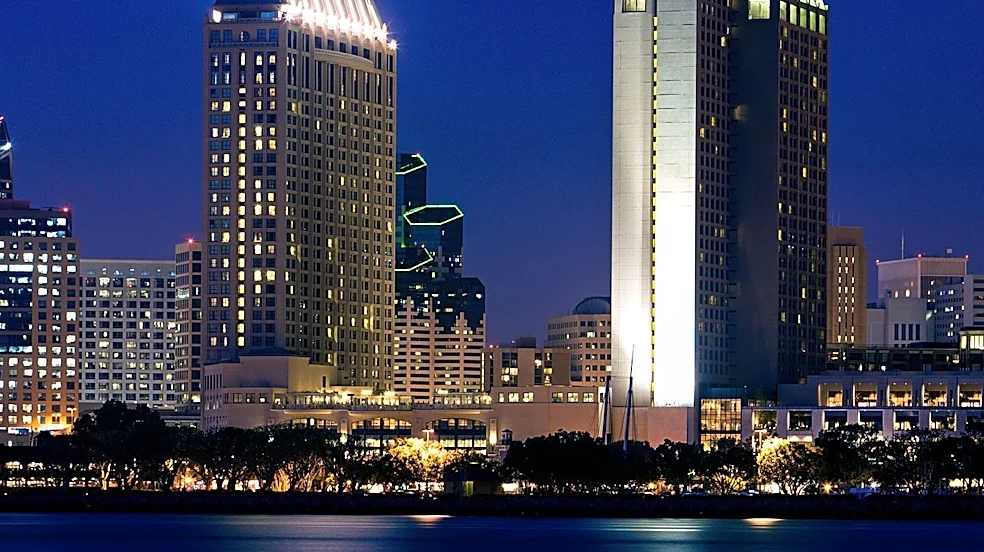
Manchester Financial Group has committed to making housing a "major part" of its proposed redevelopment project on Navy-owned land near Old Town San Diego. This pledge comes after several San Diego politicians expressed concerns, having envisioned significant
housing and mixed-use developments on the site, rather than the large-scale data center Manchester Financial Group had been quietly pitching. Ted Eldredge, CEO of Manchester Financial Group, stated that the project could include "thousands of multi-family homes for San Diegans." The proposed development encompasses two plots of land, approximately 47 acres and 22 acres, with the data center potentially located on the smaller parcel. The company emphasizes that housing is crucial for the project's feasibility and is essential to address the region's housing crisis. The exact number of housing units is still to be determined as the project evolves.
Why It's Important?
This development is significant for San Diego's ongoing housing crisis, as the inclusion of thousands of new homes could help alleviate the severe shortage and high costs of living in the region. The commitment from Manchester Financial Group to prioritize housing addresses a key concern raised by local politicians and community advocates, aligning the project more closely with the city's broader development goals. The integration of housing with a potential data center also represents a mixed-use approach that could create a more vibrant and economically diverse area. This project could serve as a model for future public-private partnerships in urban redevelopment, demonstrating how large-scale projects can balance economic interests with critical community needs like affordable housing. The outcome will influence future land use decisions and the balance between commercial and residential development in San Diego.
What's Next?
The next steps will involve Manchester Financial Group working with city officials and stakeholders to finalize the project's scope, including the specific number and type of housing units, as well as the integration of the data center and other potential mixed-use elements. Public review and approval processes will follow, which may involve community meetings and environmental impact assessments. The company will need to present detailed plans that satisfy both economic viability and community needs. Political leaders and housing advocates will likely monitor the progress closely to ensure the housing commitments are met. The project's timeline and potential groundbreaking will depend on the speed of these approvals and the resolution of any remaining concerns from various stakeholders.
Beyond the Headlines
Beyond the immediate housing and economic implications, this project highlights the complex interplay between private development interests, public policy, and community needs in rapidly growing urban centers. The initial push for a data center versus the political and public desire for housing underscores the ongoing tension in urban planning regarding land use priorities. It also reflects the increasing demand for both digital infrastructure (data centers) and residential solutions in modern cities. The eventual design and implementation of this project could set precedents for how San Diego, and other cities, approach large-scale redevelopment of underutilized public lands, particularly those with military ties. It also touches on the broader ethical question of how private developers can contribute to public good, especially in addressing critical social issues like housing affordability, while pursuing their business objectives.