


What's Happening?
Chloé Malle, Vogue’s head of editorial content, has reportedly questioned the value of a controversial Vanity Fair profile on Taylor Swift. Sources suggest Malle felt the article offered little meaningful substance and was unnecessary. This internal questioning
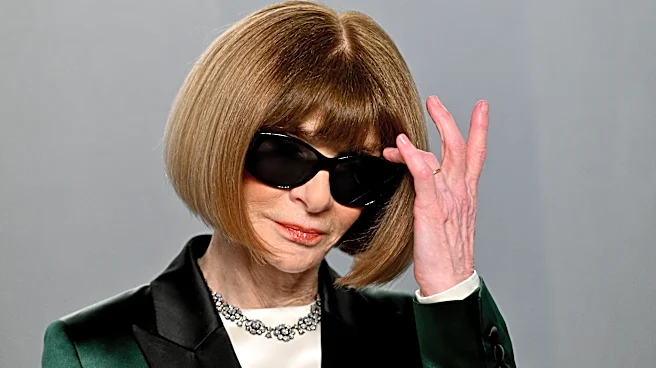
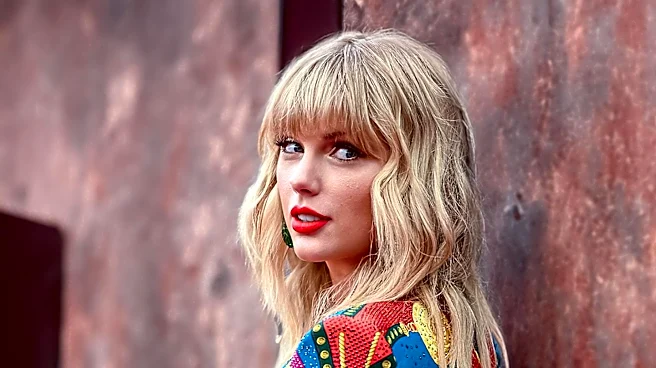
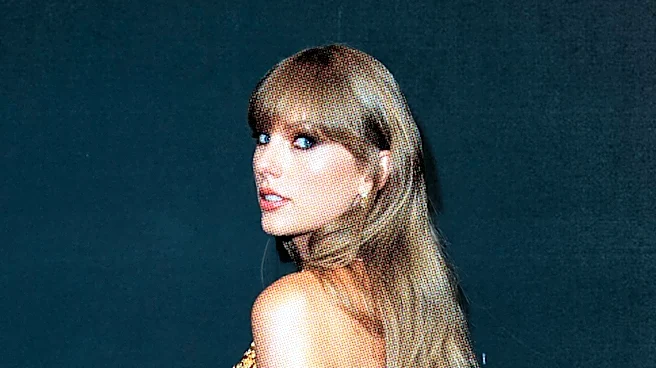
comes amidst broader tensions across Condé Nast regarding the decision to publish the critical feature, titled 'The Mastermind.' The article has generated considerable attention and debate, with reports indicating that even employees at Vogue were confused by the editorial decision. Anna Wintour, a highly influential figure in fashion publishing, is reportedly avoiding involvement in the dispute, preferring to distance herself from the growing controversy. The situation is seen as potentially problematic for Vogue, given Swift's long-standing relationship with the publication, including multiple magazine covers and associations with the Met Gala.
Why It's Important?
This internal dissent within Condé Nast highlights potential rifts in editorial strategy and celebrity relations within major publishing houses. The questioning of the article's substance by a senior Vogue editor like Chloé Malle suggests a concern for journalistic integrity and the potential impact on long-term relationships with high-profile figures like Taylor Swift. Such disputes can affect future access to celebrities, which is crucial for fashion and entertainment publications. The controversy also underscores the delicate balance between generating buzz through provocative content and maintaining positive relationships with influential personalities. For Condé Nast, a damaged relationship with Swift could lead to missed opportunities for exclusive content and collaborations, potentially impacting readership and advertising revenue. The situation also raises questions about editorial oversight and the potential for internal disagreements to spill over into public perception.
What's Next?
The ongoing controversy surrounding the Taylor Swift profile could lead to further internal discussions within Condé Nast regarding editorial guidelines and celebrity engagement strategies. While Vanity Fair editorial director Mark Guiducci is reportedly satisfied with the attention the article generated, the concerns raised by figures like Chloé Malle may prompt a re-evaluation of how such high-profile features are conceived and executed. The long-term impact on Condé Nast's relationship with Taylor Swift remains to be seen; it could either be repaired through future collaborations or lead to a more strained dynamic. The situation may also influence how other celebrities perceive working with Condé Nast publications, potentially affecting future access and exclusive content opportunities across the company's portfolio.
Beyond the Headlines
The controversy extends beyond a single article, touching upon broader themes of media ethics, celebrity power, and the evolving landscape of digital journalism. The internal questioning of the article's 'meaningful substance' by a senior editor like Chloé Malle points to a deeper debate about the purpose and impact of celebrity profiles in an era dominated by social media and direct artist-fan communication. It also highlights the tension between traditional journalistic scrutiny and the commercial imperative to maintain positive relationships with influential figures. The incident could serve as a case study for media organizations on navigating the complexities of celebrity journalism, particularly when critical coverage risks alienating powerful individuals and their fan bases. This situation may also prompt a re-examination of editorial independence versus corporate interests within large media conglomerates.