



What's Happening?
Former ESPN 'SportsCenter' host Linda Cohn has voiced strong criticism regarding ESPN's extensive promotion and airtime given to Pat McAfee. On her self-titled podcast, Cohn stated that while she admires McAfee's accomplishments, she believes ESPN is overexposing
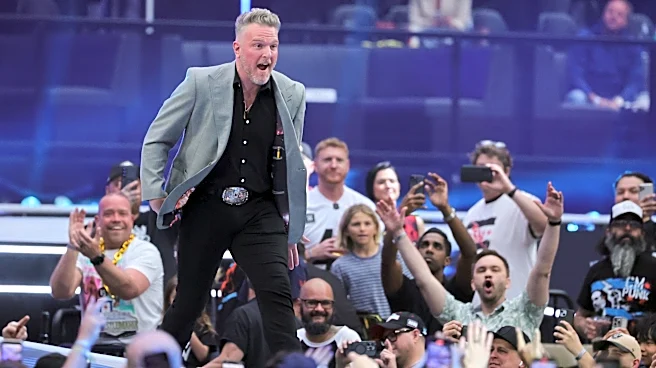
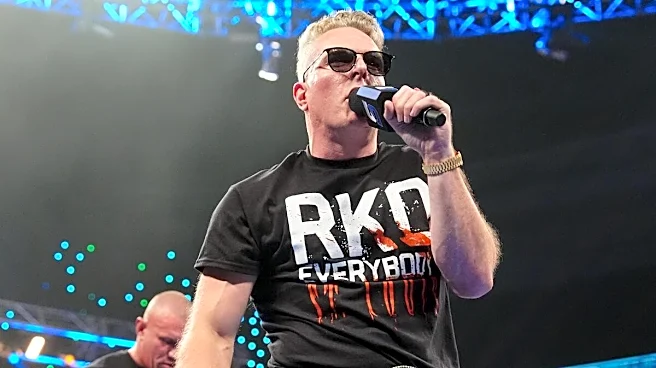
him to viewers. She questioned the network's strategy, asking, 'How much Pat McAfee is enough Pat McAfee?! The answer apparently was more.' Cohn highlighted McAfee's expanded role, which includes his daily show, 'The Pat McAfee Show,' 'Monday Night Countdown,' and an alternate broadcast for 'Monday Night Football.' This schedule could lead to wall-to-wall McAfee content on Mondays during the NFL season, in addition to his work on 'College GameDay.' Cohn suggested that viewers might be experiencing 'McAfee fatigue,' indicating that while they may like him, they don't need him constantly present across all programming. She also cited an incident where a tribute to late ESPN founder Bill Rasmussen was cut short for McAfee's show, leading to further discussion about McAfee.
Why It's Important?
Linda Cohn's critique is significant as it comes from a long-tenured figure within ESPN, offering an insider's perspective on the network's programming decisions and potential audience reception. Her comments highlight a broader concern about talent overexposure in sports media, where networks heavily invest in and promote certain personalities. This strategy, while aiming to leverage popular figures, risks alienating segments of the audience who may find the constant presence of one individual overwhelming. For ESPN, this feedback could signal potential viewer fatigue, which might impact viewership numbers and audience engagement in the long run. The incident involving the shortened tribute to Bill Rasmussen also raises questions about programming priorities and how the network balances honoring its history with promoting current talent. Cohn's remarks could prompt discussions within ESPN about its talent management and content scheduling strategies, especially concerning high-profile personalities like Pat McAfee.
What's Next?
It remains to be seen how ESPN will respond to Linda Cohn's public criticism, if at all. The network may continue with its current strategy, believing that Pat McAfee's popularity outweighs concerns about overexposure. However, if viewer feedback aligns with Cohn's sentiments, ESPN might subtly adjust McAfee's on-air presence or diversify its talent promotion efforts. The upcoming NFL season will be a key period to observe audience reception to McAfee's expanded roles across multiple shows. Social media sentiment and viewership data for programs featuring McAfee will likely be monitored closely by ESPN executives. Other sports media personalities and former ESPN employees might also weigh in on the debate, potentially amplifying the discussion about talent saturation in sports broadcasting. This situation could also influence how other sports networks approach their own talent development and scheduling, as they observe the outcomes of ESPN's strategy.
Beyond the Headlines
Linda Cohn's comments touch upon a deeper trend in modern media: the cultivation of 'star' personalities and the potential pitfalls of relying too heavily on them. In an increasingly fragmented media landscape, networks often seek to create strong brand identities around specific individuals to attract and retain viewers. However, this approach carries the risk of 'personality fatigue,' where the audience grows tired of a particular figure, regardless of their talent. This situation also highlights the evolving relationship between traditional sports broadcasting and new media personalities, as McAfee's rise stems from a blend of conventional and digital platforms. The incident with the Rasmussen tribute also brings to light the tension between commercial interests and institutional respect within large media organizations. Ultimately, Cohn's critique serves as a reminder that while individual talent is crucial, balance and audience perception remain vital for sustained success in the competitive world of sports media.