




What's Happening?
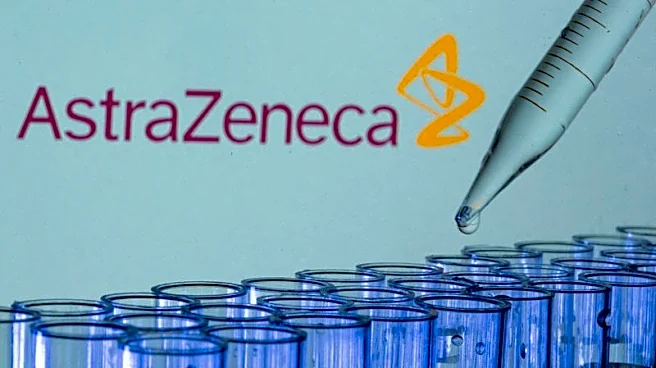
AstraZeneca and Bristol Myers Squibb have denied any merger discussions, according to a senior source. This statement comes after reports suggested preliminary talks between the two pharmaceutical giants, which could have led to a $400 billion merger.
The Financial Times initially reported the potential merger, but Reuters could not confirm ongoing discussions. The denial of talks has impacted the stock market, with AstraZeneca shares dropping by 9% and Bristol Myers Squibb shares experiencing minimal movement. Analysts have questioned the strategic rationale behind such a merger, citing potential antitrust scrutiny due to significant overlap in oncology. AstraZeneca's oncology franchise generated $25 billion last year, while Bristol Myers Squibb's cancer drugs accounted for over 40% of its sales in the first half of 2026.
Why It's Important?
The denial of merger talks between AstraZeneca and Bristol Myers Squibb is significant due to the potential impact on the pharmaceutical industry. A merger of this magnitude would have created one of the largest pharmaceutical companies globally, potentially reshaping the competitive landscape. The overlap in oncology could have led to antitrust issues, affecting market dynamics and competition. Both companies are major players in the oncology sector, and a merger could have influenced drug pricing, research and development priorities, and market share distribution. The denial also highlights the sensitivity of market reactions to merger speculations, as seen in the stock price fluctuations.