



What's Happening?
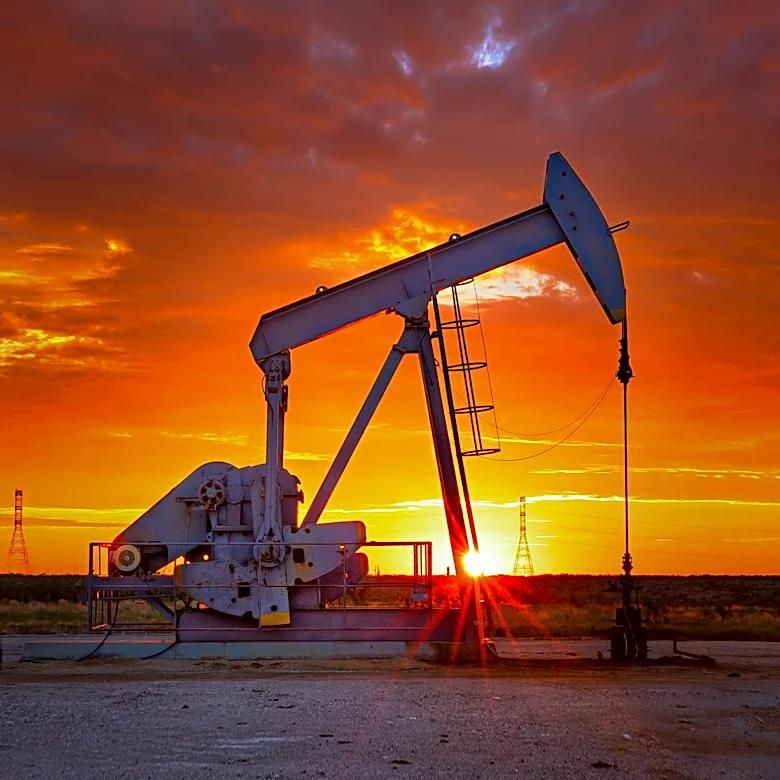
The Permian Basin, a major U.S. oil-producing region, has been experiencing a significant natural gas glut due to insufficient pipeline capacity. This has led to negative regional gas prices, with producers often flaring excess gas or paying to dispose
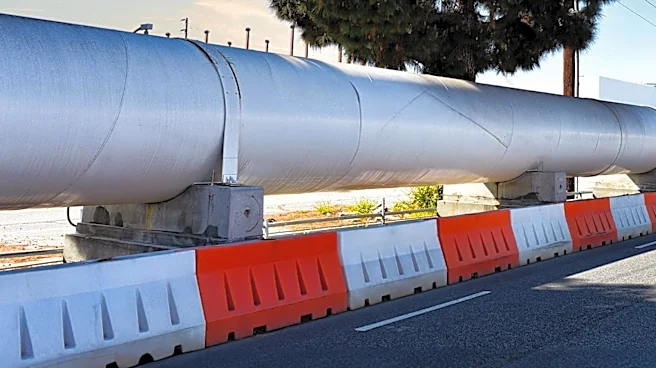
of it. The Waha hub, a key pricing benchmark, saw prices average -$2.19 per MMBtu in early 2026, hitting a low of -$7.95 in April. However, the situation is improving with the expansion of the Gulf Coast Express Pipeline and the new Hugh Brinson Pipeline, which have started operations, turning Waha prices positive. These pipelines are designed to transport gas from the Permian to East Texas and Gulf Coast markets, including LNG export facilities. Despite these developments, full capacity won't be reached until March 2027, and constraints may persist if oil drilling increases due to high oil prices.
Why It's Important?
The expansion of pipeline capacity is crucial for the Permian Basin, as it addresses the bottleneck that has kept natural gas prices depressed. This development is significant for U.S. energy markets, as it could stabilize gas prices and reduce flaring, which has environmental implications. The new pipelines also enhance the U.S.'s ability to export LNG, potentially increasing its influence in global energy markets. However, the ongoing geopolitical tensions, such as the Strait of Hormuz crisis, could impact oil prices and, consequently, drilling activities in the Permian, affecting the balance of gas production and pipeline capacity.
What's Next?
As new pipeline capacities come online, the Permian Basin's gas glut is expected to ease gradually. However, industry executives anticipate that full resolution of the constraints may not occur until 2027 or later. The situation will require careful monitoring of geopolitical developments and oil price trends, which could influence drilling activities and gas production levels. Additionally, further infrastructure investments may be needed to keep pace with production growth and prevent future bottlenecks.