


What's Happening?
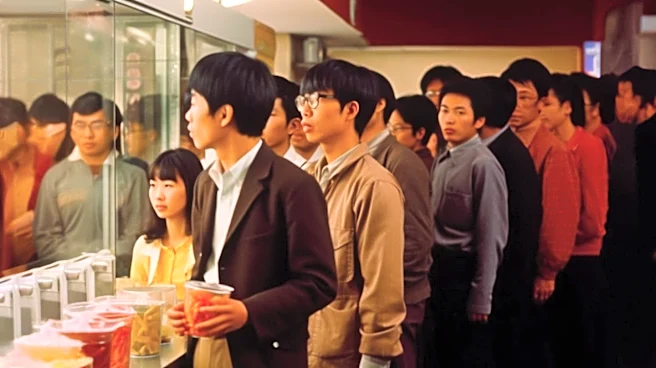
A recent article highlights the growing phenomenon of 'queue culture,' where individuals spend significant amounts of time waiting in lines for various goods and experiences. The piece argues that this culture has become excessive, with people often waiting for hours
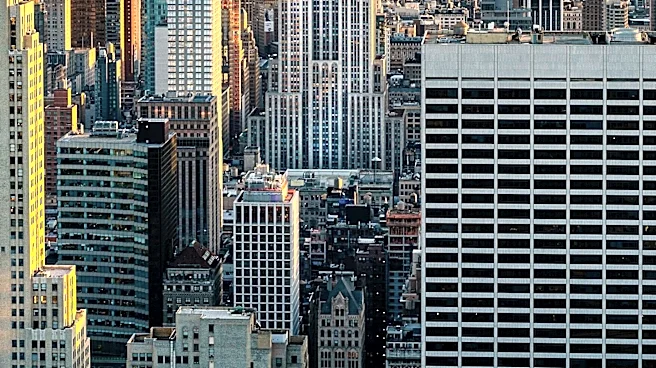
for items like new tech gadgets, limited edition products, or exclusive events. The article suggests that this trend is particularly prevalent in major cities like New York, where the demand for unique experiences and products is high. The author criticizes the notion that waiting in line is a democratic process, pointing out that those with resources can bypass queues through services like professional line sitters. The piece also touches on the psychological aspects of queue culture, such as fear of missing out (FOMO) and herd mentality, which contribute to the persistence of this trend.
Why It's Important?
The critique of queue culture raises questions about consumer behavior and societal values. It highlights how time, a valuable resource, is often spent in pursuit of material goods or experiences that may not provide lasting satisfaction. This trend reflects broader issues in consumer culture, where the desire for exclusivity and novelty can overshadow practical considerations. The article suggests that queue culture may exacerbate social inequalities, as those with financial means can avoid the inconvenience of waiting. Additionally, the emphasis on acquiring the latest products or experiences can contribute to environmental concerns, as it encourages a cycle of consumption and waste. Understanding these dynamics is crucial for addressing the societal and environmental impacts of consumerism.