







What's Happening?
Meggitt Avionics has introduced an updated version of its Secondary Flight Display (SFD) system, now called the integrated secondary flight display (iSFD). This new system is designed for use in both commercial and military fixed-wing and rotary-wing
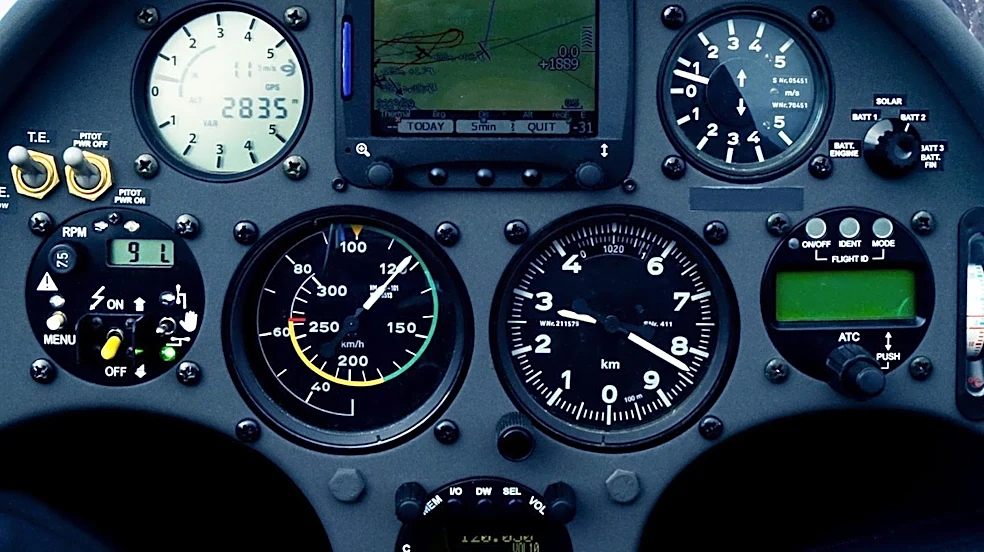
aircraft. The iSFD consolidates critical flight information, such as attitude, altitude, and airspeed, into a single 3-ATI-size display unit. This replaces two or three traditional electromechanical cockpit standby instruments. The display features an active matrix liquid crystal display (AMLCD) with an LED backlight, ensuring compatibility with other modern AMLCD primary flight displays. The system incorporates solid-state sensors and a microprocessor to measure aircraft pitch, bank attitudes, and air data. It can utilize an internal air data module (ADM) or receive digitally transmitted air data from an aircraft's multifunction probe (MFP) or air data computer (ADC). If digital magnetic heading data is available, the iSFD will also display the aircraft's magnetic heading. The system's compact size, with a 61 x 61 mm display area, and light weight, at 3.3 pounds, are intended to simplify installation in various aircraft.
Why It's Important?
The introduction of Meggitt Avionics' iSFD represents a significant advancement in aircraft cockpit technology, particularly for the U.S. aerospace and defense sectors. By integrating multiple instruments into a single display, the iSFD can reduce cockpit clutter, simplify pilot workload, and potentially enhance flight safety through a more streamlined presentation of critical data. The system's design for both commercial and military applications suggests a broad impact across different segments of the aviation industry, from passenger airlines to military operations. The absence of International Traffic in Arms Regulations (ITAR) components is crucial for U.S. manufacturers and operators, as it facilitates easier export and integration into international platforms, potentially boosting U.S. aerospace exports and technological influence globally. This technological upgrade could lead to more efficient aircraft operations, reduced maintenance complexity due to fewer individual components, and improved situational awareness for pilots, which are all vital for the continued growth and safety of U.S. air travel and defense capabilities.
What's Next?
The iSFD's design, which lacks International Traffic in Arms Regulations (ITAR) components, positions it for widespread adoption and export. This will likely lead to its integration into a broader range of aircraft globally, including those operated by U.S. allies and commercial airlines worldwide. The ease of export could open new markets for Meggitt Avionics and other U.S. aerospace suppliers, fostering international collaborations and potentially influencing global aviation standards for cockpit instrumentation. As more aircraft adopt integrated flight displays, there may be a push for further standardization and interoperability across different manufacturers and aircraft types. This could also drive further innovation in avionics, with companies developing even more advanced integrated systems that incorporate additional functionalities or leverage emerging technologies like augmented reality for pilot assistance. The reduced weight and simplified installation of the iSFD could also lead to cost savings for aircraft manufacturers and operators, potentially influencing future aircraft design and procurement decisions in both the U.S. and international markets.
Beyond the Headlines
The shift towards integrated flight displays like Meggitt Avionics' iSFD signifies a broader trend in aviation towards digitalization and automation, which has profound implications for pilot training and human-machine interaction. As cockpits become more digital, the skills required of pilots evolve, moving from interpreting multiple analog gauges to managing complex digital interfaces. This necessitates updated training protocols and a focus on cognitive load management to ensure pilots can effectively process and react to information presented on integrated displays. Furthermore, the increased reliance on software-driven systems raises questions about cybersecurity in avionics, as these systems become potential targets for malicious actors. The long-term impact could also include a re-evaluation of aircraft certification processes to accommodate the rapid pace of technological advancement in integrated systems. The ethical considerations of increasing automation and the potential for over-reliance on technology in critical flight situations will also become more prominent as these systems become standard.