



What's Happening?
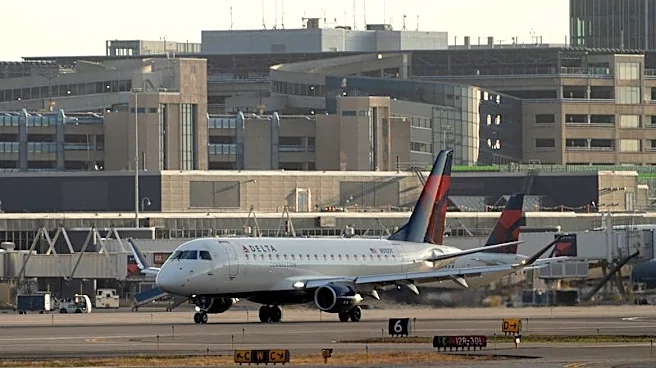
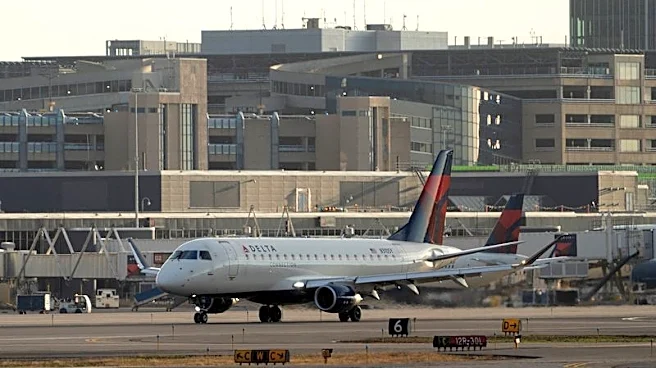
Delta Air Lines CEO Ed Bastian has publicly stated there is no personal feud between him and Elon Musk, despite Musk's criticisms following Delta's decision to choose Amazon's Project Kuiper (Leo) over SpaceX's Starlink for its next-generation in-flight
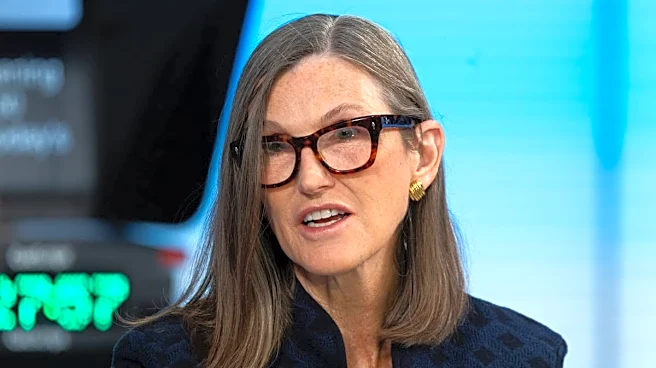
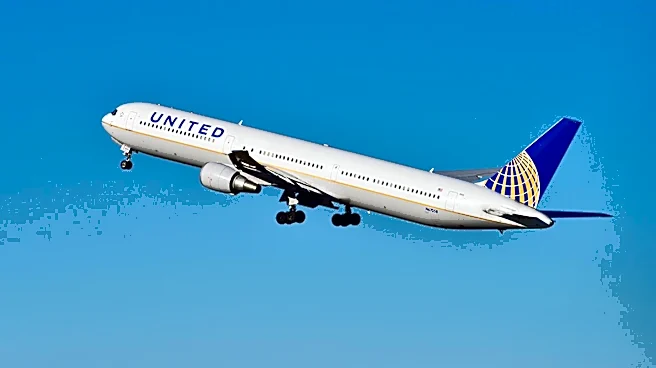
Wi-Fi. Speaking on CNBC, Bastian clarified that his decision was based on business considerations, not personal animosity. He expressed admiration for Starlink and revealed he drives a Tesla, aiming to dispel notions of a personal vendetta. Bastian explained that while Starlink's technology was 'fabulous,' SpaceX 'weren’t ready to scale when we were ready to go,' and there were 'disagreements on the business model in terms of access to the customer.' This comes after Musk predicted Bastian would lose his job over the decision, fueled by unconfirmed reports of Bastian making negative remarks about working with Musk to employees. Delta is currently the only one of the three largest U.S. carriers not to adopt Starlink, with American Airlines and United Airlines both integrating the service.
Why It's Important?
This development highlights the intense competition in the in-flight connectivity market and the strategic decisions airlines are making regarding passenger experience. Delta's choice of Amazon Leo over Starlink could significantly impact its competitive standing, especially as rivals like American and United move forward with Starlink installations. The dispute also underscores the growing influence of tech giants like Amazon and SpaceX in traditional industries. For Delta, securing a reliable and scalable Wi-Fi solution is crucial for customer satisfaction and loyalty, particularly among premium travelers. The differing business models, especially concerning customer access and data, are key factors influencing these high-stakes decisions. The public exchange between two prominent CEOs also draws attention to the broader implications of corporate partnerships and the potential for personal dynamics to be perceived as influencing major business choices.
What's Next?
Delta plans to begin installing Amazon Leo on 500 aircraft starting in 2028. In the interim, Bastian stated that customers on Delta's current Hughes and Viasat systems will see 'meaningful improvements' by the end of this year. This suggests Delta will focus on enhancing its existing services while awaiting the full rollout of Amazon Leo. Meanwhile, American Airlines is set to implement Starlink across its entire mainline fleet of over 1,030 aircraft starting in 2027, and United expects Starlink on its entire fleet by the end of 2027. This timeline means Delta will be behind its major competitors in offering Starlink-level connectivity for several years, potentially impacting customer perception and market share. The performance and reliability of Amazon Leo upon its deployment will be critical for Delta to justify its strategic choice and compete effectively.
Beyond the Headlines
The ongoing debate over in-flight Wi-Fi providers touches upon deeper themes of technological integration, customer data ownership, and corporate control over user experience. Musk's reported desire for Starlink to be recognized as the service provider, versus Delta's preference to integrate Wi-Fi seamlessly into its 'Delta Sync' loyalty program, illustrates a fundamental tension between tech providers and service operators. Airlines aim to maintain direct customer relationships and leverage connectivity to enhance their brand ecosystem, while tech companies seek broader market penetration and brand recognition. This dynamic could set precedents for how future partnerships between airlines and technology firms are structured, particularly concerning data sharing, branding, and customer interaction. The outcome of these strategic choices will likely influence industry standards for in-flight entertainment and connectivity for years to come.