






What's Happening?
Paychex, a provider of payroll and HR solutions, highlights the critical importance of clear, documented pay policies and internal procedures for businesses. Many small businesses operate with informal pay practices, which can lead to significant legal
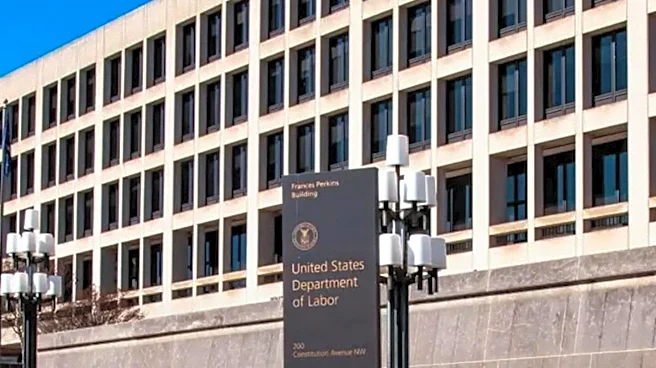
and financial repercussions. The U.S. Department of Labor’s Wage and Hour Division recovered over $259 million in back wages for nearly 177,000 workers in fiscal year 2025, with many cases stemming from unwritten practices that diverged from legal requirements. Key areas where practices often go wrong include undocumented pay schedules, vague cutoff times for timesheets, lack of error resolution processes, and incorrect employee classification. Paychex stresses that a written policy defines when employees are paid, how they record hours, their entitlements, and how to report errors, while internal procedures detail how managers, HR, and payroll implement these rules in compliance with the Fair Labor Standards Act (FLSA) and state/local wage laws.
Why It's Important?
The absence of clear pay policies poses substantial risks for U.S. businesses, particularly small and medium-sized enterprises. Without documented rules, companies are vulnerable to disputes, audits, and wage-hour claims, which can result in significant financial penalties. For instance, California imposes penalties of $100 per employee for a first violation of late wage payments, escalating to $200 plus 25% of withheld wages for subsequent or willful violations. Incorrect employee classification, especially regarding exempt versus nonexempt status, can lead to costly unpaid overtime claims. Furthermore, inconsistent pay decisions can erode employee trust, impact retention and recruiting efforts, and make it difficult to defend against legal challenges. A written policy provides legal protection, ensures consistent application of pay rules, and simplifies compliance with growing pay transparency laws in various states, thereby safeguarding businesses from financial liabilities and reputational damage.
What's Next?
Businesses are encouraged to review and formalize their pay policies and procedures to align with federal, state, and local wage laws. This includes establishing clear pay ranges, defining employee classification review criteria, maintaining a payroll calendar with approval deadlines, and specifying wage adjustment approval processes. Companies should also implement robust error resolution procedures and ensure managers are trained to consistently apply these policies. Regular review and updates of pay policies are crucial to adapt to evolving legal landscapes, such as new pay transparency requirements in states like California, Colorado, and New York. Proactive measures in documenting and communicating pay policies will help businesses avoid costly litigation, maintain employee trust, and ensure compliance.
Beyond the Headlines
The emphasis on documented pay policies reflects a broader trend towards increased scrutiny and regulation in labor practices across the U.S. The rise in wage-hour claims and the substantial back wages recovered by the Department of Labor underscore a systemic issue where informal practices, even if well-intentioned, can inadvertently violate complex labor laws. This development highlights the ethical imperative for businesses to ensure fair and transparent compensation practices. Beyond legal compliance, clear policies foster a culture of trust and predictability within an organization, which can significantly impact employee morale and productivity. The shift from 'unwritten practices' to 'clear, documented rules' represents a fundamental change in how businesses must approach human resources and payroll, moving towards greater accountability and standardization to protect both employers and employees.