




What's Happening?
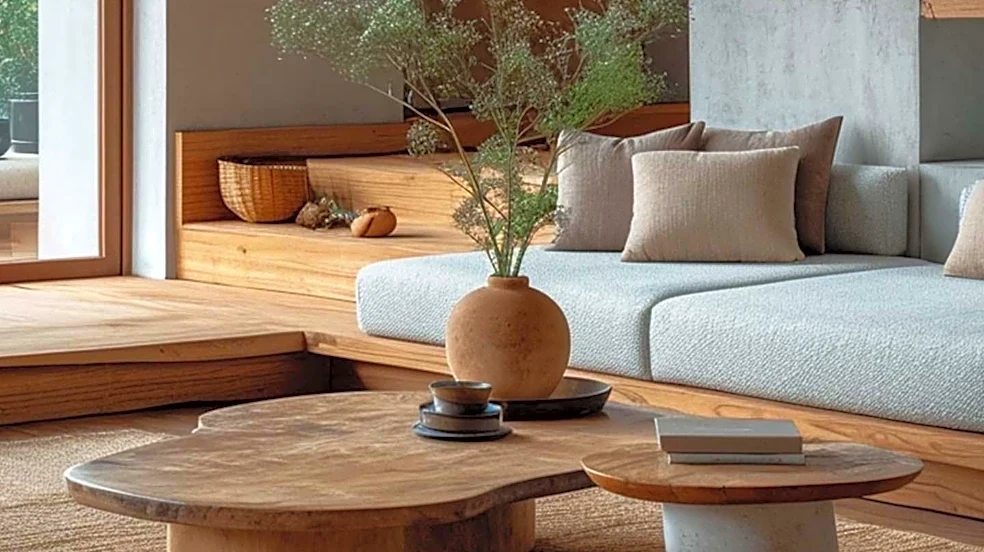
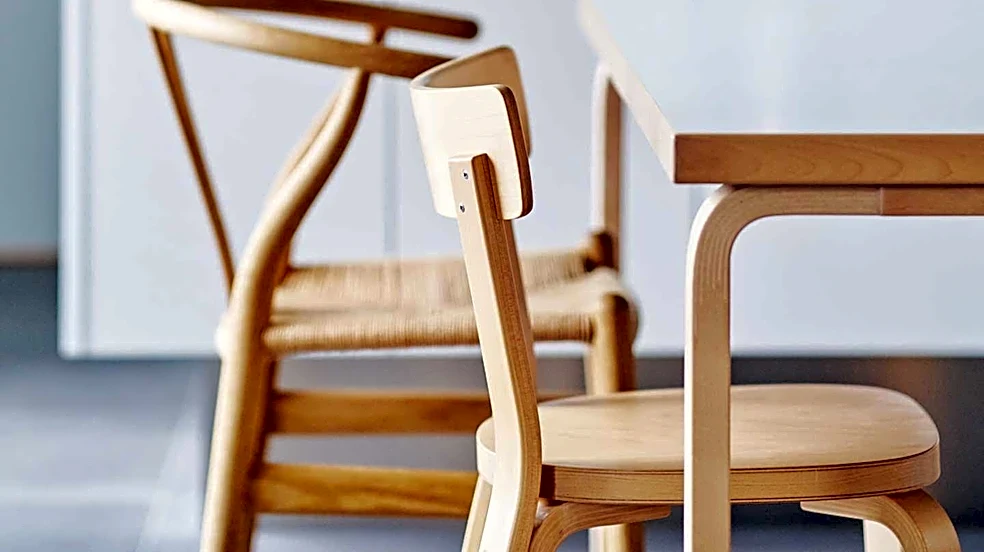
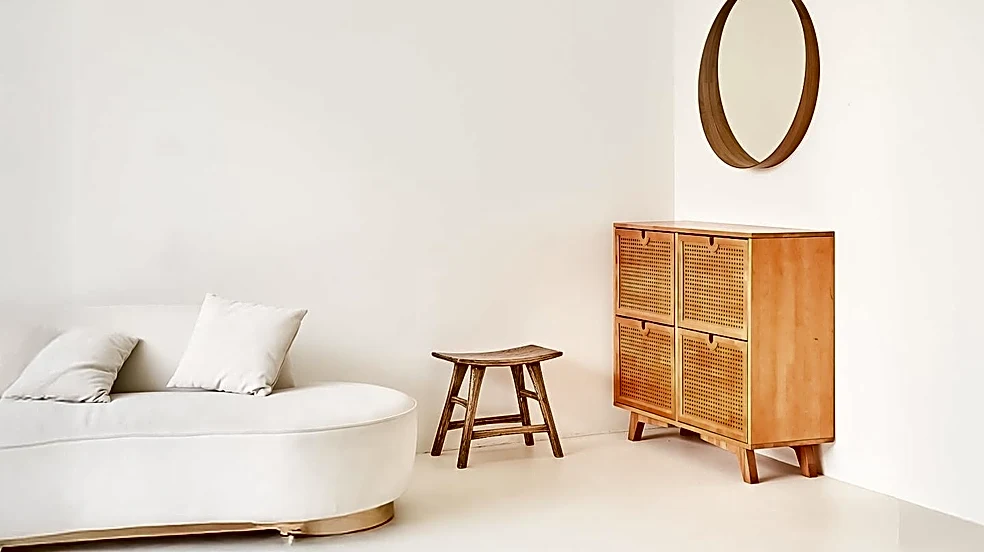
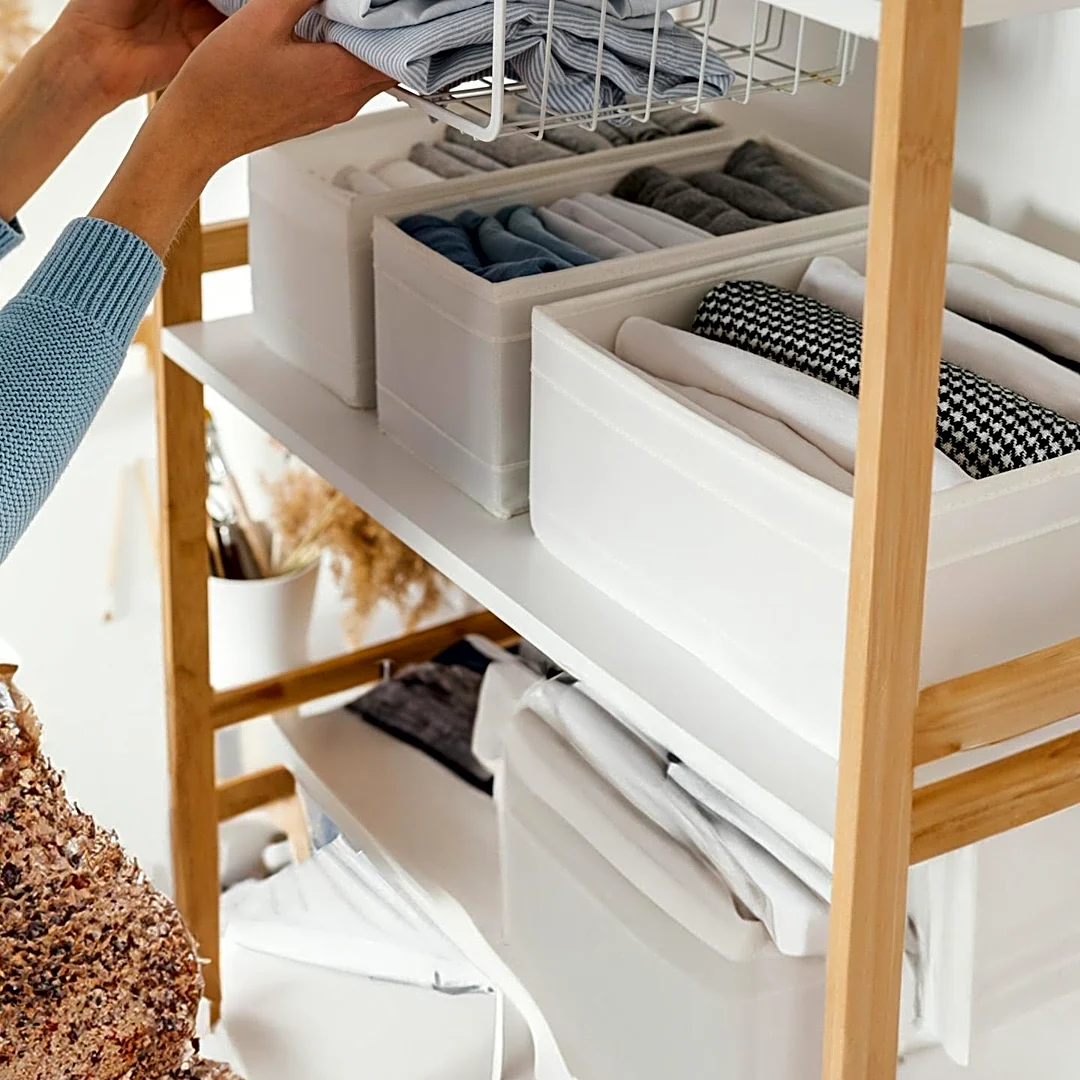
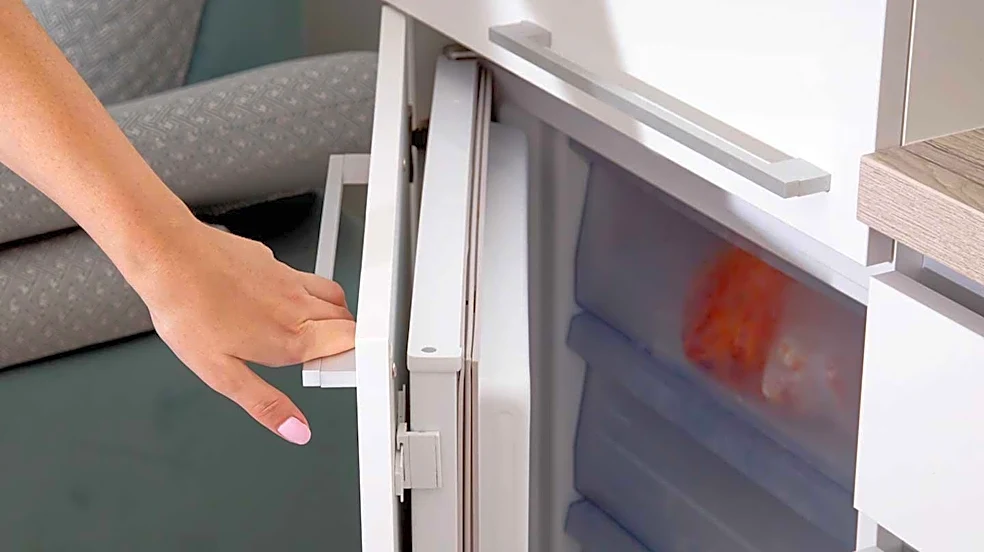
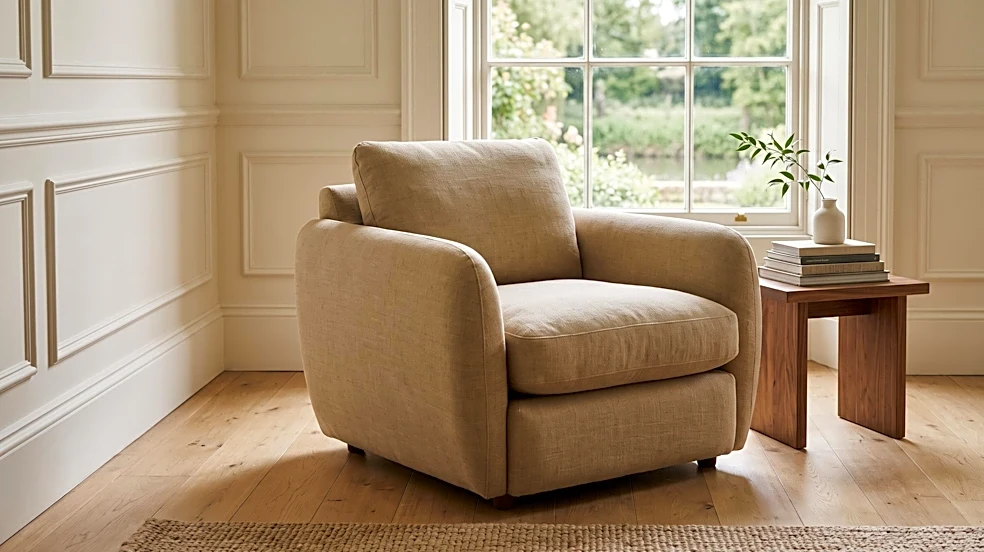
The trend of simplicity and minimalist living is gaining traction, focusing on creating clutter-free environments and incorporating warm, natural elements into interior design. This approach prioritizes functional furniture with clean silhouettes and ample
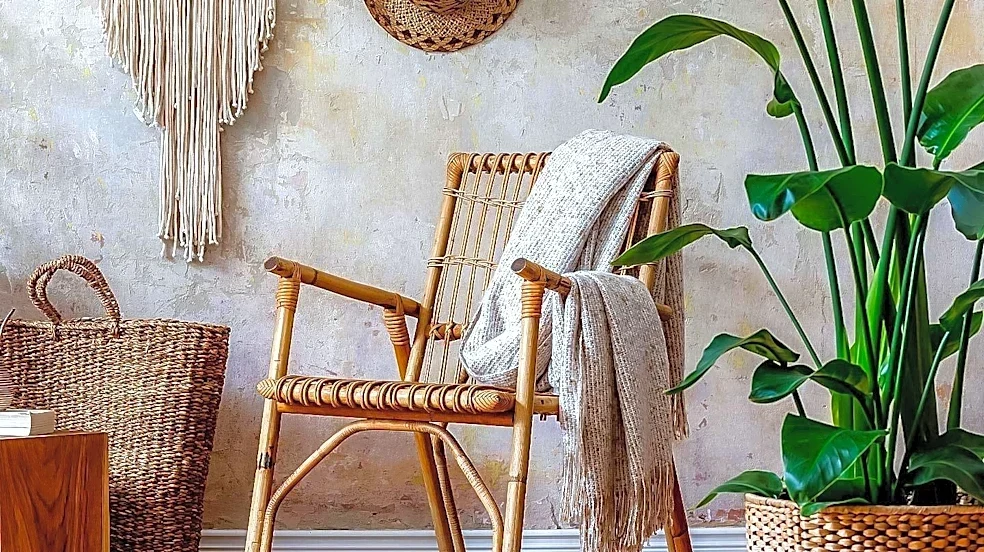
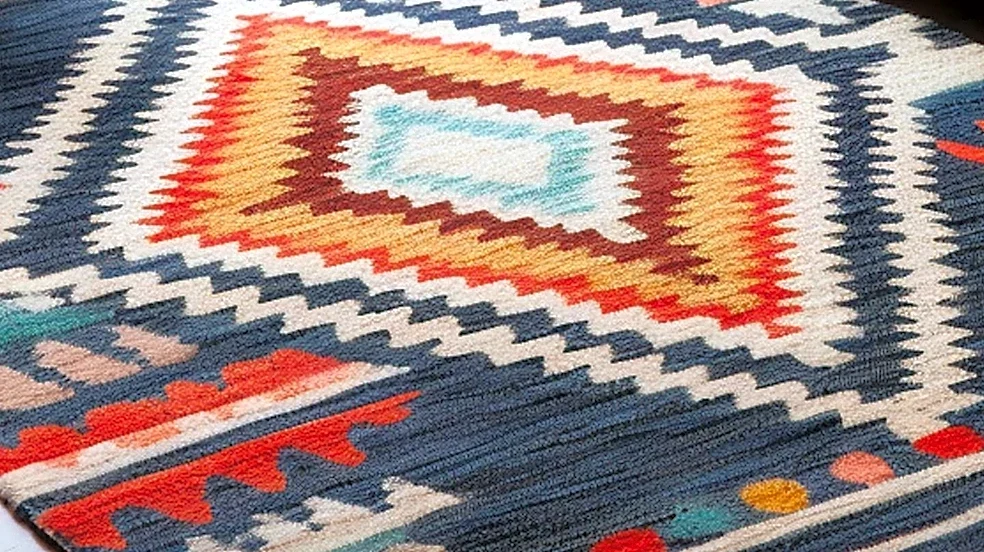
closed storage to maintain an uncluttered aesthetic. Open-concept floor plans are favored for their ability to enhance natural light and facilitate conversation flow between living, dining, and kitchen areas. The movement is also linked to informal living, which stresses comfort, reduces decision fatigue, and utilizes natural materials for their tactile warmth. Design elements frequently include textured materials, natural wood, and earth-toned color palettes in living spaces. The emphasis is on spatial reorganization to improve well-being and the integration of ergonomic furniture for enhanced support and comfort.
Why It's Important?
This trend reflects a broader societal shift towards intentional living and a desire to reduce consumerism and mental clutter. For U.S. industries, particularly in home furnishings, interior design, and real estate, this means a growing demand for products and services that align with minimalist principles. Furniture manufacturers may see increased sales of modular, multi-functional pieces and items made from sustainable, natural materials. Interior designers will need to adapt their offerings to focus on spatial efficiency, neutral palettes, and textured elements. Real estate developers might find that homes designed with open layouts and minimalist aesthetics appeal to a wider demographic seeking simplified living. Consumers stand to gain from reduced stress, improved well-being, and potentially more sustainable consumption habits, while businesses that fail to adapt to this preference for simplicity and functionality may see a decline in demand for more ornate or excessive products.
What's Next?
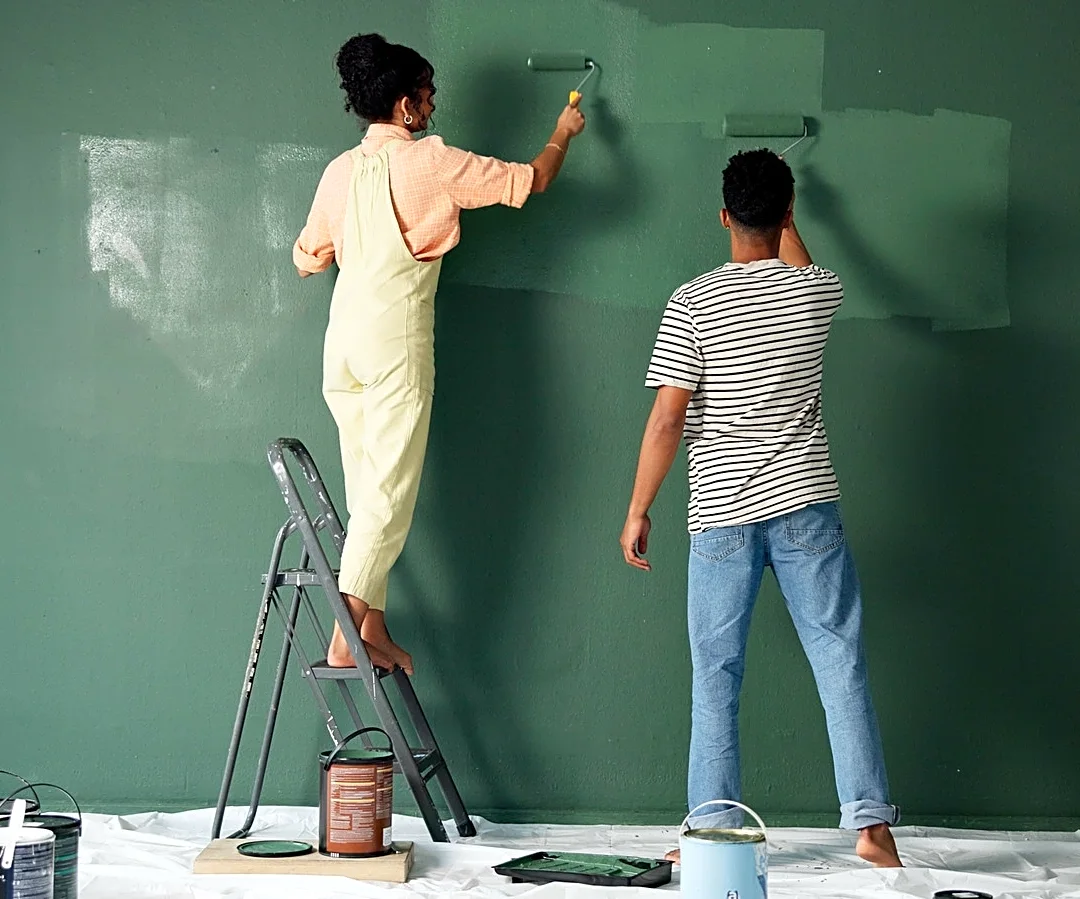
The minimalist living trend is expected to continue influencing consumer choices and industry practices. We may see further innovation in furniture design, with a greater emphasis on modularity, hidden storage, and sustainable production. Retailers are likely to curate collections that highlight natural materials, neutral color schemes, and functional designs. The real estate market could see an increase in demand for smaller, more efficiently designed homes and apartments that cater to minimalist lifestyles. Additionally, there may be a rise in services that help individuals declutter and organize their living spaces, reflecting a growing desire for professional assistance in achieving a minimalist home. This trend could also spur further discussions around sustainable consumption and the environmental impact of excessive material possessions.
Beyond the Headlines
Beyond the immediate aesthetic and market implications, the minimalist living trend touches upon deeper ethical and cultural dimensions. It challenges the prevailing consumer culture that often equates material possessions with success and happiness, encouraging a re-evaluation of what truly adds value to one's life. Ethically, it promotes sustainability by advocating for fewer, higher-quality items and reducing waste. Culturally, it reflects a growing desire for simplicity and mindfulness in an increasingly complex and fast-paced world. This shift could lead to long-term changes in how Americans perceive home, ownership, and personal well-being, potentially fostering a society that values experiences and relationships over material accumulation. It also highlights the psychological benefits of decluttering, linking physical space organization to mental clarity and reduced stress.