

What's Happening?
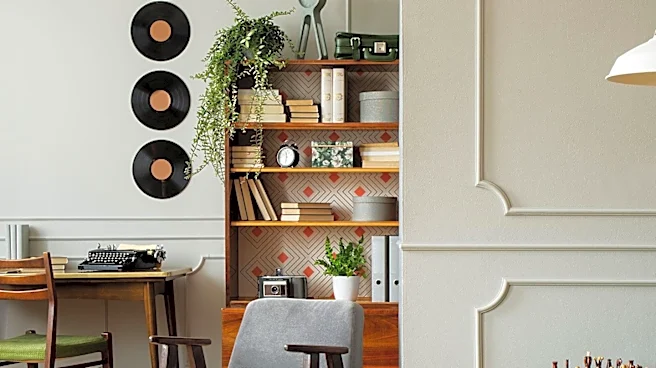
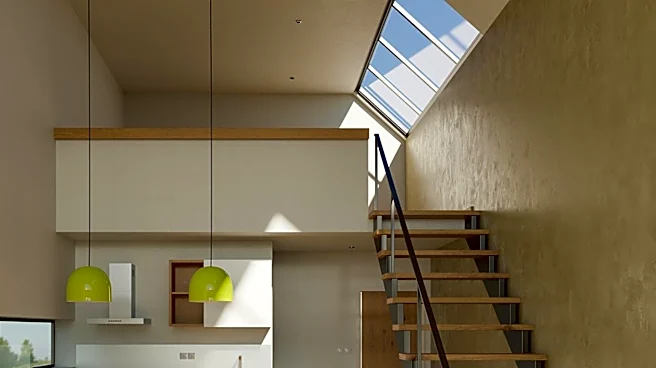
The minimalist living trend in the U.S. is undergoing a significant evolution, moving away from stark, cold aesthetics towards warmer, more layered, and personalized designs. This shift is evident in interior design, where neutral color schemes are now
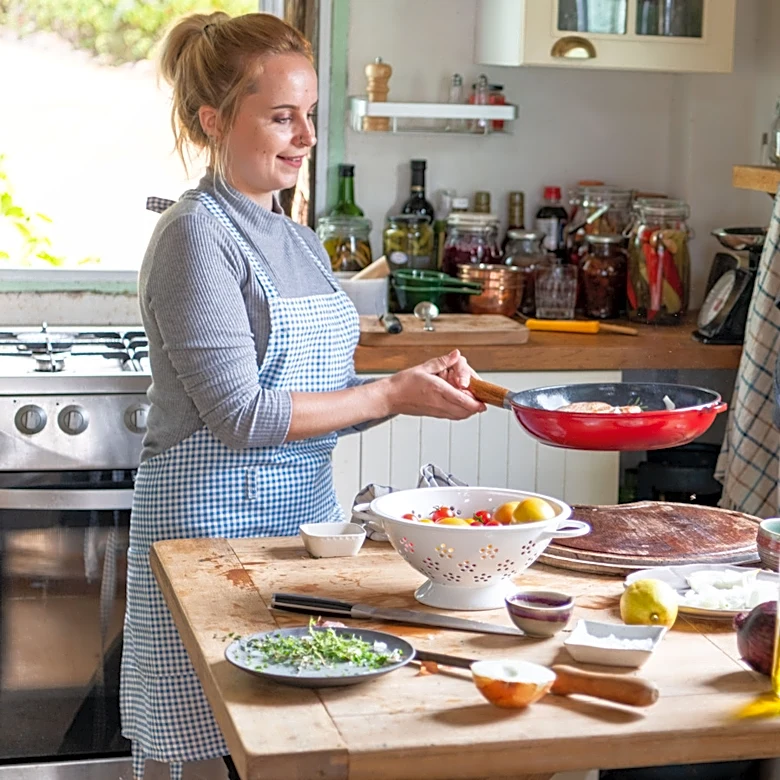
being combined with simple silhouettes and added personality. Celebrity homes, such as those of Kim Kardashian, Anne Hathaway, and Jennifer Garner, are showcasing this updated approach to minimalism, demonstrating how it can be both elegant and functional. For instance, Kim Kardashian's Hidden Hills compound, designed with Belgian art dealer Axel Vervoordt, exemplifies a 'minimalist monastery' aesthetic, focusing on architecture over excessive furnishings. Anne Hathaway's former Manhattan penthouse maintained Georgian architectural integrity while incorporating a contemporary, inviting minimalist style. Jennifer Garner's Brentwood farmhouse blends minimalism with farmhouse design, creating a warm yet pared-back kitchen. This trend emphasizes quality and longevity in design choices, proving that minimalism can be dynamic and expressive rather than restrictive.
Why It's Important?
This evolving minimalist trend holds significant importance for the U.S. interior design and home furnishings industries. The move towards 'warmer' and 'layered' minimalism suggests a demand for products that offer texture, subtle patterns, and natural materials, potentially boosting sectors involved in sustainable and artisanal home goods. Consumers are increasingly seeking timeless pieces that integrate personality and comfort, which could lead to a shift in manufacturing and retail strategies, prioritizing durability and aesthetic versatility over fast-changing fads. For homeowners, this trend offers a pathway to create serene and functional living spaces that reflect individual style without sacrificing the core principles of minimalism. The influence of celebrities further amplifies this trend, as their design choices often set benchmarks for broader consumer preferences, driving market demand for specific aesthetics and products. This evolution also highlights a growing appreciation for thoughtful design and investment in quality home environments.
What's Next?
Looking ahead, the U.S. interior design market is likely to see an increased focus on integrating natural elements, sustainable materials, and personalized touches within minimalist frameworks. Designers and retailers may introduce more collections that blend Japanese minimalism with Scandinavian functionality, known as 'Japandi' design, which emphasizes natural materials and serene color palettes. There will likely be a continued emphasis on versatile and multi-functional furniture pieces that contribute to a clutter-free yet inviting atmosphere. We can expect to see more collaborations between designers and brands to offer curated collections that cater to this refined minimalist aesthetic. Educational content and design resources will also likely emerge, guiding consumers on how to achieve this warmer, layered minimalist look in their own homes, moving beyond the previously perceived austerity of the style.
Beyond the Headlines
The shift in minimalist living reflects broader societal values emerging in the U.S., particularly a desire for intentionality, well-being, and a reduction of consumerism. Beyond aesthetics, this trend suggests a deeper psychological need for calm and order in an increasingly complex world. The emphasis on quality over quantity and the integration of personal expression within a minimalist framework can be seen as a rejection of disposable culture and a move towards more sustainable and mindful living practices. This evolution also touches upon the concept of 'slow living,' where individuals prioritize experiences and meaningful possessions over material accumulation. The influence of celebrity homes in popularizing this trend underscores the power of cultural figures in shaping lifestyle choices, potentially encouraging a more conscious approach to home design and consumption across various demographics.